$31.96
$46.34
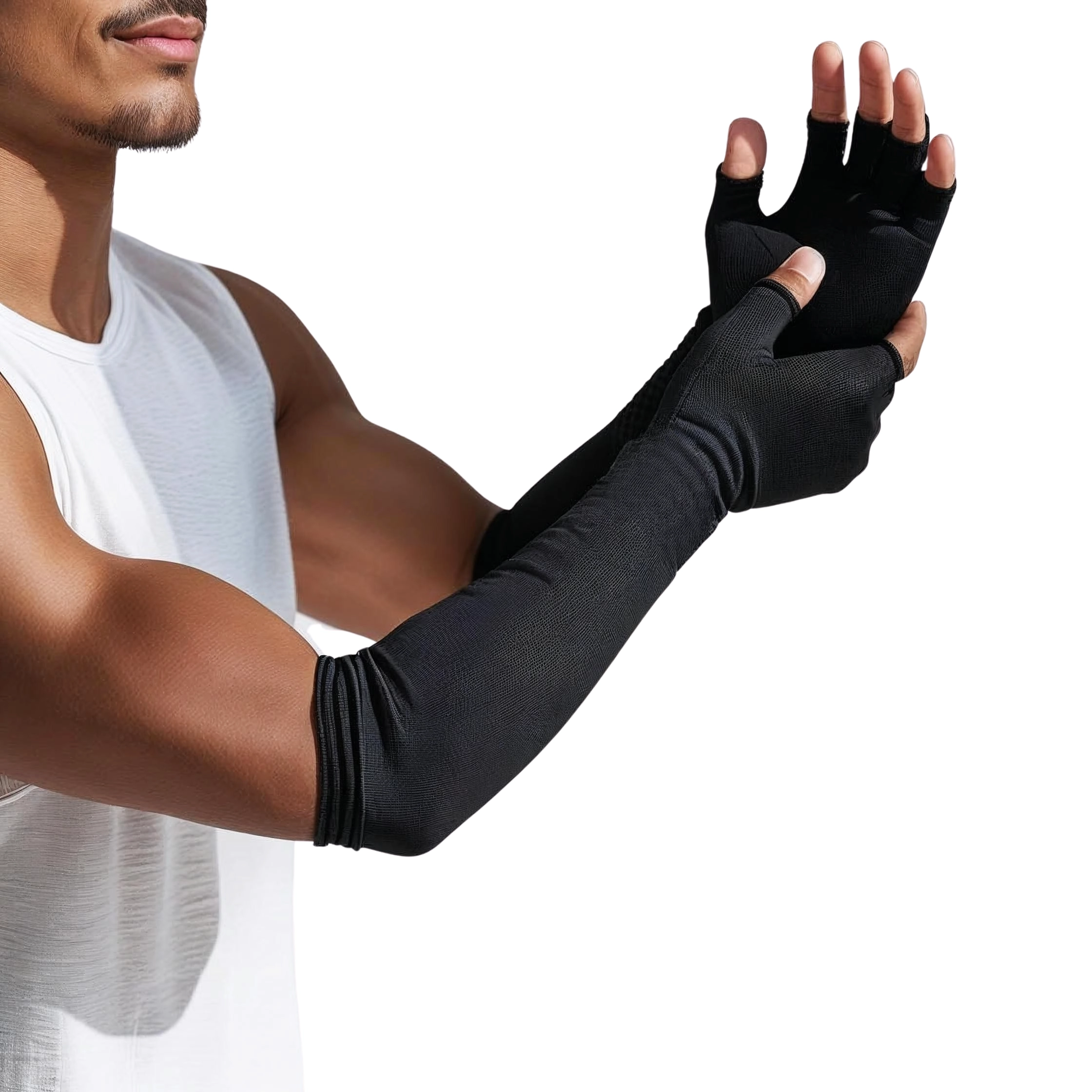
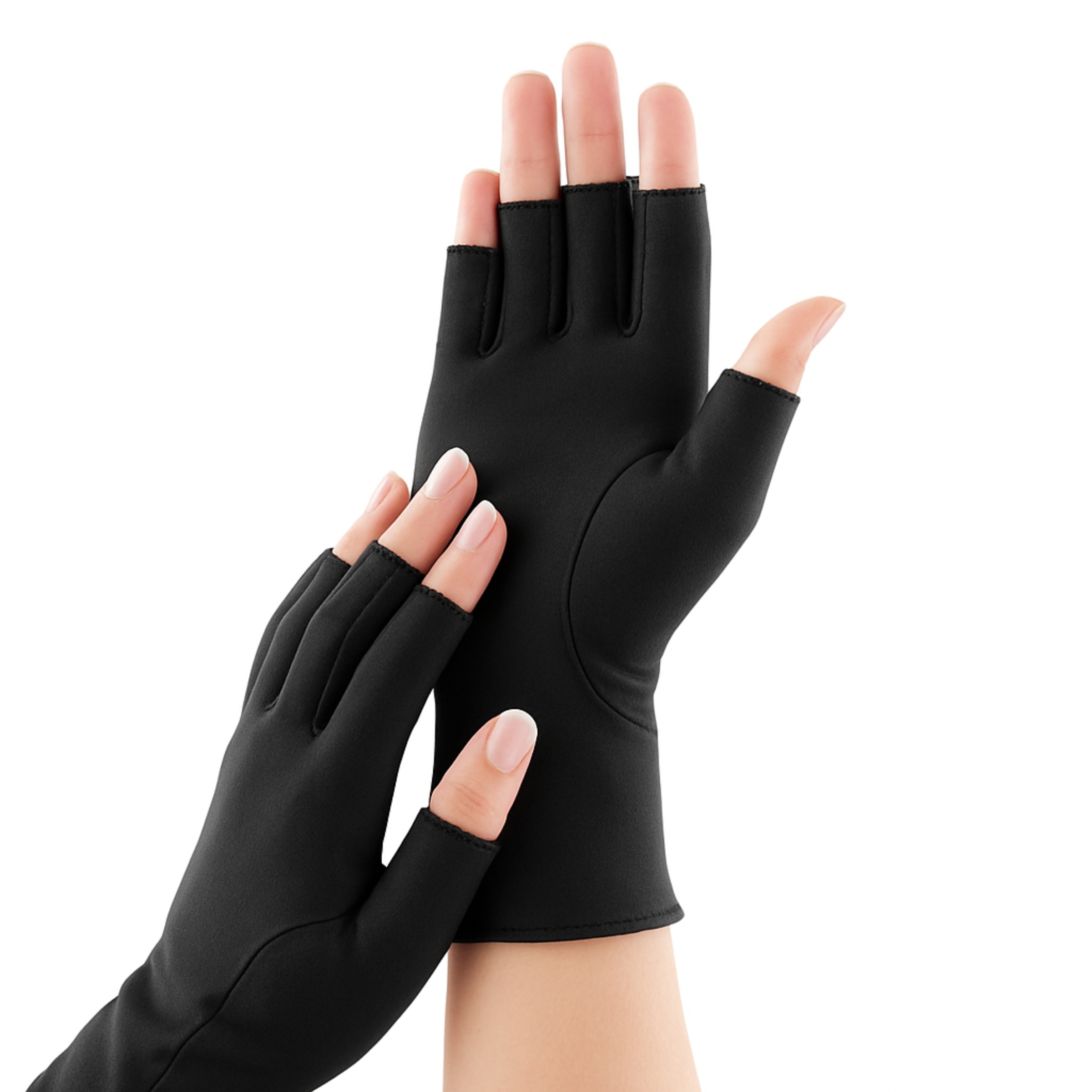
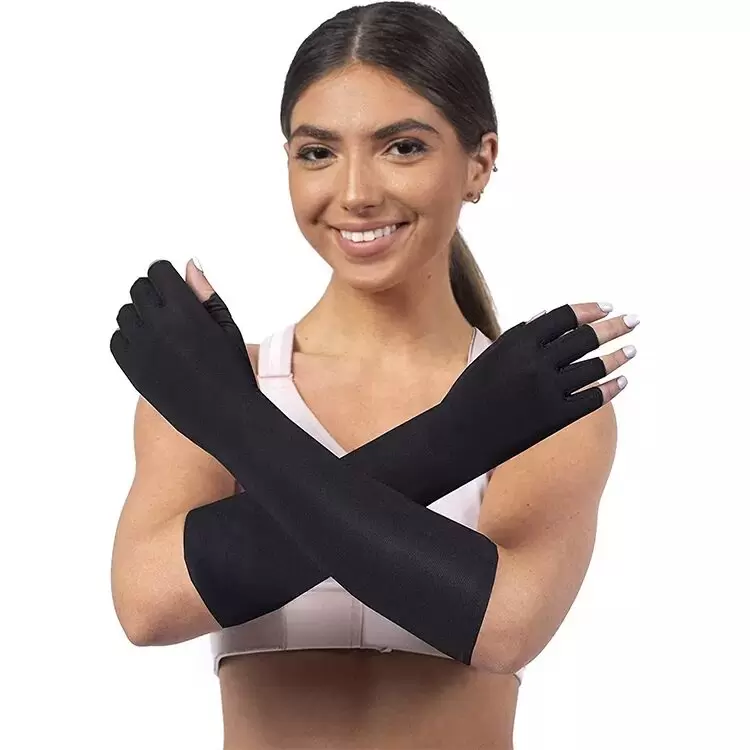
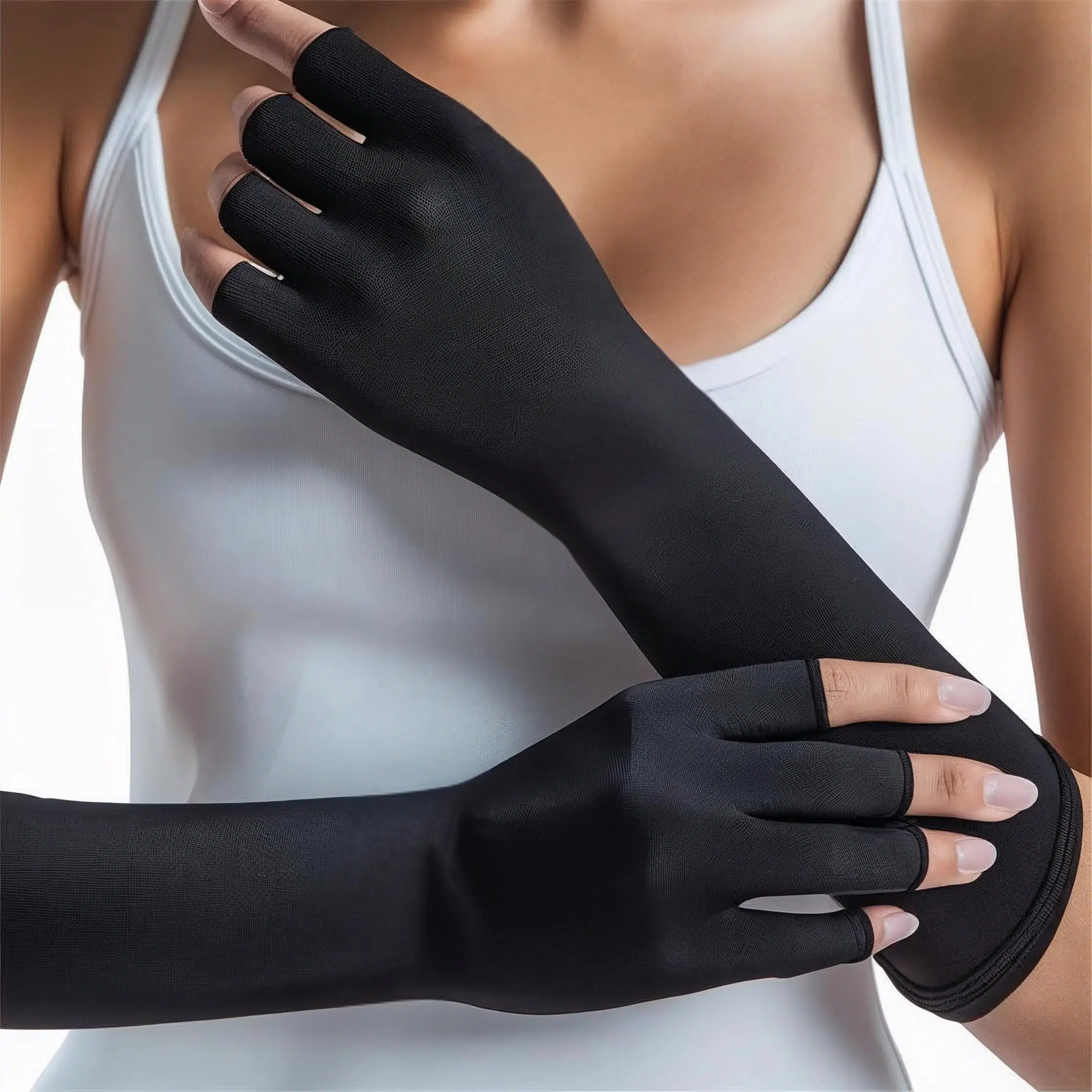
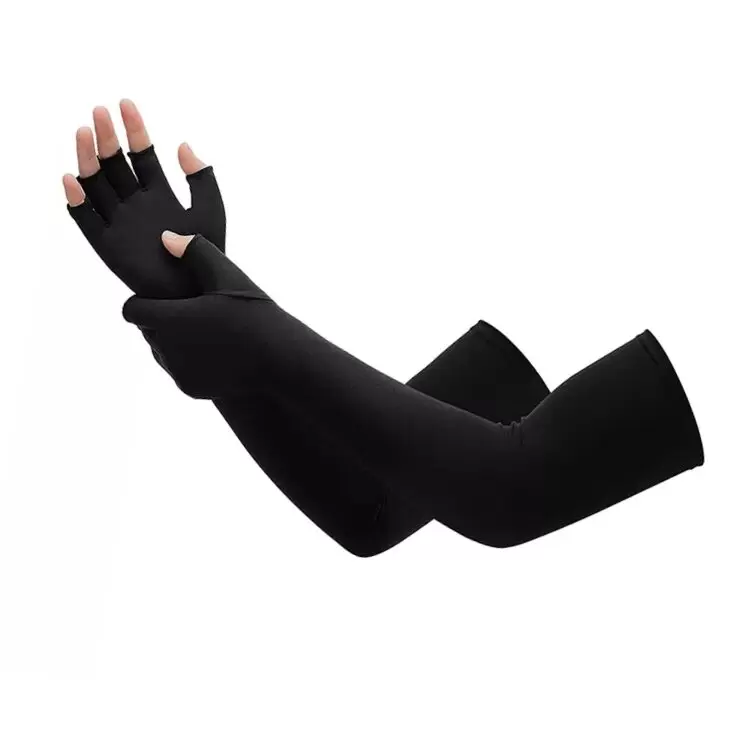
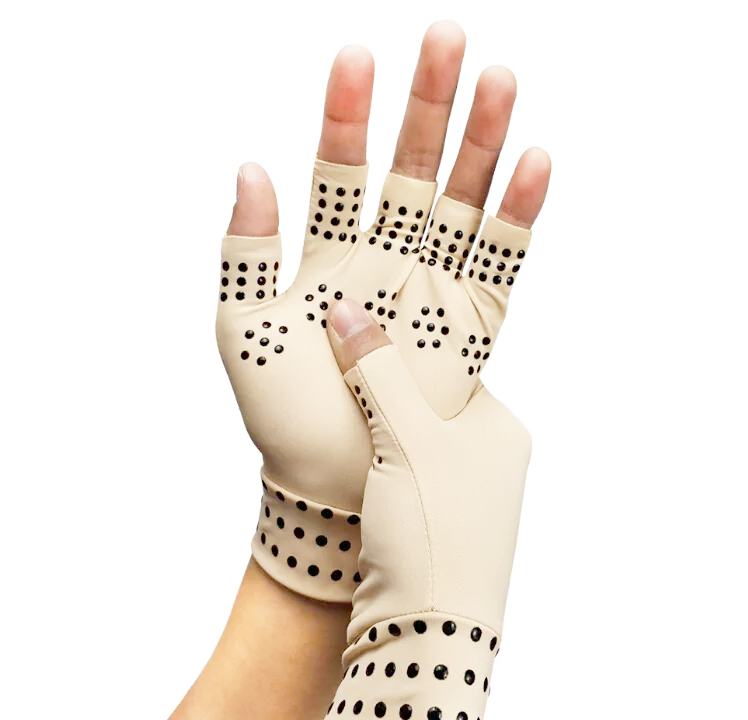
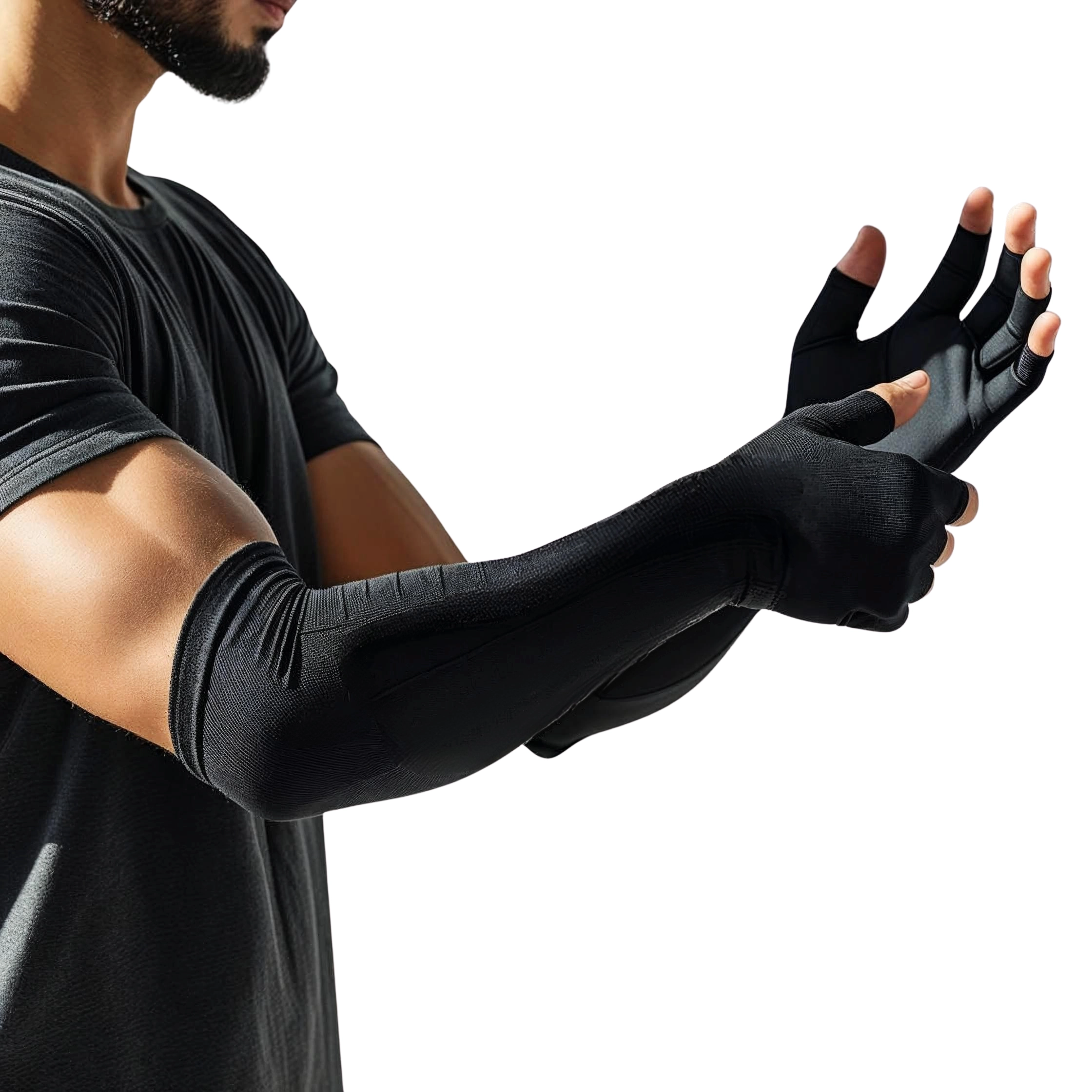
How carpal tunnel symptoms affect your dayWe use our hands for almost everything we do. They let you work, type, drive, cook, care for others and stay independent. When your hands start to hurt or stop behaving the way you expect, it can affect every part of your day.For many people with carpal tunnel syndrome, this is exactly what happens.You might notice tingling or “pins and needles” in your thumb, index, middle and part of your ring finger. Parts of your hand can feel oddly numb or less responsive. You may also get sharp, burning pain at the front of the wrist that sometimes shoots into the palm or fingers.You may find you struggle to type for more than a few minutes without your wrist aching and your fingers buzzing. You might feel less confident holding a mug, pan or shopping because your grip seems weaker or less reliable. Dropping small objects, like your phone or keys, can become more common than it used to be.Night‑time can be even worse. Many people wake in the early hours with their hands burning or tingling, or with a deep numbness that is hard to ignore. You may find yourself hanging your hands over the side of the bed or shaking them in an attempt to restore normal feeling for a short burst of relief. That relief is often temporary. Because your wrists may have been bent and still for hours, swelling builds around the nerve and the symptoms can quickly return, leaving you exhausted the next day.Over time, you can start to change your life around your symptoms, avoiding certain tasks at work or home because they trigger your hands. You may cut back on hobbies that need fine hand control, such as knitting or playing an instrument, and begin to worry that you cannot rely on your hands when you need them most.If this sounds familiar, you are not imagining it. These symptoms are recognised in carpal tunnel syndrome and are usually a sign that the main nerve in your wrist is under pressure. Understanding why this is happening inside your wrist is the key to choosing a straightforward, non‑invasive option to support your hands.That is what RevitaFit compression support gloves are designed to help with: reducing some of the strain and pressure in and around the carpal tunnel while you carry out your usual daily tasks.What happens inside your wrist in carpal tunnel syndromeCarpal tunnel syndrome is caused by pressure on a single important nerve in your wrist: the median nerve.On the palm side of your wrist there is a narrow passage called the carpal tunnel. This sits just in front of the wrist joint on the palm side. It is formed by small wrist bones on three sides and a strong band of tissue (a ligament) on the palm side, which acts as a rigid roof. Bone and dense ligament do not stretch much, so there is very little spare room inside this tunnel.Running through this tight channel are the median nerve and several flexor tendons. The median nerve carries feeling from your thumb, index finger, middle finger and part of your ring finger, and helps to control some of the small muscles at the base of your thumb. The flexor tendons are rope‑like cords that run along the palm side of your wrist and fingers from muscles in your forearm, letting you curl your fingers and thumb into your palm and grip objects.Because the tunnel is narrow and cannot expand, there is very little “give” when anything inside it swells or thickens. Even a modest increase in the size of the tendons or the smooth sheaths that help them glide can begin to press on the median nerve.When that nerve is compressed, the tiny blood vessels that supply it can be partly squeezed, reducing the flow of oxygen and nutrients to the nerve fibres. The nerve fibres then struggle to carry electrical signals smoothly. Some signals are blocked; others mis‑fire. This leads to the tingling, numbness, “electric shock” sensations or burning feelings you notice in the fingers supplied by that nerve. The typical symptom mix – changes in the thumb, index, middle and part of the ring finger – matches the area that the median nerve serves. The little finger usually feels normal because it is mainly supplied by a different nerve that runs outside the carpal tunnel.The median nerve also supplies some small muscles in the thumb. Ongoing pressure can weaken those muscles, make pinching and gripping less secure, and contribute to clumsiness and dropping objects, especially with tasks like turning a key, fastening buttons or holding utensils. This mix of altered feeling and reduced thumb strength is common when the median nerve is squeezed in the carpal tunnel.If this pressure continues for long periods, the nerve can become more and more sensitive. At first you might only notice symptoms at night or after heavy use. Over time, because the nerve is repeatedly irritated, smaller amounts of strain – such as a short session at the keyboard – can start to trigger tingling or pain. In longer‑standing cases, the nerve can start to show more permanent changes, including visible thinning of the thumb muscles at the base of the thumb on the palm side. Symptoms can become harder to settle. That is why it is important not to simply ignore persistent or worsening symptoms.Why some people are more prone to carpal tunnel syndromeIf carpal tunnel syndrome is essentially too much pressure on the median nerve in a small tunnel, what makes that pressure build up?For most people, it is not one dramatic injury. It is a build‑up of repeated hand use that makes the contents of the tunnel slightly thicker or more swollen, wrist positions that physically narrow the tunnel, and health factors that increase swelling or change the tissues around the nerve. Together, these increase strain and swelling around the nerve.When you use your hands over and over in the same way, the flexor tendons that share the tunnel with the nerve slide back and forth through that confined space thousands of times a day. They can become irritated, and the smooth sheaths around them can thicken slightly over time. Here, “inflamed” simply means the tissues are irritated and a bit swollen from overuse, not infected. Because the carpal tunnel has almost no spare room, this extra swelling and thickening takes up space that the nerve would otherwise have.Common situations include long spells of keyboard and mouse use, where your fingers are constantly moving and your wrist is often held slightly bent; gripping tools repeatedly; and fine, repetitive hobbies like sewing or playing certain instruments, where the same movements are repeated for extended periods.Each of these adds many small loads to the same tissues. One or two grips are harmless, but thousands of repetitions, day after day, can gradually thicken the tendon coverings and increase the amount of fluid around them. In a tunnel that cannot stretch, that extra volume has to go somewhere, and the median nerve often ends up being squeezed.If you spend much of the day typing at a desk, the tendons are constantly gliding and the soft tissue around them can stay slightly puffy by evening. Wearing a gently compressive glove during this time helps contain that soft tissue and spread pressure more evenly along the wrist and palm, so the nerve is subjected to less direct, sharp pressure with each keystroke. That is one reason some people notice less tingling towards the end of the day when they use a support.The median nerve tolerates pressure best when your wrist is in a neutral position – held straight in line with your forearm, not bent back towards the back of your hand and not bent down towards your palm. When your wrist bends sharply forwards or backwards, the space inside the carpal tunnel becomes even smaller. The ligament that forms the tunnel’s roof bows and tightens down towards the palm, and pressure on the median nerve and tendons rises sharply.This can happen when you rest the soft part of your wrist on the sharp edge of a desk while typing, which presses directly on the tunnel from the outside, when you hold a steering wheel so that your wrist is bent for a long time, or when you sleep with your wrist curled under your head or body, keeping it in a bent position for hours.During the day you often move when something becomes uncomfortable. At night, you may stay in one position for a long time without realising it. When you are lying flat and not moving much, fluid is less easily pumped away from your hands, so it can collect in tight spaces like the carpal tunnel. This combination of bent wrists and fluid build‑up is one reason night‑time symptoms can be so intense. It explains why you might go to bed with only mild symptoms but wake with a whole hand that feels painfully numb or burning.Some health conditions and life stages make it easier for pressure to build inside the tunnel. Diabetes can affect small blood vessels and the insulation around nerves, which means the median nerve may tolerate less compression before it starts to misfire, so symptoms can appear with smaller amounts of pressure. Osteoarthritis and rheumatoid arthritis can cause swelling and changes in the joints and soft tissues around the wrist. Thickened joint lining or small bony spurs near the wrist can bulge towards the carpal tunnel, narrowing the available space. Thyroid problems can be linked with fluid retention and subtle thickening of some tissues, which adds to crowding in tight, bony spaces.Pregnancy can bring hormonal changes and fluid retention that increase the amount of fluid in the tissues, temporarily raising pressure in enclosed areas like the carpal tunnel. Some people are simply born with a narrower carpal tunnel, leaving less spare room for tendons to swell before the nerve is squeezed.In all these examples, either the contents of the tunnel become bulkier, the walls effectively press in, or the nerve itself is less robust. In a space that cannot stretch, these changes make it much easier for the median nerve to become crowded.If you keep using your hands in the same way day after day, and the underlying factors remain, the nerve can stay irritated for months or years. Symptoms may start as occasional night‑time tingling, then progress to tingling with certain activities, and eventually become more frequent or even present much of the time. This is how carpal tunnel syndrome can move from an occasional nuisance to a persistent problem.This is why supports that reduce unnecessary pressure on the nerve, limit the time your wrist spends in extreme positions and help your body move fluid out of the area, rather than letting it collect around the nerve, can be so useful.Why wrist support and gentle compression make senseKnowing that carpal tunnel syndrome is driven by median nerve compression in a rigid space, you can see what any helpful support should aim to do: reduce the time your wrist spends in its most nerve‑unfriendly positions, help limit excessive swelling within and around the tunnel, and make it easier to keep using your hands without constantly over‑straining the same tissues.Bending your wrist sharply forwards or backwards narrows the tunnel and increases pressure on the nerve. The more often, and the longer, your wrist sits in these positions, the more stressed the nerve becomes. Support that wraps around your wrist and the base of your hand can provide gentle resistance as you start to bend too far, making it more natural to keep your wrist closer to neutral during tasks and sleep. This does not mean locking your wrist straight, but discouraging the extremes that aggravate the nerve most.If you normally rest your wrist heavily on a hard desk edge while typing, a snug support can both pad that edge and let you feel sooner when you are dropping into a sharp bend. That extra awareness often leads you to adjust how you rest your forearm, so the nerve spends more of the working day in a safer, less compressed position. Reducing those sharp bends reduces the pressure spikes on the nerve that often trigger your most intense symptoms.Inside the carpal tunnel, even small amounts of extra fluid around tendons and soft tissues can crowd the nerve. Gentle, consistent external compression around the wrist and hand supports the tissues so they are less able to push outwards into the tunnel. It can also help stop fluid building up in one tight spot around the nerve by encouraging it to move through the veins and lymphatic vessels that drain the area. As you move your fingers and wrist inside a gently compressive glove, repeated movement helps push fluid through these draining vessels, especially during the times of day when you are moving your hands the most.Rigid splints have their place, particularly for short‑term rest, very irritable symptoms or after certain injuries under professional guidance. But many people with carpal tunnel syndrome still need to type, write, use devices, drive, prepare food, carry out household tasks and use tools at work. A flexible support lets you keep moving, but in a safer way. Your wrist is less likely to slump into the most compressed positions, and your tendons and ligaments are partially supported by the fabric instead of absorbing every bit of strain. Compression support gloves are designed to limit the most aggravating positions and help control fluid build‑up, while still allowing enough movement for real‑world tasks.Why compression gloves are a practical option for carpal tunnel syndromeCompression support gloves bring these principles together in a simple, wearable form. They wrap around your hand and wrist with gentle, steady pressure, encourage your wrist to sit closer to neutral without locking it rigid, and allow your fingers to move, curl and grip while still giving the rest of your hand support.For carpal tunnel syndrome, this makes sense because the compression around the front of the wrist and palm helps manage local fluid build‑up around the tendons and nerve. The structured fabric offers a light but constant resistance as you bend, which can reduce how often you drop into those most nerve‑irritating positions. You can wear them during the very activities that usually trigger your symptoms, rather than only when you are resting.The glove acts on the skin and soft tissues around the tunnel, not on the nerve itself. By holding those soft tissues more firmly and guiding wrist position, it helps reduce the extra swelling and thickening that contribute to nerve compression.A fingerless design adds extra practicality. Your fingertips are uncovered, so you can feel keys, buttons, instrument strings, knitting needles and other fine objects properly. The glove still supports the palm side of your fingers, where the flexor tendons run, and the back of your hand. The main target is the wrist and base of the fingers, where the carpal tunnel and flexor tendons sit. Leaving the fingertips free protects your ability to feel and handle small objects, without taking away the mechanical support where it is most needed.Worn at the right times, compression gloves often make carpal tunnel symptoms easier to live with. You wear them when you know you will be putting your wrists and hands under more strain, and you may also wear them overnight to help keep your wrists in positions your median nerve can tolerate better. Because the nerve is then exposed to fewer high‑pressure episodes and less overnight fluid build‑up, many people notice fewer or milder symptom flare‑ups over time.RevitaFit compression support gloves are designed specifically around these mechanisms.Meet the RevitaFit carpal tunnel glovesFit, coverage and designRevitaFit carpal tunnel gloves are fingerless compression support gloves created for adults who live with carpal tunnel syndrome and other painful or sensitive hand and wrist conditions.The gloves cover from just below the first finger joints, across the palm and wrist, and a short way up the forearm. This means the fingertips stay free for precise grip and touch, while the palm, wrist and lower forearm receive steady support.The forearm‑anchored cuff gives the glove a firm base so tension is not concentrated in a tight band at the wrist crease. This helps avoid a “tourniquet” effect directly over the carpal tunnel, which can be a problem with shorter supports. Each glove can be worn on either hand, and they are supplied as a pair, suitable for both men and women. A range of sizes allows you to choose a close fit that matches your hand measurements.Compression profile over the carpal tunnelRevitaFit gloves provide moderate to firm, graded compression. The fabric is more structured and supportive over the front of the wrist and base of the hand, where the carpal tunnel and median nerve sit, and gradually eases off towards the fingers and forearm.This pattern means the tissues over and around the carpal tunnel receive meaningful, steady compression to help control swelling, while the edges of the glove feel snug rather than digging in. Many basic gloves apply the same pressure all the way along the hand and forearm. RevitaFit is shaped so the area most relevant to carpal tunnel syndrome receives the greatest support.Materials, seams and comfortThe fabric used in RevitaFit gloves has been chosen to balance stretch, structure and breathability. It is stretchy enough to follow the curves of your hand closely, structured enough to give a consistent, supportive feel over the carpal tunnel area as you move, and breathable so your hands are less likely to overheat or become damp during long wear. The material also helps reduce odour between washes.Low‑profile seams and a close, anatomical cut are used to reduce rubbing over sensitive areas, particularly around the thumb base and wrist crease. These details take into account that many people wear the gloves for full workdays and sometimes through the night, not just for short periods.DurabilityThe durable materials, stitching and overall construction help the gloves maintain their close fit and supportive feel for several months with regular use and sensible care. The fabric is designed to hold its shape rather than quickly becoming loose and baggy.All elastic fabrics gradually relax over time. Once a support glove has lost too much of its stretch, it can no longer provide the same level of compression around the carpal tunnel region or offer the same resistance to extreme wrist positions. When this happens, the benefits – controlling swelling and improving wrist position – are reduced.These design choices match what is commonly seen in carpal tunnel syndrome: swelling where the nerve runs, strain at the wrist crease, and the need to keep fingertips free for fine work while still supporting the wrist and palm.How RevitaFit gloves target problems inside the carpal tunnelInside the carpal tunnel, swollen tendon coverings and extra fluid can crowd the median nerve. When that nerve is squeezed in a space that cannot stretch, it struggles to carry signals properly and becomes more sensitive. The moderate‑to‑firm compression of RevitaFit gloves provides steady pressure across your hand and wrist, helps limit excessive soft‑tissue swelling next to the nerve, and helps stop fluid building up in one tight area.This does not directly free the nerve, and it does not reverse structural changes in the nerve or joints. What it does do is help control one of the main contributors to nerve compression: extra swelling and thickening in the tissues around it. When this is combined with better wrist positions, the median nerve is subjected to fewer and less intense episodes of pressure.When you grip a handle or carry a heavier bag, your hand curls around the object and your wrist often bends slightly. Without support, the soft tissues at the front of the wrist can swell and shift more freely inwards towards the tunnel. Wearing the gloves during those periods means each squeeze of your hand takes place with the palm and wrist tissues held more firmly. That containment can reduce the amount of extra fluid that collects around the nerve by the end of the day, which many people notice as less evening tingling or burning.The cut and stitching of RevitaFit gloves are designed to wrap firmly around the wrist and base of the hand, where the carpal tunnel lies, and extend a short way down the forearm, so the glove can support the wrist without all the tension sitting in one place. They offer gentle resistance when you start to bend your wrist too far forwards or backwards.This resistance acts as both a physical limit, making extreme angles harder to sustain, and a reminder, so you notice sooner when you are bending your wrist into positions that usually trigger your symptoms. That is why bending the wrist for a long time often brings the tingling on. By spending more of the day and night in wrist positions that the median nerve can tolerate, you reduce the ongoing physical pressure and strain on the nerve. Less time in sharply bent positions overnight also means the nerve often feels less numb and irritable when you wake.Stopping hand use entirely is rarely realistic. You still need your hands to type and use devices, prepare food, dress, hold a steering wheel or grab rails, and grip tools or instruments. RevitaFit gloves are designed to help you continue with necessary tasks, with additional support.They can be particularly helpful when you are doing desk work where your wrist might otherwise slump on the edge of the table and your fingers move rapidly over the keys or mouse, or when you are doing manual tasks that involve repeated gripping and twisting of handles or tools.In these situations, the glove helps share some of the gripping tension that would otherwise be taken entirely by your joints, ligaments and flexor tendons when you bend and squeeze. When you are chopping food or turning a stiff handle, the snug fabric around your palm and wrist bears part of the load as you twist and press, instead of every bit of that force going through the carpal tunnel structures. Many people find this can make longer bouts of these tasks feel more manageable, with fewer sharp jolts or short periods where the hand feels completely numb afterwards.By reducing the strain your tissues absorb with every movement, you can, over time, reduce how often your symptoms flare and how intense they feel, because the median nerve is no longer being pushed so often to its limit.How RevitaFit gloves are built for comfort and long wearFor any support to be useful, you must be able to wear it for long enough and often enough to make a difference. Comfort is not a luxury; it is essential. If a glove is itchy, clammy or constantly slipping, it will end up in a drawer just when your wrists need it most.The fabric in RevitaFit gloves is designed to allow air to move through the material, so your hands are less likely to feel hot and sweaty. It helps move moisture away from the skin, so sweat does not sit on your hands for long periods, and works with your body’s natural temperature control, helping your hands stay at a more comfortable temperature during both active tasks and rest. This matters whether you are wearing the gloves through a full working day, during a long drive or commute, on warmer days, or over the course of the night while you sleep.Small design choices help reduce irritation. Seams are kept smooth and low‑profile, so there are fewer raised edges to rub against the skin. The stretch in the fabric lets the glove conform to the natural curves of your hand, rather than cutting into the skin at the edges. The material is chosen to help reduce odour between washes. This is particularly important if your skin is already sensitive, if you tend to develop blisters or small skin breaks, or if you plan to wear the gloves for many hours at a time.The durable materials, stitching and overall construction help the gloves maintain their close fit and supportive feel for several months with regular use and sensible care. When you notice the fabric has become loose or the wrist area no longer feels snug even just after washing, it is usually time to replace them so you continue to receive effective support.When RevitaFit gloves are also used for other hand and wrist problemsRevitaFit gloves are designed with carpal tunnel syndrome in mind, but the combination of gentle compression, joint support and improved hand mechanics can also be useful alongside care for other conditions affecting the hands and wrists.People sometimes use compression gloves like RevitaFit as part of a wider approach to repetitive strain injuries (pain or fatigue from repeated use of the same muscles and tendons, especially with gripping or wrist bending), osteoarthritis and rheumatoid arthritis in the hand joints, Raynaud’s disease, gout, tendonitis, and wrist sprains and related soft‑tissue injuries.In repetitive strain problems and tendon‑related pain, joints and soft tissues may ache or feel fatigued after repeated gripping or typing. Gentle compression and support can reduce uncomfortable, excessive movement at sore joints and tendons and make repeated tasks feel less sharp or tiring in the hands.In osteoarthritis and rheumatoid arthritis, joints can be stiff, swollen and sensitive. A light compressive wrap can give those joints a firmer external support, which many people experience as a steadier, less painful grip. In inflammatory arthritis or gout, medical treatment to control inflammation remains essential; gloves like RevitaFit can only help with comfort and joint support, not with the underlying disease process.In Raynaud’s disease, where the small blood vessels in the fingers can tighten suddenly in response to cold and make fingers pale or painful, a glove may help hands feel warmer and less exposed. RevitaFit gloves are not designed to treat blood vessel problems or blood clots, but the gentle compression and material can make hands more comfortable in cooler environments.In all these situations, RevitaFit gloves act as a way to add gentle support and comfort, not a cure. They are usually used alongside other measures recommended by your clinician, such as medication for inflammatory conditions, exercise programmes, or changes in how you use your hands. If you have a diagnosed inflammatory or circulation‑related condition, it is sensible to check with a GP, rheumatologist, physiotherapist or other appropriate clinician about how best to integrate compression gloves into your care.When and how to wear your RevitaFit glovesUnderstanding how and when to use your gloves will help you get the best from them.Many people choose to wear their RevitaFit gloves during the activities they already know tend to trigger their symptoms. In this context, “more demanding” means activities that put a lot of strain on the hands and wrists, keep the wrist bent or fixed in one position, or involve a lot of repetitive gripping. These may include desk work with prolonged keyboard and mouse use, hobbies that involve fine, repetitive hand movements, manual work where you grip and release tools many times, and driving for extended journeys where your hands stay on the wheel in one position.The aim is to have the gloves on while the wrist and hand are under their biggest daily demands, so they can support the wrist away from its most compressed positions, share some of the strain that would otherwise fall directly on joints, ligaments and tendons, and help contain swelling in the soft tissues while the tendons are working hard. You can start by wearing them for the times of day when your symptoms tend to build up most, such as later‑afternoon desk work, and adjust from there according to how your hands feel.Night‑time is often when carpal tunnel symptoms are most intrusive. When you sleep, your wrists may curl under your head or body, or bend sharply without you noticing. You then stay in that position for hours, allowing pressure and fluid to build around the nerve. Wearing your RevitaFit gloves overnight can help keep your wrists closer to neutral positions, reducing long periods of extreme bending, provide gentle, steady compression that can limit how much fluid builds up in the area overnight, and lessen the intensity of morning tingling, numbness and stiffness.Some people wear the gloves every night. Others start by using them on nights when symptoms are more active and build up gradually. A simple approach is to try wearing them for several nights in a row, notice whether you wake as often, and notice how long the tingling or numbness takes to settle each morning. Adjust your pattern of use based on how your hands respond over a few weeks. For many people, the first sign of benefit is fewer night‑time wakings with tingling hands or a shorter period of morning numbness.For the gloves to work well, they should feel close‑fitting and supportive, not loose. They should apply firm but comfortable pressure – you should be aware of the support, but not in pain or with your fingers turning cold or pale – and allow full movement of the fingertips and enough wrist movement for daily activities, while still giving a sense of steady support.Choosing the right size helps with this. A simple guide is to measure around the widest part of your hand (usually across the knuckles, excluding the thumb) and select the size that matches. If you are between sizes, many people are more comfortable in the larger size, especially if swelling varies through the day. An overly tight glove can increase discomfort and irritate the nerve further, while a loose glove will not provide enough compression to influence wrist mechanics. If you are unsure, a GP, physiotherapist or another clinician can often help you choose.When you first wear the gloves, it can be useful to check your skin colour and sensation after a short period, and remove the gloves and seek advice if you notice persistent numbness, tingling that is clearly worse, or fingers turning very pale, blue or blotchy in a way that does not quickly settle.Looking after your RevitaFit gloves so they keep their supportGood care helps your RevitaFit gloves stay comfortable and effective for as long as possible.For best results, hand wash the gloves using mild detergent and air dry them flat or hung up, away from direct, intense heat sources. This gentler approach reduces stretching and twisting of the fabric and protects the elastic fibres and stitching, so the gloves keep their shape and supportive feel for longer.If you prefer to use a washing machine and tumble dryer, placing the gloves in a suitable laundry bag and using a mild cycle can help. Be aware that the heat and mechanical action of washing and tumbling will, over time, stress the elastic fibres and seams more, so the gloves may lose their firmness sooner than they would with hand washing and air drying. As the compression reduces, the gloves become less effective at supporting the carpal tunnel and controlling swelling.Pay attention to how the gloves feel over time. If they start to feel noticeably loose or no longer give that close, supported feel around your wrist and hand, especially just after washing, it is usually a sign that they are reaching the end of their useful life and need replacing.Using RevitaFit gloves safely and when to seek further adviceRevitaFit compression gloves are a simple, non‑invasive way to support your hands and wrists, but they are only one part of looking after carpal tunnel syndrome and other hand or wrist problems.These gloves provide support and gentle compression to the hand and wrist, help you keep your wrists in more nerve‑friendly positions, and can make many daily tasks more comfortable. They work best when used alongside reasonable changes in how long and how intensely you load your hands, and any exercises, workstation changes or other measures suggested by your clinician.They are not a cure for carpal tunnel syndrome or any of the other conditions mentioned, not a substitute for a proper medical assessment when symptoms are new, severe or changing quickly, and not a guarantee that your symptoms will disappear, especially if underlying issues are not addressed. They do not strengthen muscles, repair tendons, treat blood clots or reverse joint damage.Many people find RevitaFit gloves help ease symptoms and reduce the impact on daily life, particularly when symptoms are in the mild to moderate range, the gloves are used consistently during activities that put a lot of strain on the hands and wrists and at night, and other sensible measures (such as adjusting activity patterns or improving workstation set‑up) are also in place.It is important to seek advice from a GP, physiotherapist or other appropriate clinician if your symptoms are new, severe, or getting worse quickly; you have constant numbness in the thumb, index, middle or part of the ring finger, not just during certain activities or at night; your hand or thumb has become noticeably weak, making everyday tasks like holding cutlery or turning taps difficult; you notice any sudden major change in how your hand works or feels; your symptoms extend beyond the usual carpal tunnel pattern or you have new, unexplained symptoms; or you have been using supports and making reasonable changes to your activities, but your symptoms still significantly affect your work, sleep or quality of life.Persistent numbness and significant weakness can be signs that the median nerve is struggling more seriously. Over months or years, constant compression can sometimes lead to more lasting changes in strength and feeling. A professional assessment can confirm whether carpal tunnel syndrome is the main cause of your symptoms, rule out other conditions that can mimic or add to it, and help you agree a sensible way of managing your symptoms, which may include exercises, changes in how you perform certain tasks, other supports, or further treatments where appropriate. RevitaFit compression gloves can then be fitted sensibly into that approach – for example, worn during the periods of heavier use while you also follow a home exercise programme or workstation adjustments.Bringing it together: how RevitaFit gloves fit into your careCarpal tunnel syndrome can turn simple actions into challenges and disturb your sleep with burning, tingling or numb hands. Underneath those sensations is a clear picture: the median nerve in your wrist is being squeezed inside a tunnel that is too tight and cannot stretch.Repetitive movements, unhelpful wrist positions and certain health factors can all increase pressure in that small space. Left unchecked, that repeated compression keeps the nerve irritated and can, over time, lead to more lasting changes and a lower tolerance for everyday tasks.RevitaFit compression support gloves are designed as a straightforward way to reduce that strain in day‑to‑day life. Their moderate‑to‑firm, graded compression is focused over the carpal tunnel region to help contain swelling in the tissues that sit next to the nerve. Their ergonomic cut, forearm‑anchored design and low‑profile seams encourage more neutral wrist positions throughout the day and night, making it easier to avoid the most nerve‑irritating angles. Their fingerless, breathable construction allows you to continue working, driving and carrying out detailed hand tasks, with added support rather than heavy restriction.They are available in a range of sizes, supplied as a pair, and made from durable, skin‑friendly materials intended for regular wear. With hand washing and air drying, many people find they maintain their supportive feel over several months. They do not change the basic anatomy of your wrist, but they can change how that anatomy is loaded and supported during the activities that put the most strain on your hands.If these symptoms sound familiar, RevitaFit gloves are a sensible next step to consider. Check your hand measurements, choose the size that best matches your hands, and try the gloves during the situations where you usually notice tingling or numbness building, as well as overnight if night‑time waking is a problem. Over the next few weeks, notice whether you wake less often with tingling, whether morning numbness settles more quickly, and whether key daily tasks feel more manageable.If, despite consistent use and sensible changes to how you use your hands, symptoms continue to disturb your sleep or limit what you can do, it is important to speak with a GP, physiotherapist or other appropriate clinician. They can review your diagnosis, suggest further treatment options and help you decide how RevitaFit gloves should fit alongside those next steps.DisclaimerThe information on this page is general guidance for adults and does not replace individual medical advice, diagnosis or treatment. Hand and wrist symptoms can have several causes, and similar symptoms may need different investigations or treatments.If you are unsure about your symptoms, or if they are new, severe, changing, or not improving, speak to a GP, physiotherapist or another appropriate healthcare professional for personalised assessment and advice. No product can guarantee specific results, and RevitaFit compression support gloves should be used as one part of a plan agreed with your clinician.
Arthritis Relief