$31.39
$39.55
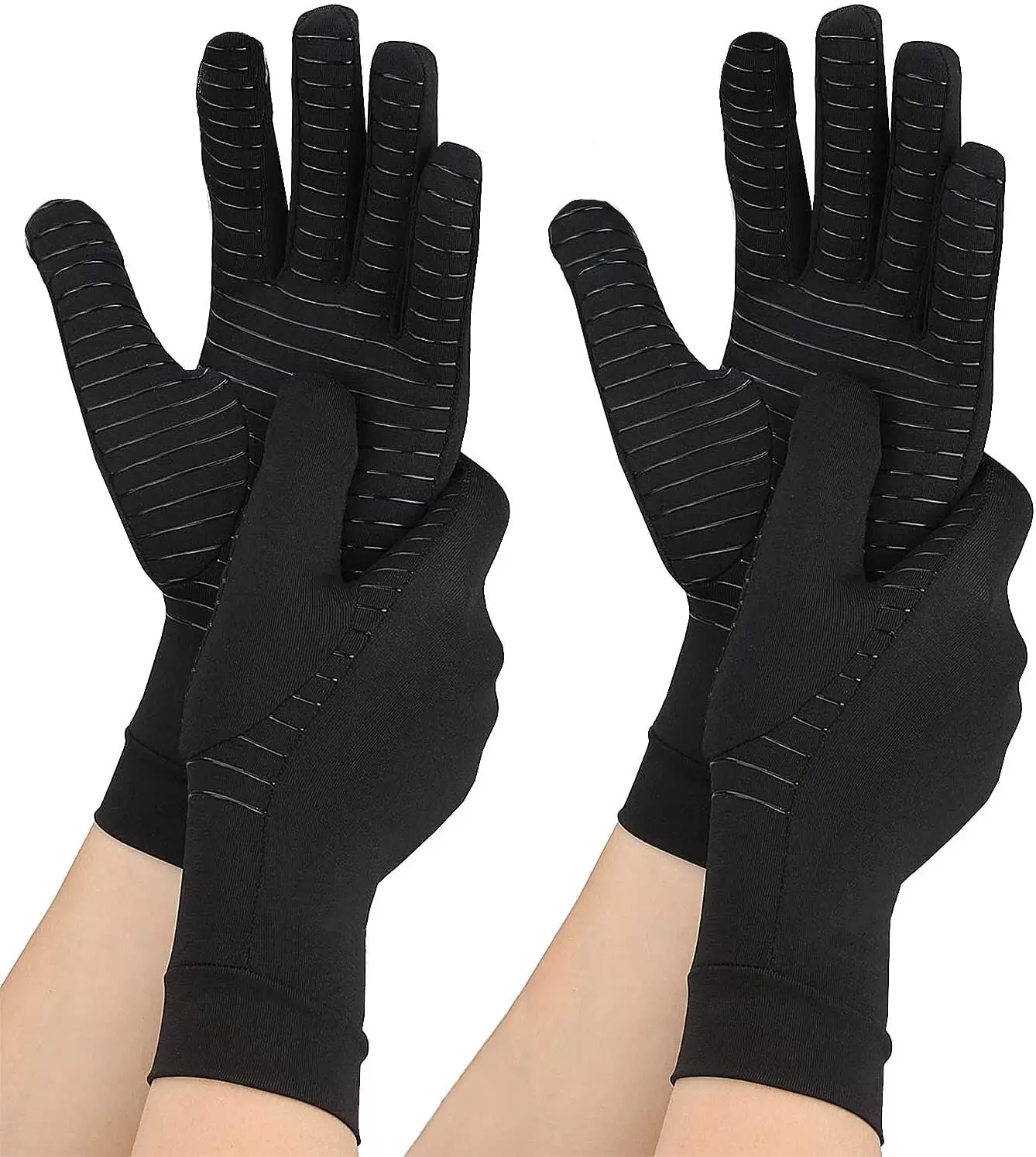
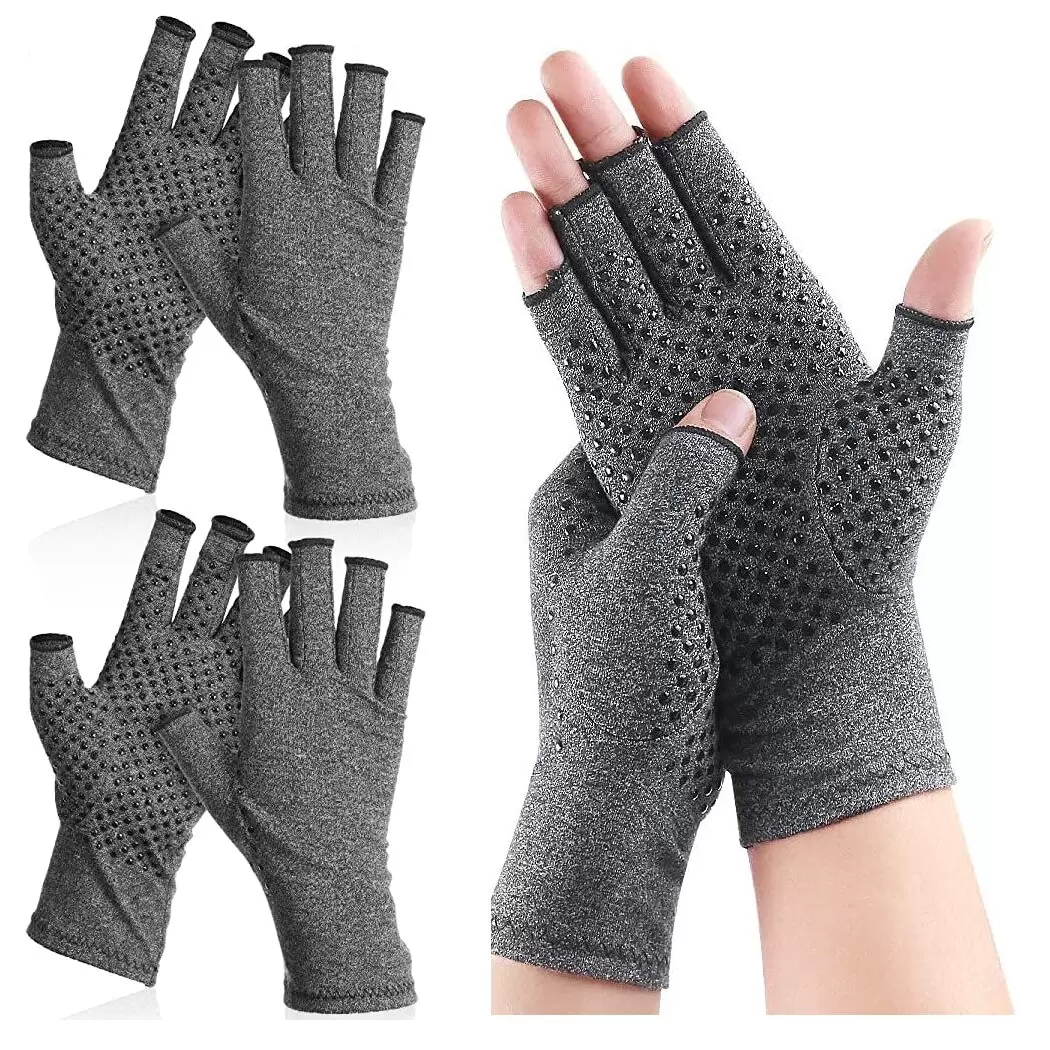
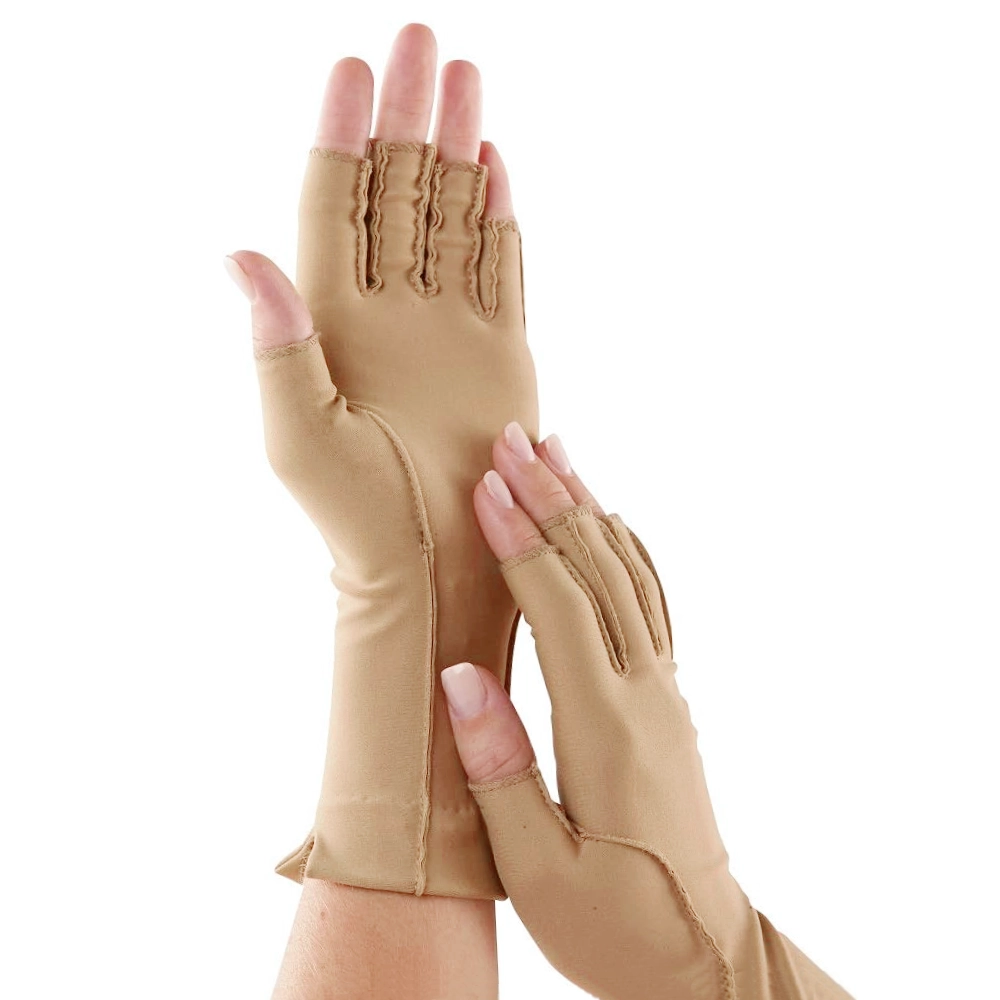
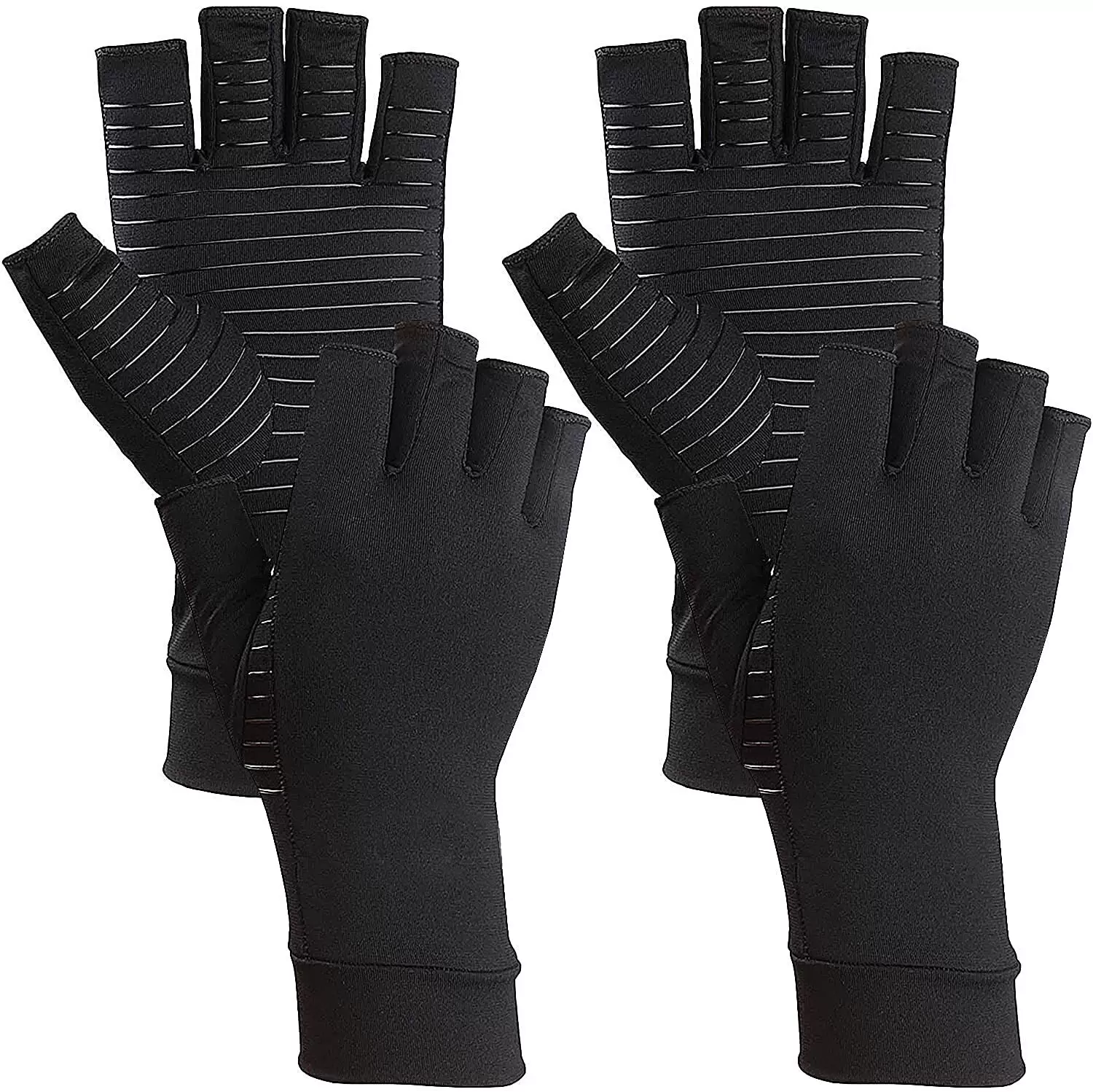
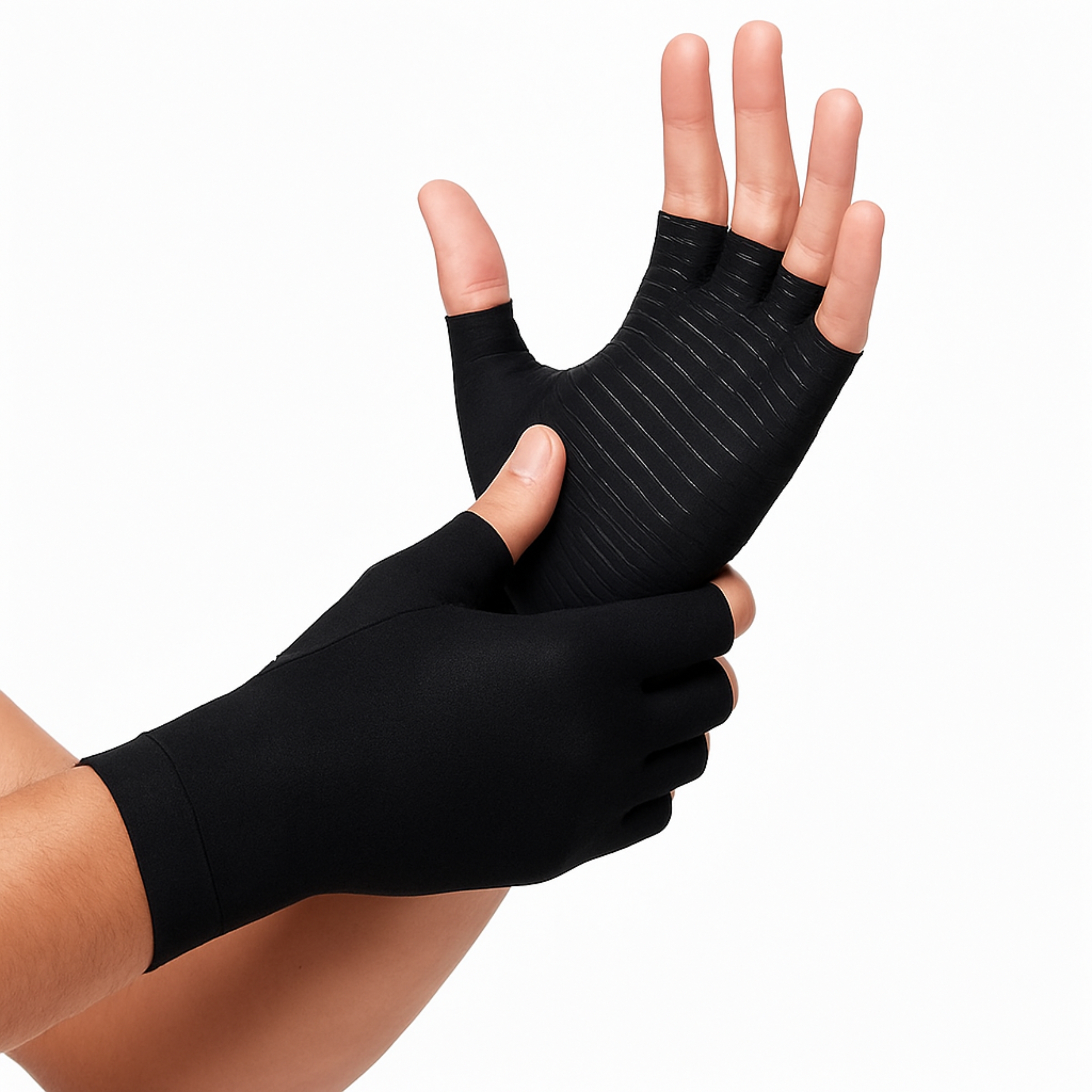
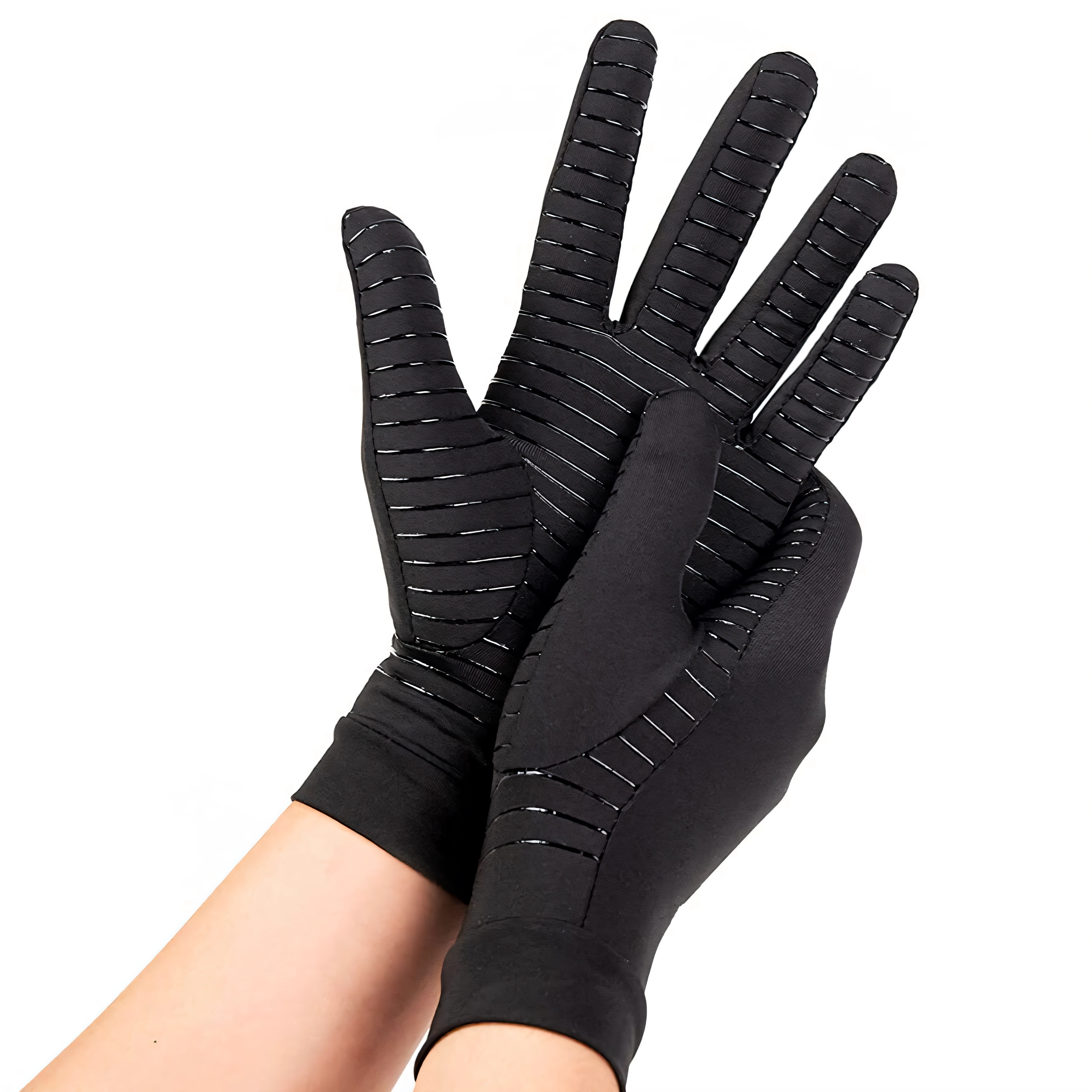
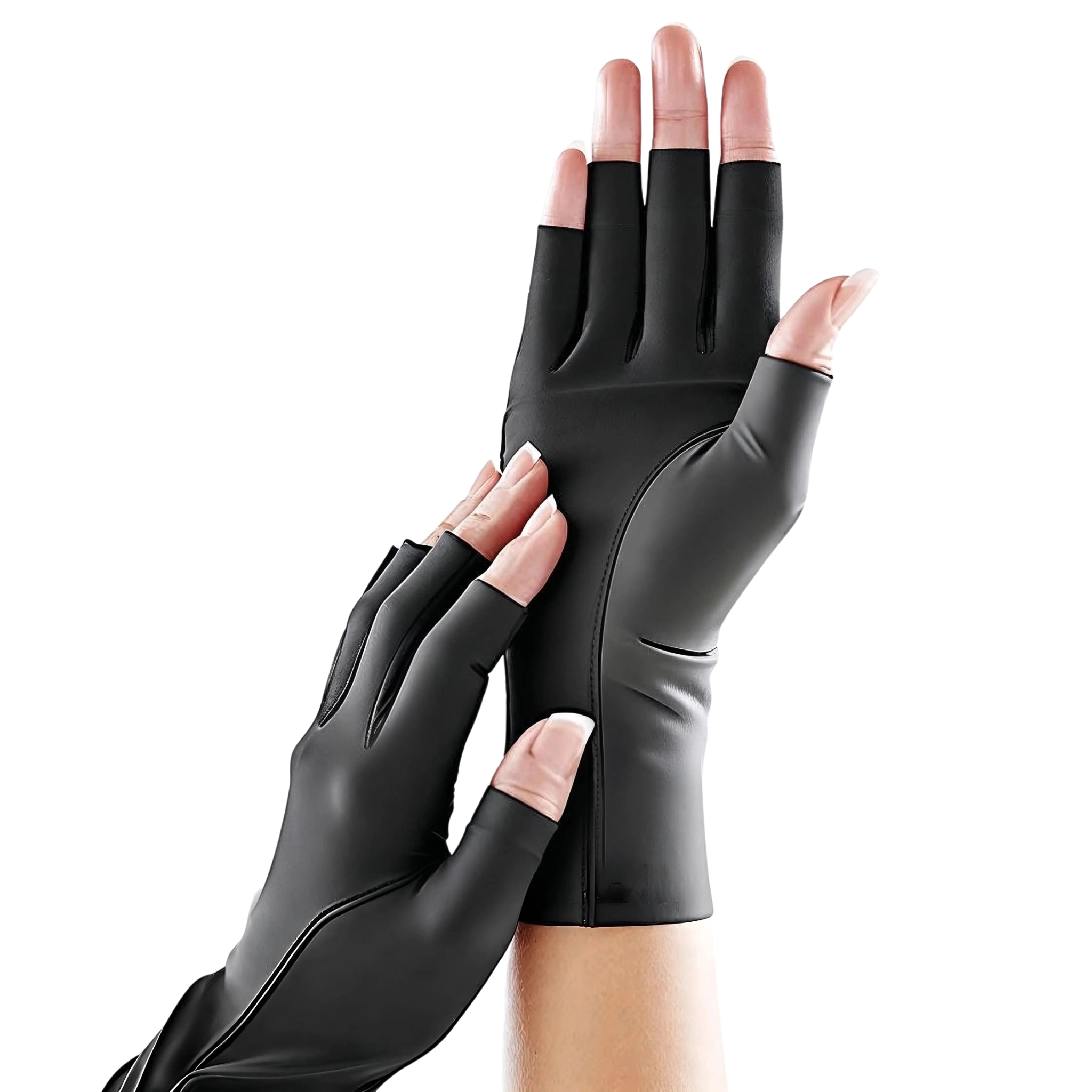
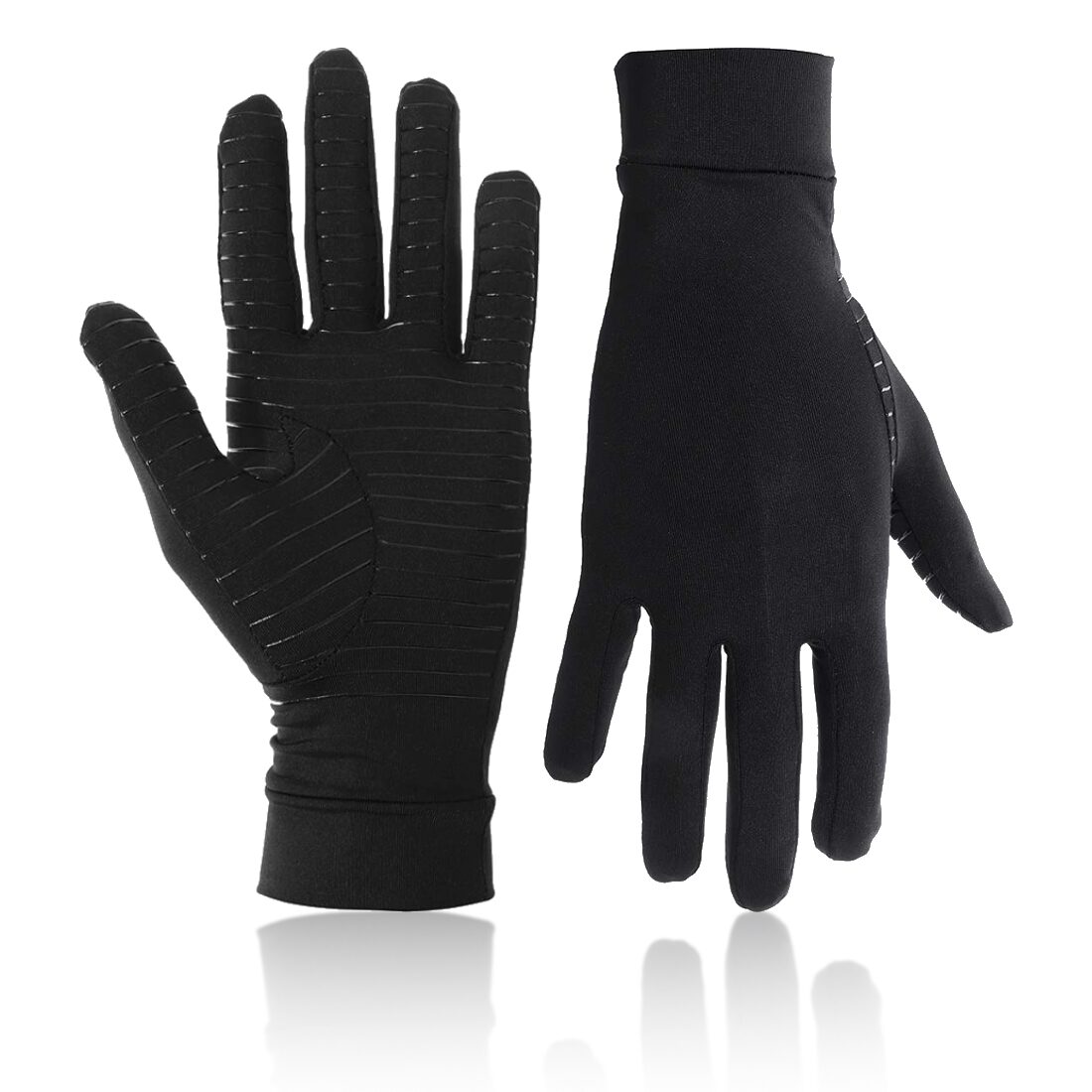
Understanding Raynaud’s diseaseAre your hands always cold? It could be more than just a winter chillIf your fingers often feel cold, numb, or change colour in chilly weather or when you’re under stress, you may be experiencing Raynaud’s. Many people notice their fingers turning white or blue, followed by a stinging or throbbing sensation as they warm up again. These are common signs of Raynaud’s — a condition that affects around 5–10% of people. For some, these episodes make everyday tasks such as typing, driving, or holding a cup unexpectedly uncomfortable. What might seem like a minor irritation can, over time, interfere with daily life and make even simple activities feel more difficult than they should.What is Raynaud’s?Raynaud’s, also known as Raynaud’s phenomenon, affects how blood flows to certain parts of the body — most often the hands and fingers. When exposed to cold or emotional stress, the small arteries that supply blood to the skin can tighten suddenly. This tightening happens when the smooth muscle in the vessel walls contracts too strongly, narrowing the passage for blood flow. This reaction, called vasospasm, sharply reduces blood flow to the affected fingers and limits the oxygen reaching the tissues.As circulation slows, the affected fingers may first turn white, then blue as oxygen levels drop, and finally red as blood flow returns. These colour changes are often accompanied by coldness, numbness, tingling, or pain. For most people, the symptoms are short‑lived but uncomfortable. In more severe or frequent cases, repeated episodes can lead to skin irritation or, rarely, tissue damage. Understanding this process helps explain why warmth and circulation support are so important in managing Raynaud’s effectively.Symptoms and signsRaynaud’s is recognised by its distinct colour changes — white (pallor), blue (cyanosis), and red (hyperemia) as blood flow returns. During an episode, the affected fingers often feel cold, stiff, or numb, and may tingle or throb as circulation improves. Most attacks last only a few minutes, though some can persist longer. Repeated episodes, especially if unmanaged, can increase the risk of skin breakdown or, in rare cases, tissue injury.These symptoms can make simple activities — like fastening buttons, typing, or using a phone — unexpectedly difficult. Many people describe their fingers feeling as though they’ve lost all warmth and control, making even light tasks awkward until circulation returns. The sudden change can be uncomfortable and sometimes unpredictable, especially in cold or stressful situations. Recognising what triggers your symptoms is the first step in managing them effectively. The next is finding practical ways to protect your hands and maintain steady circulation.Who is at risk?Raynaud’s can affect anyone, but it’s more common in women and often begins in the late teens or early adulthood, usually before age 30. A family history can increase the likelihood of developing it, suggesting a genetic link. People who work in cold environments or use vibrating tools are also at higher risk. Raynaud’s is more frequent in those with autoimmune conditions such as scleroderma, lupus, or rheumatoid arthritis, where it may indicate an underlying health issue. Lifestyle factors such as smoking, caffeine intake, and certain medications can also influence how strongly blood vessels react to cold or stress.How common is Raynaud’s?Raynaud’s is more common than many people realise. Around 5–10% of the population experience symptoms, and in the UK that could mean up to 10 million people. Because its symptoms can resemble other circulation problems, many people remain undiagnosed. For most, Raynaud’s is mild and manageable, but for others, it can be persistent and disruptive — especially during colder months.Why treatment mattersManaging Raynaud’s is about more than comfort — it’s about protecting your hands from long‑term damage. Without proper care, repeated episodes can strain the small blood vessels, leading to chronic pain or, in rare cases, tissue injury. Early management helps prevent complications and improves day‑to‑day comfort. Understanding how Raynaud’s affects blood flow helps explain why warmth and circulation support are so important in managing symptoms. The right combination of lifestyle adjustments, protective measures, and supportive products can make a significant difference in how often and how severely symptoms occur.Managing Raynaud’sTreatment optionsTreatment depends on how severe your symptoms are and how often they occur. For many people, simple lifestyle changes — such as keeping warm, avoiding sudden cold exposure, and managing stress — can make a noticeable difference. In more persistent cases, medications such as calcium channel blockers may be prescribed to relax and widen the small arteries in your hands and feet, improving blood flow. If your symptoms are severe or linked to another condition, your clinician may suggest further investigations or refer you to a specialist.Both warmth and circulation are central to managing Raynaud’s because they directly address the underlying vasospasm — the sudden tightening of small arteries that restricts blood flow. Alongside medical treatment, many people find that non‑invasive options such as compression gloves help maintain warmth and support circulation throughout the day. These gloves can be a practical addition to a broader management plan, helping to reduce the frequency and intensity of attacks while improving comfort and dexterity.The role of compression glovesFor everyday management, the main goals are simple: keep your hands warm and support healthy blood flow. These are the same priorities highlighted in clinical guidance from the NHS and the British Society for Rheumatology.Compression gloves help achieve both. They apply gentle, even pressure across the hands and fingers, supporting blood flow through the small vessels most affected during a Raynaud’s episode. This steady, balanced pressure can reduce how sharply circulation drops when exposed to cold or stress, helping to lessen the frequency and intensity of attacks.The close‑fitting fabric also traps warmth, creating a protective layer that helps maintain temperature and shields your hands from cold air — one of the most common triggers for Raynaud’s symptoms. Together, these effects can make your hands feel warmer, more comfortable, and less reactive to temperature changes.Wearing compression gloves regularly — on their own indoors or as liners under thicker gloves outdoors — can make a noticeable difference in daily comfort. Many people find they can stay outside longer, work more easily, and manage symptoms with fewer interruptions. By applying light, even pressure, compression gloves help the small blood vessels stay open for longer and encourage smoother blood flow back from the fingertips. RevitaFit Compression Gloves are designed around these same principles — combining warmth, circulation support, and comfort in one simple solution.Introducing RevitaFit Compression GlovesRevitaFit Compression Gloves are a carefully designed option for men and women living with Raynaud’s. They take a practical, clinically informed approach to symptom management, helping protect your hands from the cold while keeping your fingers warm and comfortable throughout the day. Every element of their design — from the fabric blend to the fit — is chosen to support circulation, preserve warmth, and maintain comfort during daily activities.Are compression gloves right for Raynaud’s?Compression gloves can be helpful for many people with Raynaud’s, but whether they’re right for you depends on how your symptoms behave and what tends to trigger them.When Raynaud’s strikes, the small blood vessels in the fingers narrow suddenly, usually in response to cold or stress. Blood flow slows, the fingers turn pale or blue, and they feel cold, numb, or painful. The gentle, even pressure of compression gloves supports blood flow through these small vessels, encouraging steadier circulation and reducing how sharply blood flow drops during an episode.The warmth they provide is just as important. By trapping a thin layer of body heat close to the skin, compression gloves help prevent the rapid cooling that can trigger Raynaud’s attacks. Many people find that wearing them indoors or as a base layer under thicker gloves outdoors helps keep their hands warmer and more comfortable.Compression gloves are not a cure. They work best as part of a broader management plan that includes keeping the whole body warm, avoiding sudden temperature changes, managing stress, and following any medical advice or prescribed treatment. Used consistently, they can make a meaningful difference in comfort and control.It’s also important to make sure the gloves fit properly. They should feel snug but not tight — too much pressure can restrict circulation rather than improve it. People with severe or secondary Raynaud’s, or with other circulatory or nerve conditions, should check with a healthcare professional before using compression garments.Put simply, compression gloves can be a practical, non‑invasive way to help manage Raynaud’s symptoms day to day. They support circulation, preserve warmth, and make cold‑related discomfort easier to control when used correctly and alongside professional guidance.Product features and benefitsEvery detail of the RevitaFit design is built around one principle: improving circulation while keeping your hands naturally warm and comfortable. Each feature contributes to that goal in a specific way, combining clinical insight with everyday practicality.Promotes blood flow for healthier handsThe gentle, consistent pressure lightly compresses the small arteries and capillaries in your fingers, helping them stay open and allowing blood to flow more smoothly. As a result, your fingers stay warmer and recover faster after exposure to cold. Crafted from medical‑grade elastic fibres, the gloves stretch evenly across the hand to maintain balanced pressure without restricting movement. This gentle compression supports blood flow back from the fingertips, helping prevent pooling and improving overall circulation. The result is a steadier, more comfortable level of warmth that helps your hands feel relaxed and responsive, even in cooler environments.Made with comfort in mindSoft and flexible, the fabric moulds naturally to your hands, moving with you instead of against you. The RevitaFit gloves are made from a durable nylon blend infused with copper fibres. The copper helps reduce bacterial growth, which keeps the gloves fresher for longer and prevents odour build‑up — important when you wear them for extended periods. The breathable, insulating fabric keeps warmth steady without overheating, while smooth seams prevent friction for lasting comfort. The gentle compression is designed to be comfortable for long wear and safe for most users, providing support without restricting movement or blood flow.Supportive for a range of hand conditionsAlthough developed for Raynaud’s, the RevitaFit Compression Gloves can also benefit people with other hand conditions that involve stiffness, swelling, or discomfort. The light compression supports the small muscles, tendons, and joints of the hand, helping to reduce fatigue and ease tension during repetitive tasks.For those with arthritis, mild oedema, repetitive strain injury, wrist sprain, or carpal tunnel syndrome, the gloves can provide gentle stabilisation and warmth that helps maintain flexibility. The even pressure can also reduce the feeling of tightness or puffiness that sometimes develops after long periods of use or inactivity. That versatility makes them useful for anyone needing steady, comfortable hand support.Designed to support daily lifeLightweight and non‑bulky, the RevitaFit Compression Gloves fit easily into your daily routine. You can wear them while typing, writing, driving, or using a phone without losing dexterity. The fingerless design leaves your fingertips free, allowing you to maintain full touch sensitivity for tasks that require precision, such as handling small objects or using touchscreens.Silicone grip strips on the palms and fingers provide extra traction, helping you hold items securely even when your hands feel cold or less steady. Whether you’re typing at a desk, driving in cold weather, or preparing food, the gloves provide steady support without interrupting your routine. They’re discreet enough to wear under other layers or during work, offering continuous support without drawing attention.For best results, wear the gloves during activities that usually trigger symptoms, such as going outdoors in cold weather or working in cool environments. Many people also wear them at night to maintain warmth and reduce morning stiffness.Dual‑layer protection against the coldThe inner layer maintains circulation by keeping the small surface vessels open and warm, while the outer layer blocks cold air that can trigger vessel tightening. Together, they reduce the sudden temperature drop that can set off a Raynaud’s episode. This approach works particularly well for outdoor workers, commuters, or anyone who spends time outside in winter. It keeps your hands protected without adding bulk or limiting movement.Moisture‑wicking comfortBy drawing moisture away from the skin, the fabric prevents dampness that would otherwise cool the surface of your hands and trigger Raynaud’s symptoms. This keeps your hands dry, warm, and comfortable for longer. The moisture‑control system helps maintain a consistent, comfortable feel regardless of activity level, making the gloves suitable for both indoor and outdoor use.Adaptive temperature regulationIn cooler conditions, the fibres trap body heat to keep the small blood vessels open and maintain circulation. In warmer settings, they release excess heat to prevent sweating and discomfort. This balance helps your hands stay at a stable temperature, which may reduce the risk of sudden vessel tightening. The adaptive design means you can wear them year‑round — indoors during cooler months or outdoors as a base layer in winter — without overheating or losing comfort.Seamless design for lasting comfortMost gloves have stitched seams that can rub or press against sensitive areas of the hand. The RevitaFit Compression Gloves use a seamless construction that removes these pressure points. The smooth, continuous fabric follows the natural shape of your hands, reducing friction and allowing unrestricted movement. This design is particularly helpful for people with sensitive skin or those prone to irritation. It allows you to wear the gloves for extended periods — during work, rest, or sleep — without discomfort.Breathable fabric for extended wearThe breathable knit structure promotes airflow through the fabric, preventing heat build‑up and keeping your hands comfortable even during long wear. This ventilation helps maintain a stable temperature and prevents the clamminess that can occur with less advanced materials. Because the gloves balance warmth with breathability, they can be worn comfortably across different seasons and activities — from working at a desk to walking outdoors. The result is steady, comfortable support that adapts to your day.Together, these features help maintain circulation and keep your hands comfortable throughout the day. Each element — from compression to breathability — supports the same goal: reducing Raynaud’s flare‑ups and helping your hands stay warm, flexible, and in control.30‑day money‑back guaranteeEvery pair is made to high standards of comfort and durability, and each order is backed by a simple satisfaction guarantee. RevitaFit Compression Gloves come with a 30‑day money‑back guarantee. Try them as part of your daily routine and feel the difference in warmth, comfort, and control. If they’re not right for you, return them within 30 days for a full refund — no hassle, no delay.For anyone managing Raynaud’s day to day, RevitaFit provides steady warmth, comfort, and confidence — helping you stay active and in control, whatever the weather.Important informationWhile these gloves can be a helpful part of managing Raynaud’s symptoms, they may not be suitable for everyone. Speak with your healthcare provider before use, especially if you have existing conditions such as severe circulatory problems, diabetes, or neuropathy, as compression may not be advisable in these cases.Used correctly, compression gloves are a safe and practical option for most people with primary Raynaud’s. Always follow your clinician’s advice if you have secondary Raynaud’s or other vascular conditions.If you think you may have Raynaud’s, it’s important to get a proper diagnosis. This helps confirm the cause of your symptoms and rule out other conditions that can appear similar, such as scleroderma or lupus, which require specific treatment. Your clinician can advise whether compression gloves are appropriate for your situation.Information is based on current NHS and NICE guidance on Raynaud’s and related vascular conditions.
Raynaud’s Disease Gloves