$10.79
$15.86
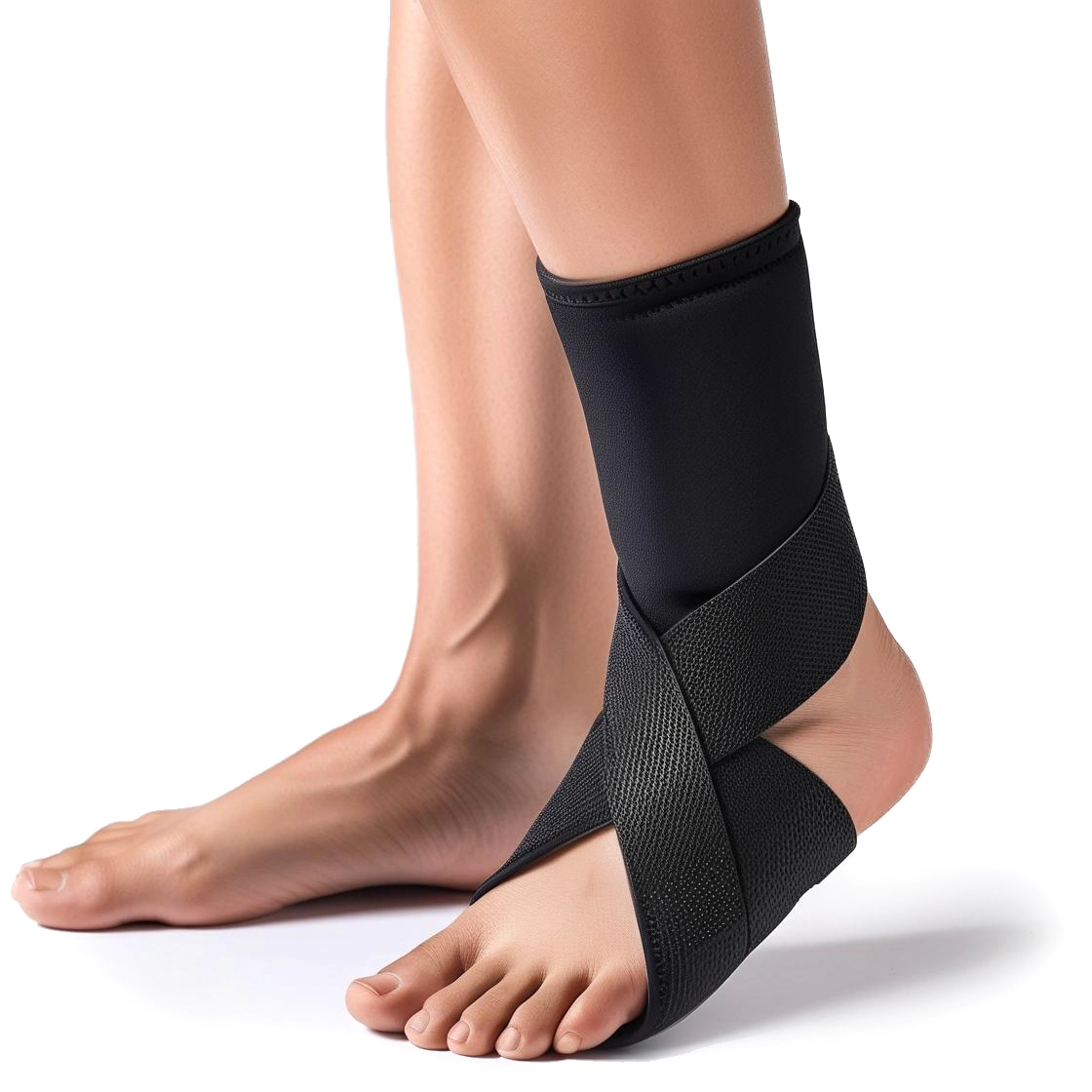
Are you having trouble lifting the front of your foot, leading to stumbles or near‑misses? Do you notice your toes dragging on carpets or uneven ground unless you concentrate on every step? Have you started lifting your knee higher than normal just to stop your foot catching? These are all common patterns in drop foot.Drop foot has many possible causes, but the day‑to‑day problem is usually the same: the toes do not lift when you need them to. Understanding that and knowing how support at the foot and ankle can help is the first step towards choosing the right brace. The expandable section below explains what drop foot is and how it is usually managed, then the rest of the page shows how the FootReviver brace has been designed to support you through that.What is drop foot?Drop foot, sometimes called foot drop, describes difficulty lifting the front part of the foot. Instead of clearing the ground smoothly, the toes may drag, or you may notice that you have to lift your knee higher than usual to avoid tripping. Drop foot is a symptom rather than a condition in its own right. It means that some part of the system that lifts and controls the front of the foot – nerves, muscles, or the way the foot and ankle move – is not working as well as it should.In a normal step, muscles at the front of the lower leg lift the foot up towards the shin so the heel can land first and then roll forwards to the toes. When these muscles are weak, slow to respond, or not fully controlled, the front of the foot can drop too early or too far. This may cause the toes to catch on small changes in floor level, such as carpet edges or slightly raised surfaces. Some people develop a “steppage gait”, where they raise the knee more than usual with each step to clear the toes.Who can be affected and why it mattersDrop foot can affect adults of different ages and backgrounds. For some, it develops gradually as part of a long‑standing health problem. For others, it may appear more suddenly after an injury or an event affecting the nervous system. Whatever the cause, it can have a significant impact on daily life. Moving around at home, getting up and down stairs, or walking across harder surfaces can start to feel risky. Many people become more cautious, reduce how far they walk, or avoid certain places because they are worried about tripping or falling.Over time, this can lead to further issues. If you frequently catch your toes or have near‑falls, you may tense up or change the way you walk, placing more strain on other joints such as the knees, hips or lower back. You might also find that you tire more quickly because you are lifting your leg higher or working harder just to clear the foot. That’s why it’s worth tackling drop foot, even if you feel you’ve “got used to it” and simply work around it at the moment.Common causes and contributing factorsDrop foot occurs when the normal link between the brain, nerves, muscles and joints that lift the foot is disrupted. There are several broad groups of causes:Nerve‑related causes A frequent pathway involves the nerves that control the muscles at the front and sides of the lower leg. If these nerves are compressed, irritated or injured, the signal telling the muscles to lift the foot may be weakened. This can occur after injuries to the outer side of the knee or upper shin, or after some types of surgery in the leg, hip or lower back. Certain long‑standing conditions that affect the nervous system can also play a role by altering how messages travel between the brain, spinal cord and leg.Muscle‑related causes Sometimes the nerves are able to send signals, but the muscles themselves are weakened or affected by a muscle condition. If the muscles that normally pull the foot up towards the shin lose strength or endurance, they may not be able to do their job properly. This can lead to a gradual onset of toe drag or loss of control, especially when walking faster, for longer distances, or on harder surfaces.Biomechanical and structural factors The way your foot and ankle move can also contribute. For example, if the foot rolls inwards or outwards more than usual when you walk, it may place extra demand on the muscles that lift and control the front of the foot. Previous ankle sprains, joint stiffness or long‑term patterns of movement can all influence how easily you can lift and guide your foot through a step.General health factors Wider health issues can increase the likelihood of nerve or muscle problems. Conditions that affect the nerves in the feet and legs, carrying significantly more body weight, or long periods of inactivity can all add strain or reduce the reserve of strength available during walking. These factors do not mean you will definitely develop drop foot, but they can make it more likely or more noticeable when other stresses occur.Everyday signs of drop footPeople with drop foot often notice particular patterns in their day‑to‑day life. These can include:Toes dragging on carpets, thresholds or small ridges unless they concentrate on each stepNeeding to lift the knee higher than usual to stop the front of the foot catchingA slapping or heavy feeling when the whole foot lands at once rather than rolling from heel to toeFeeling unsteady or anxious when walking downhill, downstairs or on uneven groundFatigue in the leg from constantly “over‑working” to avoid stumbles, especially later in the dayNumbness, tingling or altered sensation on the top of the foot or outer side of the lower leg, depending on the causeNot everyone will have all these experiences, and how strongly they are felt can vary. Some people only notice a problem when they are tired or walking further. Others are aware of toe drag and tripping risk on most steps. If these signs are present, it is sensible to seek assessment from a suitably qualified healthcare professional so the underlying cause can be explored.How drop foot is usually assessedAn assessment for suspected drop foot typically starts with a detailed history and physical examination. The clinician will often watch you walk, looking for toe drag, how high you lift the knee and hip, and how the foot lands. They may test the strength of the muscles that lift the foot and toes, compare both sides, and check for changes in sensation along the leg and foot. Joint movement and stability at the ankle and other nearby joints may also be examined.In some cases, further tests are arranged to look more closely at nerve and muscle function. These can include electrical tests that measure how quickly signals travel along nerves or how muscles respond to stimulation. Imaging may be suggested if there is concern about compression or injury to structures in the spine, leg or around the knee. The aim is not only to confirm that drop foot is present, but to clarify what is driving it so that an appropriate management plan can be put in place.Why early management mattersLeaving drop foot completely unaddressed can lead to several problems. The most obvious is an increased risk of trips and falls, which in turn can cause further injury. Less obviously, constantly compensating for a foot that will not lift properly can place extra strain on other parts of the body. Over time, this may contribute to pain or overuse problems in the knees, hips, or lower back. Muscles that are not being used effectively can weaken further, and confidence in walking may drop.Early recognition and management do not always mean that the underlying cause can be reversed, but they can make a clear difference to safety and comfort. Simple changes at home, targeted exercises, appropriate footwear and, where suitable, the use of a brace can all help maintain mobility and independence. Working with a healthcare professional can help you choose the right combination for your situation.Treatment options and wider managementManaging drop foot usually involves more than one approach, tailored to the cause and severity of the problem:Targeted exercise and physical therapy Exercises that activate and strengthen the muscles that lift and control the foot can be very helpful, particularly when guided by a physiotherapist or other movement specialist. These may start with exercises in sitting or lying positions and then progress to standing and walking tasks as control improves. Balance and coordination work can also be included, helping the whole leg work together more effectively.Footwear, orthotic insoles and walking advice Supportive, well‑fitting footwear with a stable heel and adequate room in the toe box can make it easier to walk safely with drop foot. In some cases, specially designed insoles or orthoses inside the shoe can help support the way the foot and ankle move, which may reduce strain on the muscles responsible for lifting the foot. Simple changes to how you walk can sometimes make a real difference, helping you stay steadier and take some strain off the parts of the leg that are already working hard.Electrical stimulation and other therapies In some cases, electrical stimulation may be used to encourage the muscles at the front of the leg to contract at the right time during walking. This usually involves equipment selected and set up by a clinician. Other therapies may be used depending on the cause of the drop foot and overall health, always under professional guidance.Surgical options If more conservative measures do not provide enough benefit, or if there is a specific structural cause that can be corrected, surgery may sometimes be considered. This is usually reserved for selected cases and planned carefully after detailed assessment. It is not needed or suitable for everyone with drop foot.Where specialised braces fit inAlongside these approaches, many people with drop foot are advised to consider a specialised brace for the foot and ankle. These devices are often called ankle‑foot orthoses and are designed to support the foot in a safer position during walking. They typically help in two main ways:By holding the foot closer to a right angle with the lower leg, so the toes are less likely to drop and catch the groundBy providing a more stable platform under the foot and around the ankle, guiding the foot through a smoother, more controlled stepA brace does not cure nerve or muscle problems, but it can make a noticeable difference to how safe and steady you feel when you move. Many people use a brace as part of a wider plan that includes exercises, footwear changes and other therapies. The aim is to reduce toe drag, lower the risk of trips and falls, and allow more normal steps without always having to over‑lift the knee or hip.What to expect from an ankle‑foot braceWhen a brace is well chosen and fitted, you may notice several practical effects:Toes are less likely to catch on the ground, carpets or thresholdsIt becomes easier to take a smoother heel‑first step instead of slapping the whole foot down at onceWalking on harder surfaces or over longer distances may feel more secureYou may not need to lift the leg as high with each step, which can reduce fatigueIt’s important to have realistic expectations. The brace works by supporting and guiding movement; it does not replace medical treatment or fully restore strength where nerves or muscles are significantly affected. However, by holding the foot in a more helpful position and making steps more predictable, it can be a valuable part of staying active and reducing the risk of further injury.How the FootReviver drop foot brace applies these principlesFootReviver’s drop foot brace is built around these key ideas. It supports the back of the ankle and lower leg and uses a semi‑rigid, three‑quarter‑length footplate under the foot to help hold it closer to a right angle and reduce uncontrolled dropping of the toes. An X‑shaped strap system over the top of the foot helps secure the foot onto the plate and adds gentle upward support to the front of the foot. By combining this targeted support with a slim, lightweight, breathable design, the brace aims to offer practical, everyday help for people living with drop foot, while remaining comfortable enough to wear during the activities that matter most.Show moreShow lessWhy choose the FootReviver drop foot brace?Drop foot often turns ordinary walking into a constant calculation: how high to lift the leg, whether the toes will clear a small step, or whether a change in surface will catch you out. The FootReviver drop foot brace has been developed with input from foot‑health and biomechanics specialists to address those everyday problems in a practical, clinically grounded way. Rather than simply wrapping the ankle, it combines a semi‑rigid under‑foot plate, targeted ankle support and an X‑shaped strap system over the foot to help control how the foot moves through each step.Targeted support for weak foot liftDrop foot is essentially a problem with lifting and controlling the front of the foot. When the toes drop too early or too far, they catch the ground, particularly as the leg swings through. This brace is built around that specific difficulty. Its structure is designed to help hold the foot closer to a right angle with the lower leg, especially during the swing phase of walking, so the front of the foot is less likely to fall away. Instead of relying solely on lifting the knee higher or swinging the leg out to one side to clear the toes, the brace adds support where it is most effective: at the foot and ankle. Walking can feel less like a constant effort to avoid tripping and more like a series of familiar, repeatable steps.Semi‑rigid ¾ length footplate for under‑foot stabilityUnder the foot sits a semi‑rigid plate that runs under around three‑quarters of the length of the foot. It is firm enough to give meaningful support, but not so solid that it feels like standing on a hard block. By supporting the heel, arch and most of the forefoot, the plate helps spread pressure more evenly when the foot lands and rolls forwards. For someone with drop foot, this is particularly important. Instead of the front of the foot collapsing down unpredictably when it meets the ground, the plate provides a more stable platform and guides the foot through a smoother roll from heel to forefoot. That added stability can reduce the sudden slaps of the whole foot landing at once and help each step feel more controlled.Posterior ankle support to limit sudden foot dropThe brace also supports the back of the ankle and lower leg. This posterior section helps limit how far and how quickly the foot can point downwards relative to the shin. In drop foot, the difficulty is often that the front of the foot falls away too soon as the leg moves forwards. By offering gentle resistance to that downward movement, the brace helps keep the foot closer to a safer angle for longer. This does not lock the ankle; it still allows a degree of natural movement. Instead, it reins in the extremes, particularly that uncontrolled “flop” that leads to toe drag. Combined with the semi‑rigid plate, the posterior support helps set a more predictable range of motion, which is often what people need to feel steadier when they walk.X‑shaped strap system to lift and secure the forefootA key design feature of the FootReviver brace is the way the main straps are routed around the foot. They start near the arch on each side of the foot and wrap up over the top in an “X” shape before fastening onto the ankle section of the brace with hook‑and‑loop closures. This X‑shaped route does two important jobs for drop foot. First, it holds the foot firmly down onto the semi‑rigid three‑quarter‑length footplate so it does not slide or twist as the leg swings. That secure contact between the foot and the plate is essential if the brace is going to guide each step effectively.Second, the angle of the straps provides a gentle upward pull on the front of the foot towards the lower leg. This offers extra support to the movement that normally lifts the toes during walking. When that movement is weak, the straps help stop the front of the foot from dropping too far or too quickly. By adjusting where the strap ends attach around the ankle section, you can fine‑tune both the tension and the angle of that lift. This allows the support to be firm enough to help with toe clearance, while still being comfortable enough for day‑to‑day use.Adjustable fit tailored to your leg and footNo two legs are exactly the same shape, and drop foot can vary in severity. The FootReviver brace has been designed with adjustability in mind. The strap system around the foot and ankle allows you to set how closely the brace hugs your foot, how much upward lift you feel at the front of the foot, and how firmly the ankle is held. The lower‑leg section can also be adjusted to sit snugly without digging in. This is especially useful if your leg shape changes slightly through the day, for example if there is some swelling as you spend more time on your feet. A brace that can be set to your own comfort level is more likely to be worn consistently, which is when the support is most helpful.Gentle compression to support comfort and controlThe brace provides gentle compression around the ankle and lower leg. The material sits closely against the skin and soft tissues, applying light, even pressure rather than leaving everything loose. Many people find this makes the area feel more stable and supported, especially if there is a sense of weakness or wobbliness around the joint. The snug fit helps maintain good contact between the brace and the leg so that the support elements can work effectively. It can also assist superficial circulation and ease the feeling of heaviness that can build up when the ankle is not moving normally. While it is not a medical‑grade compression garment, this level of pressure is often a useful part of the overall support.Lightweight design that avoids a heavy, rigid feelA common concern about braces for drop foot is that they will feel like a heavy, rigid shell around the leg. FootReviver’s brace is deliberately different. The semi‑rigid footplate provides structure under the foot, but the rest of the brace uses lighter, slimmer components. The materials are chosen to keep the overall weight down and to avoid thick, protruding sections around the ankle. The aim is to support the foot and ankle without making them feel trapped or dragged down. A lighter, less intrusive feel makes it more realistic to wear the brace for the hours when support is most valuable, whether that is during a working day, when out of the house, or simply moving more safely at home.Slim, shoe‑friendly profile for everyday useSupport only helps if it fits into daily life. The FootReviver brace has a low‑profile shape so it can often be worn inside many everyday shoes. The semi‑rigid plate is thin enough to sit inside the shoe without taking up all the available space, and the upper parts of the brace are shaped to avoid sharp edges that would press hard against the shoe. In practice, this means many people can use the brace with supportive trainers or other closed‑in footwear they already own, rather than needing very wide or specialist shoes. Being able to wear the brace in normal footwear is particularly important if you want support both indoors and outdoors, or if you need to walk on harder surfaces where toe drag and instability are more noticeable.Breathable, skin‑friendly materials for longer wearBecause drop foot often needs ongoing support, comfort next to the skin really does matter. The brace is made from soft, breathable materials intended to reduce sweating and rubbing around the ankle and lower leg. Fabrics that allow air to move through help keep the area drier during longer wear, which can lower the risk of irritation. Padding is positioned to protect more prominent bony areas while still allowing the brace to sit close enough to be effective. Shock‑absorbing elements help soften small impacts as the foot lands and rolls forwards. This combination of support and comfort is designed so the brace can be worn for extended periods when needed, without constant distraction from heat build‑up or pressure marks.Discreet look to support confidenceMany people feel self‑conscious about wearing a visible brace, especially outside the house. The FootReviver brace sits close to the leg without large, obvious outer sections. Under looser trousers it is often hard to spot. For a lot of people, that makes it easier to wear the brace to appointments, out in public, or when seeing friends and family. You can get the support you need without feeling that the brace is the first thing everyone will notice.Versatile enough for day and night useDrop foot can affect both active and quieter parts of the day. This brace is designed to be flexible in how and when it is used. Many people will wear it inside supportive footwear during the day when walking distances, negotiating harder floors, or managing steps and slopes. Some may also use it indoors without shoes, or at night if a clinician has recommended that the foot be kept in a better position during rest. The slim, breathable build makes longer wear more realistic, so you can adapt how and when you use the brace to your own routine, always following the advice you’ve been given.Built to cope with regular, everyday useMost people who benefit from a brace for drop foot use it regularly, not just for a few days. It needs to cope with that day‑in, day‑out wear. The FootReviver brace is constructed from materials selected to cope with repeated cycles of putting it on, taking it off, fastening and unfastening the straps, and carrying your weight through many steps each day. The semi‑rigid plate is designed to keep its shape and support rather than quickly flattening. The straps and fastenings are made to resist fraying and loss of grip under normal use. The goal is that the support you feel when the brace is new is the support you can keep relying on in the months ahead.Straightforward to put on and take offManaging a brace should not be more exhausting than managing the condition itself. The FootReviver brace is designed to be as straightforward as possible to put on and remove. The opening allows the foot to be placed onto the plate without awkward manoeuvres, and the strap layout follows a simple pattern so the sequence is easy to learn. Once in place, the straps can be tightened or relaxed in small adjustments without a lot of force. This is particularly helpful if you have reduced hand strength, balance issues, or rely on someone else to help you. The easier it is to handle, the more likely you are to use it whenever you need extra support.30‑day money‑back guarantee for reassuranceChoosing a brace for drop foot is an important decision, and it is understandable to want to see how it feels in everyday life before committing fully. The FootReviver brace is supplied with a 30‑day money‑back guarantee. This gives you time to wear it around the home, try it with your usual footwear, and see how it fits into your daily routine. If during that period you decide it is not suitable for you, it can be returned for a refund. Having this option can make it easier to take the first step and try a brace designed for drop foot, rather than continuing to manage without targeted support.Bringing it all togetherDrop foot can turn simple movements into constant work: checking every step, lifting the leg higher than feels natural, and hoping the toes do not catch. Left unsupported, that can chip away at confidence and make it harder to stay as active as you would like.The FootReviver drop foot brace is designed to take some of that strain off you. The semi‑rigid three‑quarter‑length footplate gives the foot a steadier base. Support behind the ankle helps stop the front of the foot from falling away too quickly. The X‑shaped strap system holds the foot onto the plate and adds gentle lift under the forefoot. Together, these features aim to reduce toe drag, make steps more predictable and support a smoother heel‑to‑toe roll.At the same time, the slim, lightweight, breathable design is made for real‑world wear: inside many everyday shoes, around the home, and on harder surfaces where trips feel most likely. Adjustable straps and gentle compression let you tune the fit so it feels secure without being over‑tight, and durable materials are chosen to cope with regular use.If you recognise the walking patterns described on this page and you have been advised that a brace is suitable for you, the FootReviver drop foot brace offers a practical, clinically considered option. With the 30‑day money‑back guarantee, you can try it in your own routine, see how it feels with your footwear and daily tasks, and decide whether the support it provides is right for you.Disclaimer:This information is for general guidance and does not replace individual medical advice. Drop foot can have many different causes, and a brace is only one part of managing it.Even when you are wearing a brace, you still need to take care with everyday activities. Walking up and down stairs, using steps or kerbs, and moving on uneven or slippery surfaces can still be risky if the foot catches or you lose balance. A brace may reduce toe drag, but it does not remove the risk of trips and falls, so it is important to hold on to handrails where available, take your time, and avoid rushing.If you have new, changing or worsening symptoms, or are unsure whether this brace is suitable for you, please speak to a GP, physiotherapist or other qualified healthcare professional. Do not use the brace over broken skin, signs of infection, or significant swelling without medical advice. If you notice increased pain, numbness, colour changes or skin irritation while wearing the brace, remove it and seek professional guidance.
Bodycare