$13.94
$17.01
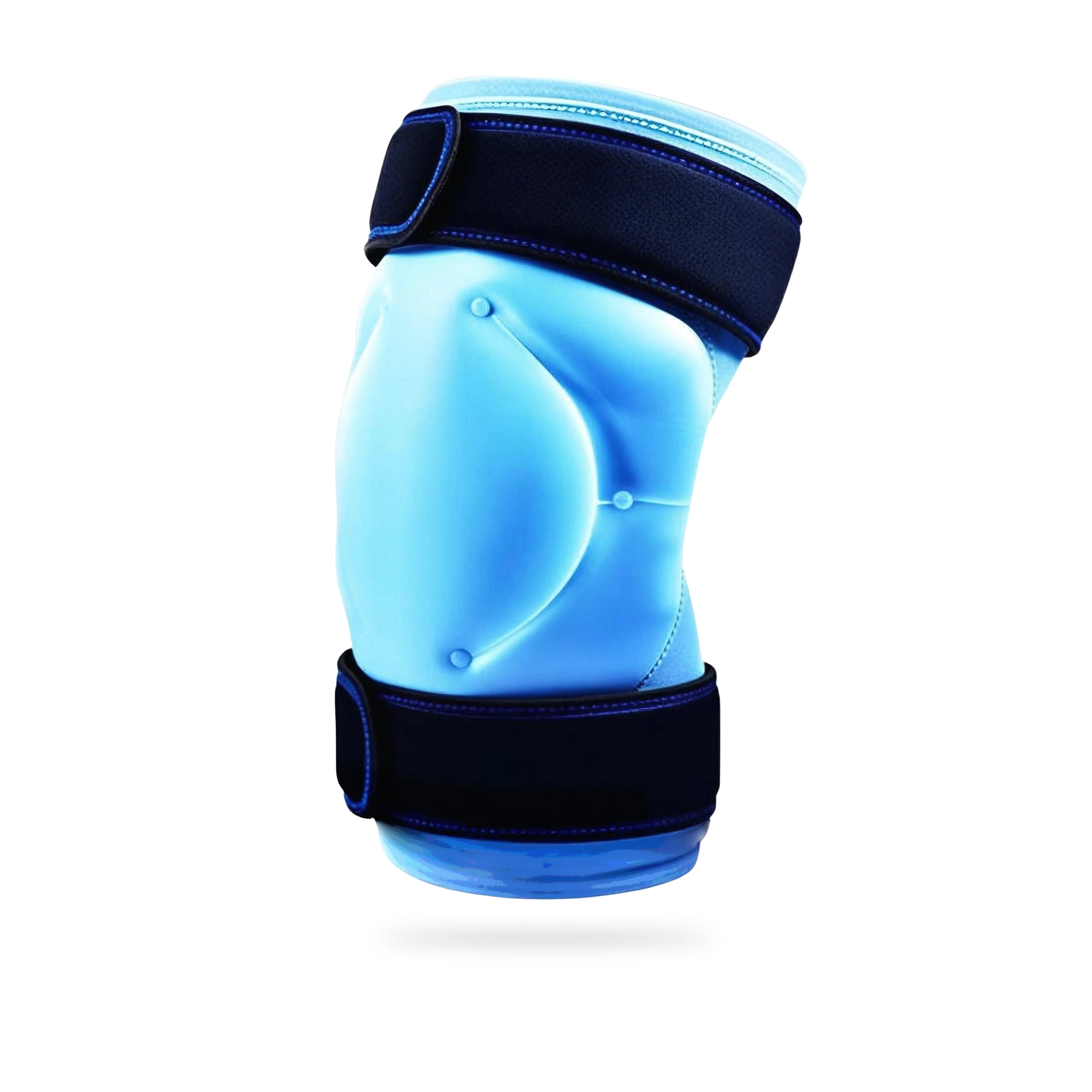
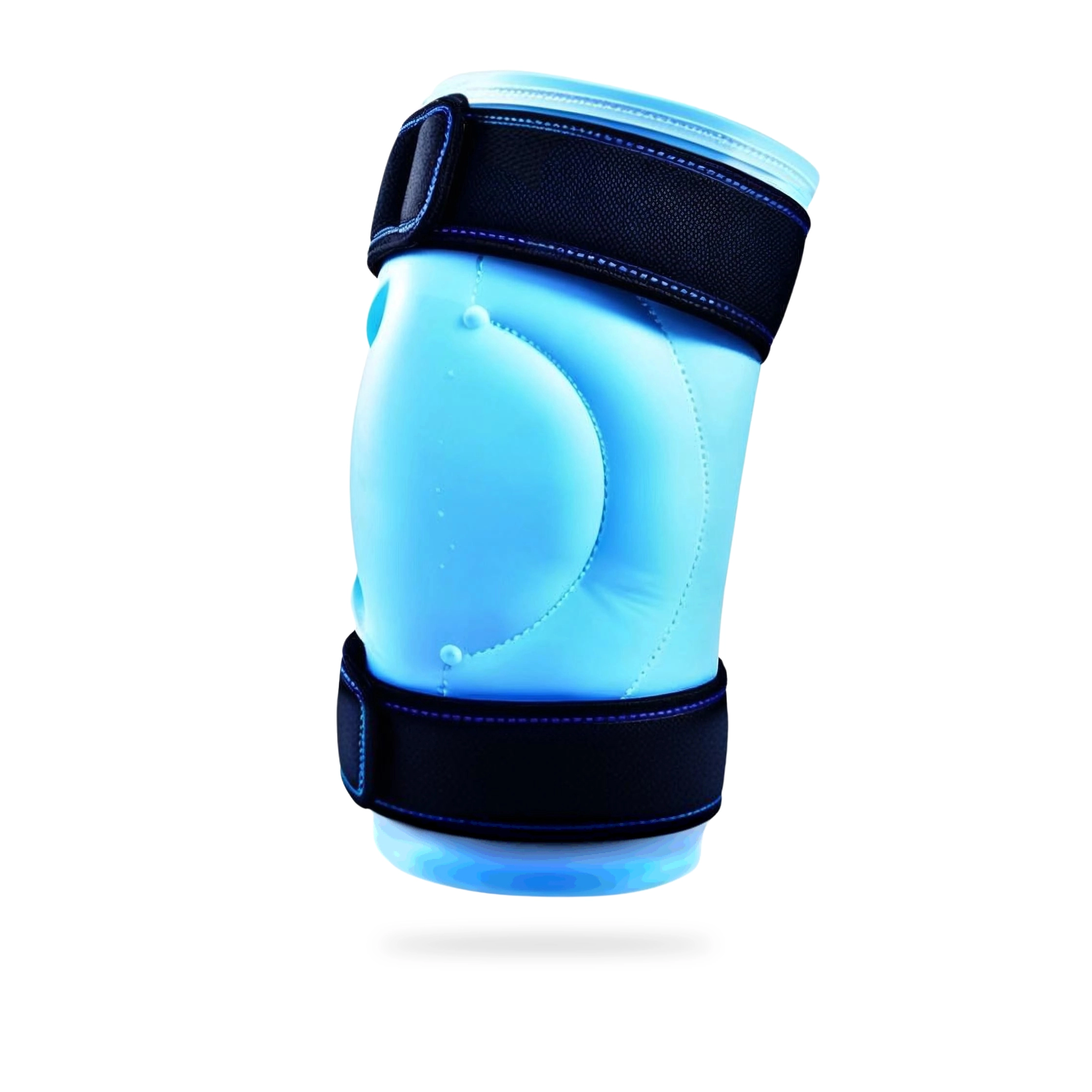
If you’ve just felt a sharp pain in your knee after a twist, jump, or sudden change of direction—and maybe heard a pop—followed by swelling, stiffness, or a sense that the knee might give way, you may be dealing with an Anterior Cruciate Ligament (ACL) injury. You want a plan that helps you move with confidence again. A functional ACL brace—such as the KneeReviver brace—can give you immediate, practical support while you get a clear diagnosis and start rehabilitation. It is not a cure, but it is a key part of a responsible, effective approach.What’s going on in your kneeThe ACL is one of four main ligaments that connect your thigh bone to your shin bone. Its job is to limit forward slide of the shin and help control rotation. When the ACL is overstretched or torn, the knee often feels unsteady during turning, cutting, or landing. About half of ACL injuries occur alongside other problems—such as meniscal tears or bone bruising—so getting the diagnosis right matters because it shapes your next steps.Why ACL injuries happenIn running, field, and court sports, most ACL tears happen without a direct blow (about 60–70%). The typical patterns are straightforward:Rapid slow‑down and change of direction (non‑contact pivot): You plant your foot to cut or sidestep. The knee can dip inward (valgus) and rotate while the quadriceps pull the shin forward (anterior tibial translation). Fatigue and reduced hip/knee control raise the load on the ligament.Jump‑landing with a relatively straight knee: Landing with less knee bend increases the forward pull on the shin. If trunk and hip control are off, the knee may also drift inward and twist, further stressing the ACL.Direct contact: A force to the outside of the knee while your foot is planted can push the joint inward and rotate it at the same time. These injuries are more likely to involve other ligaments as well.What you’re likely noticing nowMany people describe a pop at the time of injury, but not everyone hears it. Pain often comes on straight away. Swelling commonly appears within a few hours due to bleeding in the joint. The knee may feel unsteady, especially when you turn, and it can be hard to fully straighten or bend. These signs suggest a significant internal knee injury. They are not specific to the ACL alone, which is why testing is important.Getting a clear diagnosisYour clinician will ask how the injury happened and examine your knee. Specific tests (Lachman, anterior drawer, pivot‑shift) assess the ACL. Imaging refines the picture. An MRI can confirm an ACL tear and check for associated injuries. X‑rays may be used to rule out fractures after acute trauma. If pain and swelling limit the examination, there is usually a short protection phase before a fuller assessment. This step matters because associated injuries influence treatment and timelines.Your recovery plan: start with a brace, rebuild with rehab, consider surgery only if neededIt is normal to feel unsure right now. The good news is you can begin a clear plan today. Start with a functional knee brace for immediate support. Then build strength and control with rehabilitation. Consider surgery only if the knee keeps giving way or your sport demands it.Begin with a braceA functional, hinged ACL brace—such as the KneeReviver brace—adds instant stability and often reduces the “giving way” feeling. That extra control helps with walking, stairs, uneven ground, and early exercise. Fit it so the hinges line up with the centre of your knee and the straps are snug but comfortable. Wear it for everyday tasks and light training, such as short walks, gentle step‑ups, and easy cycling. You should notice more control when you turn, step down, or get up from a chair. As your knee becomes stronger and steadier, you can use the brace less for low‑risk tasks and keep it for movements that feel harder, like quick turns or short jogs.Rebuild with rehabilitationEarly goals are to reduce swelling, regain full straightening and bending, and re‑activate the thigh muscles. Simple examples include heel slides, gentle knee extensions, quadriceps squeezes, calf pumps, and short, frequent walks while wearing the brace. As pain and stiffness improve, move to strength and balance work: bridges, sit‑to‑stand from a chair, step‑ups, band walks, single‑leg balance near support, and steady cycling. If running or sport is your goal, later stages add a gradual return to jogging, small hops, and controlled direction‑change drills. Progress when symptoms are manageable, swelling is under control, and your strength and movement are close to your other leg. Your clinician can set clear targets to guide this.Consider surgery only if neededDiscuss ACL reconstruction with your clinician if your knee still gives way after a solid period of rehabilitation, if you plan to return to high‑demand sports that require quick direction changes and sharp turns, or if there are other injuries that need repair (such as a meniscal tear). After reconstruction, most people need at least 9 to 12 months before returning to sports that involve turning and jumping. A brace can help with comfort and confidence during this phase, but return to sport only when objective testing shows your injured leg is close to your other leg (about 90% on strength and hop tests) and your movement is well controlled—not simply because a certain number of months has passed.How a hinged knee brace helps day to dayStability you can feel: Limits sudden forward slide of the shin and excessive twist, which often reduces the “giving way” sensation.Confidence to move: Helps you feel safer on stairs, uneven ground, and during early drills so you keep progressing rather than holding back.Support for rehab: Makes strength and balance work more comfortable while symptoms improve, helping you train consistently.Real‑world use: Useful for work tasks that involve turning, kneeling, or carrying loads, and for early return to controlled exercise.Know the limits: A brace does not heal a torn ACL and, on its own, does not reliably prevent re‑injury after surgery. It works best as part of a full plan.Choosing, fitting, and using your braceType: Choose a hinged, functional brace if you need better control of rotation and forward slide; a simple sleeve adds compression but less control.Fit: Size it correctly, align the hinges with the centre of your knee, and tighten straps so they are snug but not restrictive. An under‑sleeve can protect the skin.Activity match: For sport or heavier tasks, a lightweight brace with a rigid frame and solid hinges is ideal; for daily wear, a lower‑profile design is often more comfortable under clothing.How to use it: Wear the brace for tasks that challenge stability—stairs, uneven ground, longer walks, and early drills. As your strength, balance, and movement improve and you meet agreed targets, taper use for low‑risk activities.Prevention and risk: stay safe as you returnAs you build strength with rehab and use your brace for support, it helps to know when the knee is under the most strain and how to lower your risk in the weeks and months ahead.Who is more at riskMovements with quick direction changes, sharp side‑steps, sudden stops, and jumps place higher load on the ACL.Women have a higher rate of ACL injury than men in comparable sports (about two to three times in several studies).A previous ACL injury increases the chance of another tear, especially in the first two years after you return to sport. These are broad trends, not certainties. With good preparation, a careful step‑by‑step return, and smart use of a brace during higher‑risk movements, you can shift the odds in your favour.What lowers your riskNeuromuscular warm‑ups: Regular practice of landing control, turning technique, balance, and torso control can reduce ACL injuries by about 50% in at‑risk groups when done consistently.Strength balance: Build hamstrings and glutes to balance quadriceps‑dominant patterns and limit forward slide of the shin (anterior tibial translation).Train when a little tired: Practise change‑of‑direction and jump‑landings near the end of a session, as many injuries happen when fatigue sets in.Stepwise return: Add running, cutting, and contact only after you meet clear strength and function targets—often aiming for about 90% of your other leg on strength and hop tests, with controlled, confident movement.How your brace helps hereEarly return: Wear a functional, hinged brace for higher‑risk tasks (side‑steps, shuttle runs, small hops, uneven ground) while you rebuild control.Daily life and work: Use it for tasks that involve turning, kneeling, carrying loads, or ladder work where stability matters.Tapering: As you hit your targets and feel steady, reduce use for low‑risk activities and keep it for the challenging ones.Practical steps you can take nowWear the brace when you are up and moving to add stability; you don’t need it at rest unless advised.Keep walks short and frequent; elevate your leg when you rest; use brief cold therapy if it helps.Begin gentle exercises like heel slides and quadriceps squeezes; add easy cycling, bridges, sit‑to‑stand from a chair, and step‑ups as pain allows.Stop any activity that causes sharp pain or a clear increase in swelling, and progress gradually.Seek urgent help if you cannot put weight on the leg, if the knee locks, if swelling becomes severe within hours, or if the foot feels numb or changes colour.Next, meet the KneeReviver ACL knee brace. You’ll see how its dual hinges, targeted compression, patella‑support pad, secure strapping and size options, breathable materials, and anti‑slip design work together to support your recovery and day‑to‑day confidence.Show moreShow lessIntroducing the Innovative KneeReviver ACL Knee Brace: Your Key to a Speedy and Effective RecoveryImagine experiencing improved stability, control, and function in your knee after an Anterior Cruciate Ligament (ACL) injury. With the groundbreaking KneeReviver ACL knee brace, this isn’t just a possibility – it’s a reality. Let’s dive into the exceptional features and benefits of this cutting-edge brace!Unparalleled Support and ProtectionThe hinged KneeReviver ACL knee brace has been thoughtfully designed to deliver maximum support and compression to your ACL. It features dual hinges on either side of the brace, creating an unparalleled support system for your knee joint. This enhanced stability and control not only bolster your recovery but also prevent further damage to your ACL and knee joint. The brace acts as a safeguard, alleviating excessive strain and pressure from your knee joint, allowing for a more thorough and efficient recovery.But why is this so crucial? ACL injuries can be grueling, and recovery is often slow. The KneeReviver knee brace provides the stability your knee needs, reducing the risk of improper movement and potential further harm.Compression: Your Secret WeaponThis brace is not just about support and prevention; it’s also about healing. And that’s where its targeted compression comes in.The KneeReviver brace provides targeted compression, a critical component for successful recovery. Compression aids in reducing inflammation and increasing blood flow. The increased circulation delivers essential nutrients to the injured area, accelerating the healing process and reducing pain and discomfort. It’s a simple, powerful way to expedite your journey to recovery.Extra Protection with Silicone Gel Knee PadBut there’s more. This brace incorporates a silicone gel knee pad that provides soothing compression and extra protection to your kneecap and patella tendon. It improves patella tracking—the movement of the kneecap in a groove in your knee joint. When your patella stays in the groove as you move your knee, your knee functions well. The pad helps to ensure this smooth movement.Recommended for Different Injuries & ConditionsThe KneeReviver ACL knee brace isn’t just perfect for ACL injuries. It’s also effective for recovery and rehabilitation from Medial Collateral Ligament (MCL), Posterior Cruciate Ligament (PCL) injuries, dislocations, chondromalacia or irritated kneecap, patellar tendonitis, sprains, strains, meniscus tear, gout, arthritis, and knee instabilities.Don’t just take our word for it though! According to a study published in the Journal of Orthopaedic & Sports Physical Therapy, knee braces effectively reduce pain and improve function in people with knee osteoarthritis. Another study from the Archives of Physical Medicine and Rehabilitation points out that braces can benefit athletes with ACL injuries by reducing the risk of recurring injury.A Perfect Fit for AllTired of knee braces that are either too small or too loose? The KneeReviver knee brace is available in Medium, Large, XL, and XXL, ensuring there’s a perfect fit for everyone, including people with plus-size legs who often struggle to find a suitable brace. Don’t let your knee brace be another source of discomfort. The KneeReviver ACL Knee Brace guarantees a snug fit, no matter your size.With two fully adjustable Velcro straps and secure buckles, you can easily tailor the brace’s fitting, support, and compression to your comfort. This easy adjustability ensures that the brace remains firmly in place, offering consistent support throughout the day.Lightweight and BreathableDesigned for comfort & convenience, the KneeReviver ACL brace is lightweight and breathable, making it perfect for carrying out your day-to-day activities. Whether you’re running errands or running on a field, this brace ensures that you’re always supported without compromising on comfort.Ergonomic Design for Superior ComfortThe KneeReviver ACL knee brace boasts an ergonomic design that conforms to the natural shape of your leg. This ensures that the brace fits snugly without causing discomfort or irritation. The contoured shape aligns seamlessly with your knee’s anatomy, providing a balanced distribution of pressure and support. This thoughtful design not only enhances comfort but also ensures prolonged wearability, making it ideal for extended use during rehabilitation and everyday activities.Anti-Slip TechnologyOne common issue with knee braces is slippage, especially during high-intensity activities. The KneeReviver ACL knee brace tackles this problem with advanced anti-slip technology. The interior of the brace is lined with non-slip silicone strips that grip your skin gently but firmly. This feature ensures that the brace stays in place, providing consistent support without the need for constant readjustment. Whether you’re engaging in sports or day-to-day tasks, you can rely on the KneeReviver brace to stay securely in position.Moisture-Wicking FabricSweat buildup under a knee brace can cause discomfort and skin irritation. KneeReviver addresses this with a high-performance, moisture-wicking fabric that keeps your skin dry and comfortable. The breathable material allows for optimal air circulation, preventing heat and moisture retention. This feature is particularly beneficial during physical activities, ensuring that you remain cool and dry, thus enhancing overall comfort and wearability.Customizable Compression LevelsDifferent stages of recovery may require varying levels of compression. The KneeReviver ACL knee brace comes equipped with adjustable straps that allow you to customize the compression to your specific needs. Whether you require tighter compression for acute injury phases or lighter compression for maintenance and prevention, this feature provides the flexibility to adjust the brace as needed. This adaptability ensures that you receive the exact level of support necessary for your current condition.Reinforced Stitching for DurabilityDurability is a crucial aspect of any medical support device. The KneeReviver ACL knee brace features reinforced stitching that enhances the overall durability of the product. High-stress areas are double-stitched to prevent wear and tear, ensuring that the brace can withstand rigorous use. This robust construction guarantees that you will have a long-lasting, reliable support system through your entire recovery journey and beyond.Easy to Put On and Take OffConvenience is key when it comes to medical devices. The KneeReviver ACL knee brace is designed so you can easily put it on and take it off. Its simple design allows you to do this quickly and effortlessly, even if you have limited mobility or dexterity. This user-friendly design ensures that you can adjust or remove the brace as needed, without any hassle, making it a practical choice for daily use.Our Guarantee to YouWe’re so confident in the effectiveness of this ACL Knee Brace that we offer a full 30-day money-back guarantee. This innovative brace is your ticket to a speedy and effective recovery. Try it now and experience the difference!Elevate Your Recovery and Protection with KneeReviverChoosing the KneeReviver ACL knee brace means investing in unparalleled support, targeted compression, and advanced protection for your knee. Its dual-hinge design and silicone gel knee pad provide exceptional stability and comfort, reducing pain and expediting your recovery. Whether you’re dealing with an ACL injury or other knee conditions, KneeReviver’s brace offers a tailored fit and adjustable support for every need. Don’t let knee pain hold you back; trust in KneeReviver to safeguard your journey to recovery and reclaim your active lifestyle with confidence.Disclaimer:At NuovaHealth, we are confident in the effectiveness of the KneeReviver ACL knee brace and believe it can support your knee health. However, if you are experiencing persistent or unexplained knee pain, or have recently suffered a knee injury, it is essential to consult a doctor. Self-diagnosis can be misleading and delay appropriate treatment. A healthcare professional can provide an accurate diagnosis, identify the cause of your pain, and recommend the best treatment options tailored to your needs.Knee pain can sometimes indicate serious health conditions, including cancer or other ailments that require specific treatments. Getting an accurate diagnosis and starting prompt treatment is vital for your overall health and well-being. A doctor can also advise if wearing a knee brace, such as the KneeReviver, is appropriate for you and how it fits into a comprehensive treatment plan.Treatment plans for knee-related injuries and conditions often include a combination of therapies. A doctor might recommend physical therapy to strengthen the muscles around your knee, medications to manage pain and inflammation, or lifestyle changes such as weight management and low-impact exercises. In some cases, surgical options might be necessary.Your health and well-being are our top priorities. Our goal is not just to sell a knee brace but to offer a product that genuinely helps you. Consult with your doctor to ensure that the KneeReviver ACL knee brace is part of an effective, broader treatment plan designed specifically for you.
Bodycare