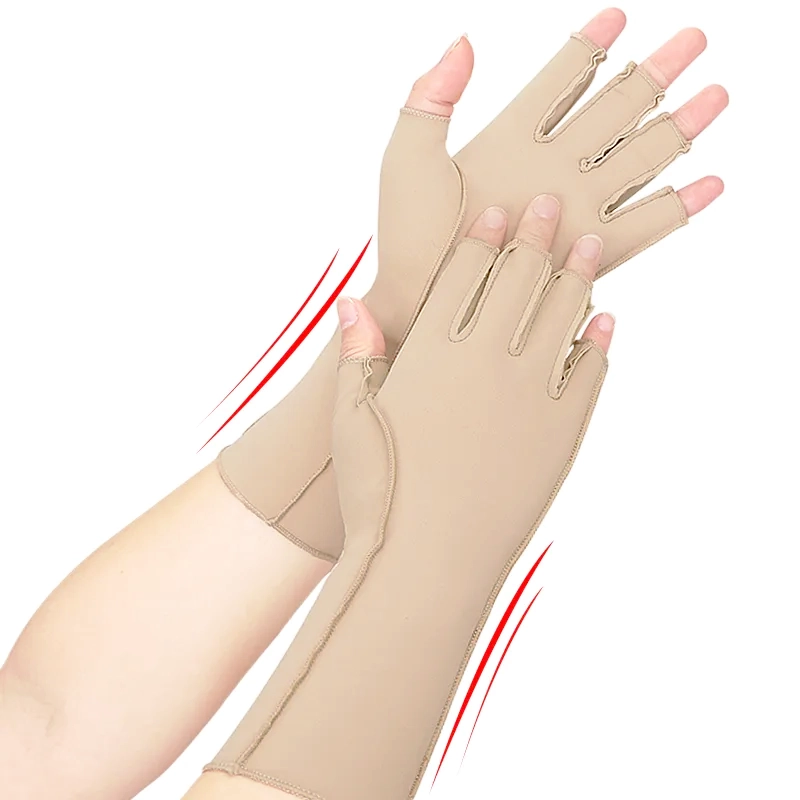
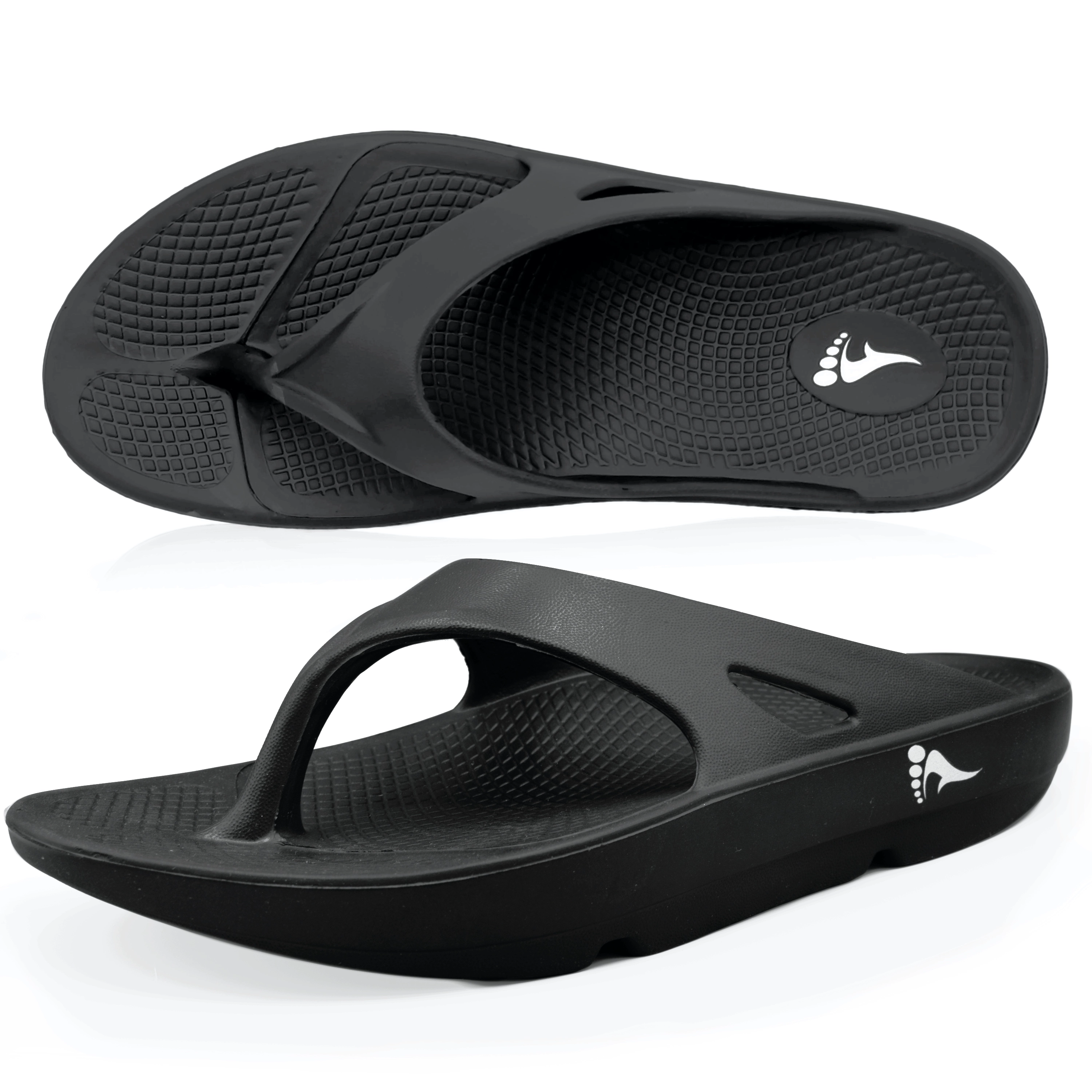
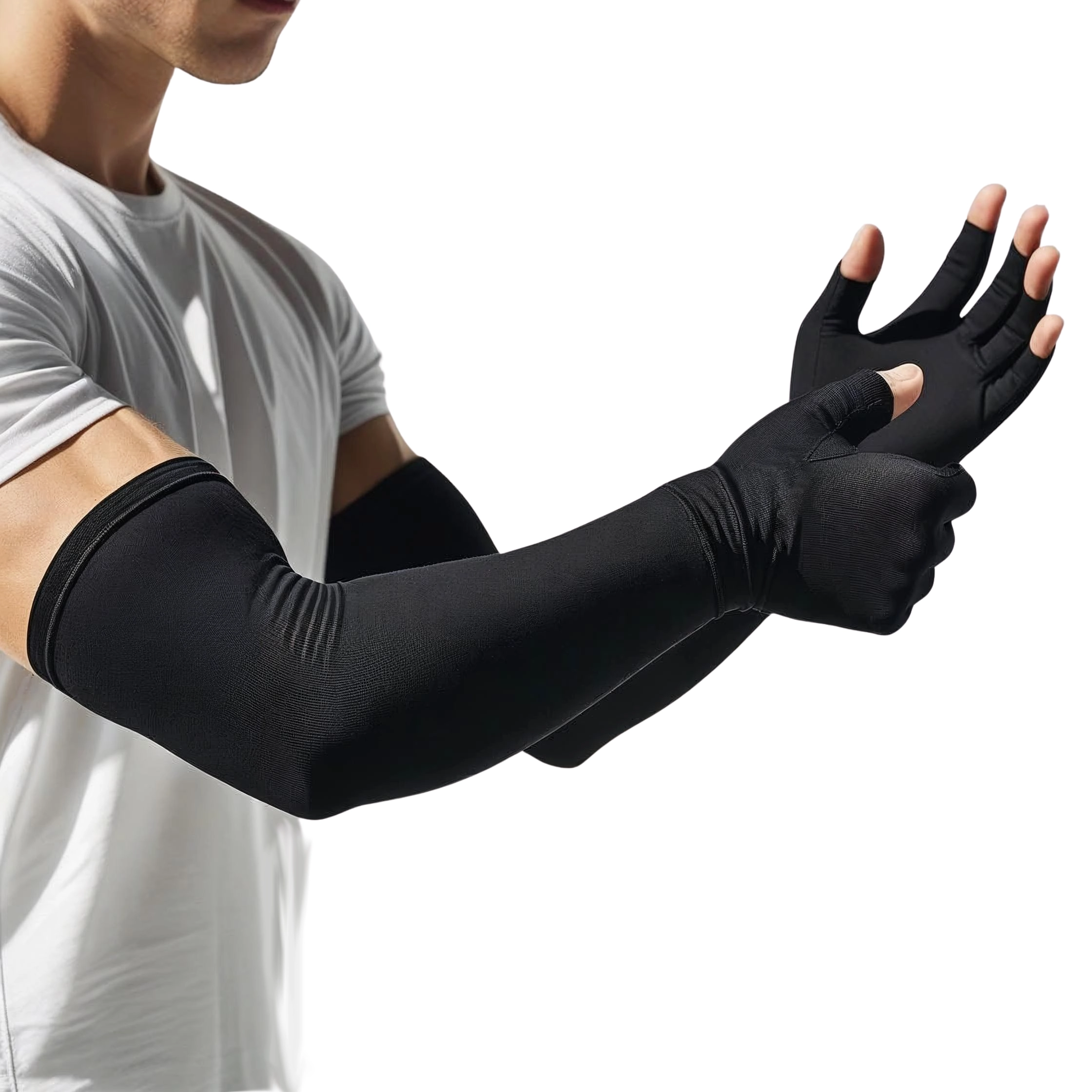
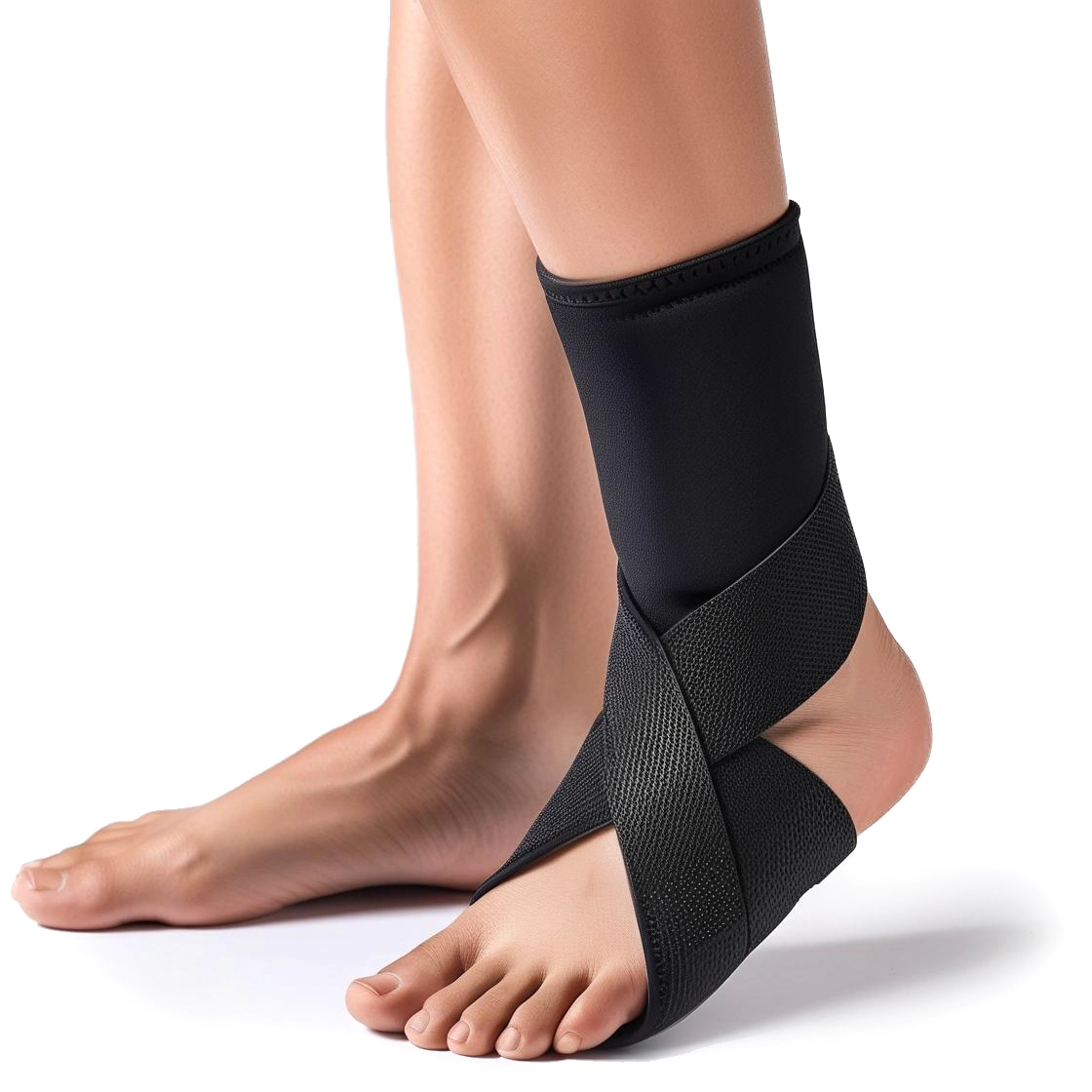
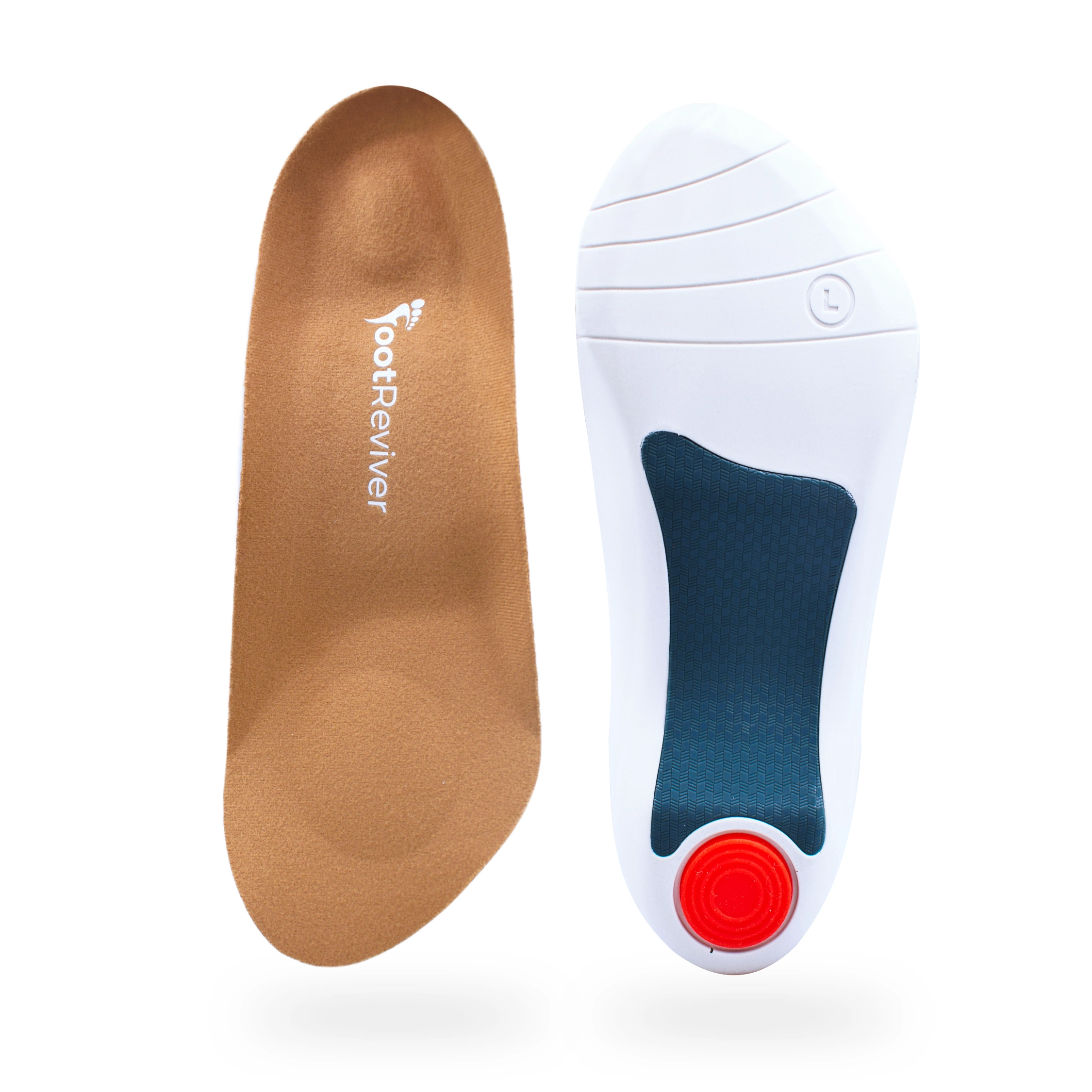
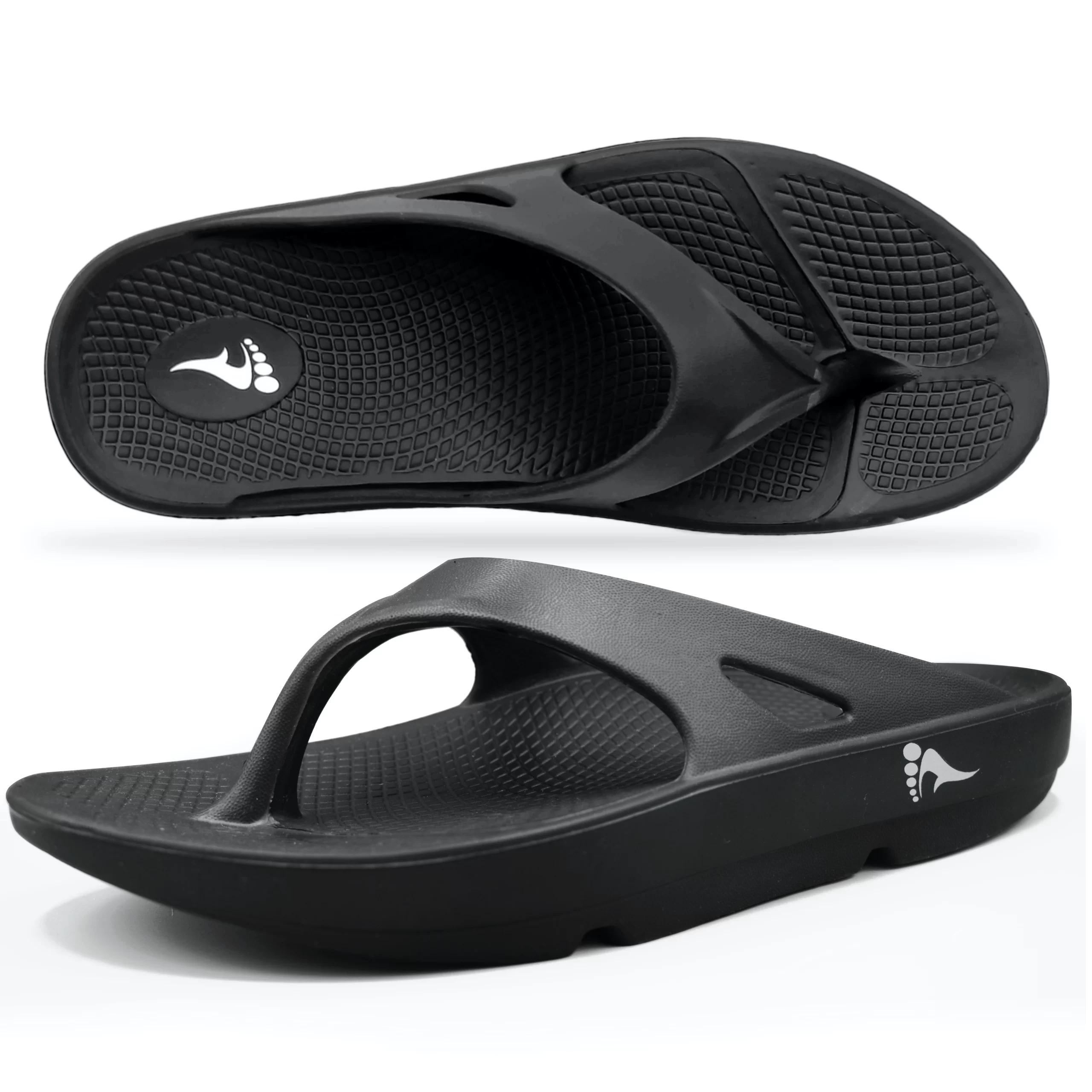
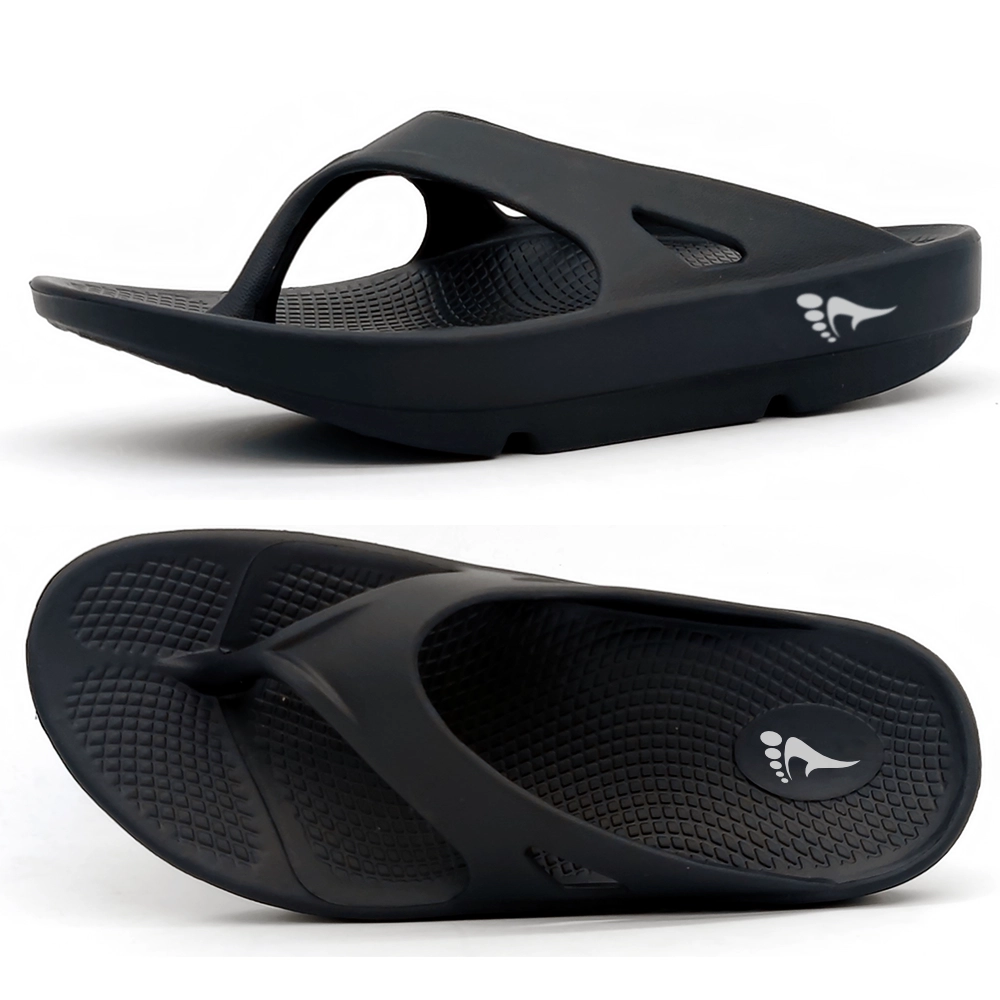
Plantar Fasciitis Arch Support 3/4 Length Heel Pain Relief Insoles
$13.75
$16.64
FootReviver Arch Support Insoles for Plantar FasciitisDo you ever wake up with a sharp, stabbing pain under your heel? That first step out of bed can tell you a lot about how your heel is coping. You might also notice a dull ache that builds after standing for long periods or following exercise. When heel pain flares, every step can feel cautious, and even simple tasks start to take more effort. The right support inside your shoes can ease strain on sensitive tissues and help you move more comfortably as you recover.Foot pain can drain your energy and make it harder to enjoy daily life. FootReviver Arch Support Insoles are designed to support your arch, steady your heel, and soften impact so walking and standing feel easier. They work best when used regularly, alongside gentle stretching and gradual adjustments to how long you spend on your feet. Together, these steps can help calm symptoms and support a steady return to normal activity with fewer pain flare‑ups. Understanding what’s happening under your heel can make recovery feel more straightforward and manageable.What is plantar fasciitis?Plantar fasciitis is irritation of the plantar fascia — the strong band of tissue under the foot that runs from the heel bone (calcaneus) to the bases of the toes and supports the arch. It helps control how much the arch flattens and stores elastic energy as you push off when walking or running. Repeated small strains where it attaches near the inside edge of the heel can make the tissue sensitive and sore. Over time, the fascia may become less able to manage everyday strain. Consistent arch support and slowly increasing activity help the tissue adapt and strengthen more effectively than complete rest.How common is plantar fasciitis?Plantar fasciitis is one of the most common causes of heel pain in adults. It often appears in people who spend long hours on their feet, after a sudden increase in walking or running, or when starting or returning to sports that involve repeated running and jumping. A typical pattern is heel pain with the first few steps in the morning that eases as you move, then returns after a long day or the morning after heavier activity. Many active adults experience it at some point, often after a change in routine, footwear, or surface.Key mechanics — why it hurtsDuring gait — whether walking or running — as your foot pushes off from the ground, your toes lift and tighten the fascia — a normal process called the windlass mechanism. If the fascia is sensitive, this tightening can feel sharp along the inner heel, especially after rest. When the arch flattens or the heel tilts inward, the fascia is pulled more firmly where it attaches to the heel bone, making each step feel tighter. The strain increases on hard floors or after long periods standing still. Limited ankle movement and tight calf muscles add to this pull as the foot rolls forward over the planted heel. These combined effects explain why pain is often sharp with first steps and can return after heavier use — and why steady arch support helps reduce that strain.Who is more at risk and whyRisk increases when the fascia is placed under more strain than it can comfortably manage. People who run or play sports with repeated running, jumping, and quick direction changes — such as football, basketball, and tennis — have higher risk because these movements increase strain on the arch and inside edge of the heel. Jobs or routines that keep you standing or walking for long periods gradually add strain. Frequent stair climbing or lifting heavy loads also adds pressure through the arch and heel. Other factors include limited ankle movement, tight calves, higher body weight, very flat or very high arches, and footwear or surface changes such as switching to less cushioned shoes or spending more time on hard ground. Not giving your feet enough recovery time — for example, long shifts without breaks or several demanding training days in a row — can keep the fascia sensitive. During pregnancy, changes in weight and foot posture sometimes add to the strain. Spotting these signs early helps you make small changes before pain becomes persistent.Symptoms and tell‑tale signsA sharp heel pain when you first stand after sleep or sitting (often eases as you move).Tenderness just in front of the inside edge of the heel.Stiffness that reduces as you warm up.Pain that returns after a long day or the morning after heavier activity.A small area of warmth or swelling near the heel.It can be frustrating when pain eases, then returns the next day — that pattern is typical of plantar fasciitis.When to seek careA sudden “pop” with immediate pain and bruising under the arch or inside edge of the heel.Sudden, severe heel pain after a jump, stumble, or mis‑step.Numbness, tingling, or burning spreading into the foot.Redness, marked heat, or fever with heel pain.Pain that persists or worsens despite several weeks of simple measures such as stretching, supportive shoes, and avoiding long periods on solid flooring.If you’re unsure, it’s always worth checking with a clinician.Simple checks (not a diagnosis)Pressing the inner front of the heel often brings on the same soreness. Lifting the big toe tightens the fascia and can reproduce the same spot of pain. A gentle squeeze of the heel pad that causes a deep, sore pain points to fat‑pad irritation rather than fascia strain. Comparing both feet can help you notice what feels different. A clinician can confirm this pattern during an examination. Imaging is rarely needed early on unless warning signs are present or symptoms persist despite these steps. These checks help you understand what you’re feeling, and a clear diagnosis and plan help you focus on the right causes and next steps.Conditions that can look similarFat‑pad irritation causes a deep, sore pain, especially on firm surfaces, and can occur alongside plantar fasciitis if you change your walking pattern to avoid the inside edge of the heel. Baxter’s nerve irritation (a small branch near the inner heel) may cause burning or tingling; swelling and altered load from plantar fasciitis can make this nerve more sensitive in some people. A calcaneal stress injury often hurts with impact and with a firm squeeze of the sides of the heel; it is more likely after sharp training increases or when pain leads you to strike the ground differently. Nerve entrapment around the inner heel can cause burning or tingling without the classic “first‑step” pattern. If several joints feel stiff for long periods in the morning, it may suggest an inflammatory condition and needs medical input. The exact pain location and whether lifting the big toe reproduces the same spot are useful clues that help distinguish plantar fasciitis from other causes of heel pain so you can get the right plan early.Why acting early helpsPersistent pain can change the way you walk and shift stress to the knees, hips, or back. Early, simple steps — such as steady support, adjusting how long you’re on your feet, and gentle movement exercises — can reduce the duration of painful periods and make walking and standing more comfortable. Acting early also reduces the chance of additional strain on the knees or hips caused by altered walking, and it supports confidence in moving normally again as symptoms settle with a steady, controlled approach. Start small, keep steady, and build up gradually. That’s usually when people start to notice improvement.Treatment and prevention (practical steps)Most people improve with a few simple, practical steps. Once you understand what’s causing the pain, the next step is to ease pressure and help the tissue cope better with daily activity.Adjusting activity levels: Reduce the activities that increase pain, add short rest breaks, and gradually increase walking or standing time by small amounts every few days, as long as pain stays mild. Aim to increase by roughly 10–20% per week.Stretching: Use calf and plantar fascia–specific stretches, especially before first steps and after long sitting. Keep stretches gentle and regular, not forceful, to reduce stiffness and first‑step pain.Supportive footwear: Choose shoes with a firm heel section that holds the back of the foot steady, firm support beneath the arch and mid‑foot, and adequate cushioning. A slight difference in height between the heel and toe can ease pull at the inside edge of the heel. This prevents the heel from tilting too far inwards and reduces pressure under the heel.Arch support insoles: Guide motion, steady the heel, and reduce pulling on the fascia when used regularly alongside stretching and activity adjustments. Wear them in your main shoes; start with short periods, then gradually increase wear time until you use them in your everyday shoes. Regular use of supportive insoles reduces heel pain and makes walking more comfortable by lowering strain on the fascia and spreading pressure more evenly.Strength and loading: Perform progressive calf raises and foot exercises two to three times per week (for example, three sets of eight to twelve repetitions), increasing load steadily as comfort allows. Stronger calf and foot muscles spread the load more evenly so the fascia is less stressed.Return to running or sport: Reintroduce running with a level walk–run plan on softer surfaces; avoid hills and speed work early. Warm up your calves and feet before activity and include a short cool‑down afterwards. Increase weekly time or distance by about 10% as symptoms allow, keeping next‑day pain no higher than mild.Short‑term options: Arch taping (supportive tape applied under the arch) can temporarily offload the fascia and ease pain during flare‑ups. Night splints (braces that hold the ankle gently flexed overnight) may ease morning pain. Ice can provide temporary relief for a few hours after activity.Clinical options (if needed): Shockwave therapy (a treatment that uses sound waves to stimulate healing in the fascia) can help in stubborn cases that persist beyond several months of conservative care. Injections may provide short‑term relief but should be used cautiously, as steroid injections can thin the heel’s protective fat pad and, in rare cases, weaken the fascia itself. They’re best considered after assessment and a clear discussion of benefits and risks.How arch support insoles help — gait cycle and core mechanismsWhen your heel first touches the ground: Cushioning softens the impact each time your heel touches the ground, and a shaped heel section (the deep heel cup) keeps the heel centred so the foot does not tilt too far inwards. Because landings are gentler and more aligned, first steps and long periods on solid flooring feel easier.As your weight moves over your foot: A firm but slightly flexible base supports the arch while the heel stays aligned, reducing pulling where the fascia joins the heel as you roll forward.When you push off with your toes: Guided motion limits excessive arch flattening and twisting as the toes lift, so the fascia tightens without a sudden increase in strain. Together, these effects mean the inside edge of the heel and arch experience less strain across the day — especially on firm surfaces and during longer periods on your feet — so symptoms have a better chance to settle alongside slowly increasing activity levels.How they work in plain termsSupport the arch: Reduces excessive flattening and the tension that tugs where the fascia joins the heel, helping it work in a natural position where the arch isn’t overly flattened or raised.Cushion and distribute load: Softens impact and spreads pressure across a wider area to reduce pressure points at the heel and arch, improving comfort over longer walks and on firm surfaces.Stabilise the heel: A shaped heel section holds the back of the foot steady for a smoother path through each step, reducing abrupt inward tilt and related strain.What to expectFor many people, heel pain with first steps starts to ease within one to two weeks of regular use; comfort on firm surfaces and longer walks often improves over two to four weeks. Mild arch or calf fatigue in the first few days is common and usually settles as you adapt. Everyone responds differently, but regular use makes the biggest difference. Most people notice those first few steps become easier within a few weeks.Evidence for insoles in plantar heel painClinical guidance supports using arch support insoles together with stretching and gradually adjusting how much time you spend on your feet. Regular use reduces strain on the plantar fascia, easing heel pain and making walking easier over the following weeks. Studies comparing supportive insoles with minimal inserts show that cushioning and arch control reduce pressure under the heel and make daily walking and standing more comfortable. If progress stalls despite regular use, a clinician can reassess contributing factors and consider other options. The key is finding a routine you can maintain comfortably. With consistent use, most people regain movement that feels easier and more natural.Show moreShow lessFootReviver Arch Support Insoles — steady your heel, support your arch, ease each stepFootReviver insoles are built to support you where it matters most — keeping your heel steady, your arch supported, and each step cushioned from the first to the last. Each design detail is chosen for lasting comfort you can feel through a full day on your feet. The result is a smoother, more confident step whether you’re on hard floors, walking between tasks, or standing for long periods — with fewer sharp first steps and steadier comfort as the day goes on. If you’ve ever felt that sharp heel twinge after sitting, you’ll notice the difference straight away.Firm yet flexible arch support shellA firm yet slightly flexible arch support sits beneath the midfoot, guiding it as you roll forward. By holding its curve, it prevents the arch from flattening too much under pressure, easing the pull along the inner edge of the foot where the plantar fascia attaches. You’ll feel steady contact under the arch rather than a hard push, allowing a natural roll through each step without that unstable feeling that makes small foot muscles work overtime. During long periods on your feet, this stable platform helps absorb repeated impacts so each step feels smoother and less tiring.Deep heel cup for steadier stepsThe deep, contoured heel cup cradles the heel bone and keeps it centred as it meets the ground. When the heel stays centred, side‑to‑side wobble reduces and twisting at the inner heel lessens — important because sensitive tissues attach along that area. The cup also spreads load over a wider surface, so each landing feels softer and more controlled instead of concentrating pressure in one sore area. On uneven or sloped surfaces, this centred start to each step allows the arch support to work effectively and reduces sudden sharp heel pain. The result is steadier footing you can rely on from morning to evening.Gentle inner‑edge lift for guided alignmentA subtle lift along the inner edge under the rearfoot and midfoot helps guide the heel and arch back into a neutral position as you roll through each step. This gentle alignment support, known as medial posting, uses a small inner lift to reduce excess inward tilt without forcing a rigid position. Because the lift blends smoothly into the shape, it feels natural and balanced underfoot, even when you’re tired or walking on uneven ground. Keeping movement within a controlled, comfortable range helps reduce extra strain around the inner heel, the arch, and along the plantar fascia later in the day. You may notice less rolling on uneven ground and a smoother transition from heel touch to push‑off.Anatomically shaped footbedThe footbed follows the natural curves of your heel and midfoot to keep contact under the arch steady through each step. Continuous contact spreads pressure more evenly, lowering stress on sore points and reducing the need for your toes to grip for balance. This balanced support allows your shoes to flex naturally while keeping your foot steady, so you get stability without stiffness. During long hours of standing or walking, this even contact helps maintain comfort, reducing the tired, sinking feeling that can build up later in the day and making your stride feel more deliberate and less tiring.Built‑in heel padA built‑in heel pad sits inside the cup to absorb the initial shock of impact and spring back for the next step. Because it compresses slightly under load, it spreads pressure across the heel and lowers peak forces at the centre point where tenderness often flares. Keeping this pad integrated and centred smooths the transition as your weight moves over the foot, so you don’t feel a jolt followed by a drop. On first steps in the morning, after long sitting, or when moving from carpet to hard floors, that extra cushioning makes landings feel gentler and reduces heel fatigue by late afternoon while keeping the firm support your arch and heel rely on.Dual‑density foam baseThe base combines softer cushioning at impact zones with slightly firmer support where the midfoot bears weight. This design gives you a cushioned landing that softens hard surfaces while the firmer section resists midfoot collapse as you roll forward. Because the base uses different firmness levels in key areas, you get comfort where you strike and control where you need it, rather than one uniform feel that’s too soft or too firm throughout. On days that involve standing, walking, and climbing stairs, this balance keeps steps feeling comfortable yet supportive, helping reduce localised sore spots and keeping the arch support working as intended.3/4‑length, slim 3 mm designThis insole is 3/4‑length and ends just behind the balls of the feet, supporting the heel and arch while leaving the forefoot free. Stopping at that point preserves toe room and avoids a ridge under the ball, allowing natural toe movement during push‑off. A slim profile around 3 mm with tapered edges blends smoothly into most everyday shoes, maintaining comfortable space inside the shoe and a seamless step‑off between insole and footwear. This means you can keep dependable heel and arch support in your favourite pairs — work, casual, or commute — and easily transfer the insoles between them without changing how the front of the shoe feels.Softly tapered edgesSoftly tapered edges create a smooth, low‑step transition from the insert to the shoe, so there’s no abrupt lip pressing on the toes or catching the edge of the sock. This clean edge helps your foot roll forward naturally and lets the forefoot flex as it should, reducing rubbing and the sense of a ridge near the front. During longer walks or frequent changes in pace, that smooth perimeter keeps the fit feeling secure and prevents small edge‑related irritations from building. The result is a more seamless underfoot feel and fewer distractions from minor pressure points as your day gets busier.Low‑profile metatarsal domeA low‑profile metatarsal dome sits just behind the balls of the feet to gently lift and support the forefoot from behind. By raising this area slightly, it encourages weight to spread more evenly across the forefoot and reduces the tendency to grip with the toes, which can concentrate pressure in one sore spot. The dome works with the arch support and heel cup to smooth the move from mid‑stance to push‑off, so push‑off feels more stable on hard floors and during quicker pace changes. Because the lift is subtle and shaped to support rather than force, it feels natural once you’re moving, helping to calm pressure under the central forefoot without crowding your toes.Textured underside for a secure fitA textured underside grips the shoe’s footbed so the insole sits flat and stays in place as you move. Keeping the base steady matters: when an insole shifts, edges may lift and create rubbing points, and foot alignment can shift just when tissues are sensitive. By holding position through turns, stairs, and quick changes of pace, the texture helps the heel cup stay planted and the arch support remain under the right spot. That means fewer mid‑day adjustments and consistent support throughout the day.Trim‑to‑fit sizing made simpleA printed forefoot template makes fine‑tuning length straightforward: trim small, smooth sections from the front only, then seat the heel cup flush at the very back of the shoe. When the front edge lies flat and the arch lines up under your foot, support feels tailored and edges stay smooth. Matching your second insole to the first ensures both sides feel identical, helping your hips and back share load evenly. Test the fit indoors by walking briefly to check toe room and edge smoothness. This simple setup step pays off in comfort and ensures the insole supports your foot as intended.Moisture‑managing fabric top coverA soft, breathable fabric top cover draws moisture away from the skin to help keep the surface drier during periods of activity. Drier skin means less rubbing and a lower chance of hot spots building at the arch or heel, and the smooth surface helps your foot sit securely on the support beneath. Because the cover moves moisture rather than trapping it, any odour build‑up is easier to manage with normal airing and wiping. In warm conditions or closed work shoes, this helps maintain comfort throughout the day so you can focus on your tasks instead of adjusting socks or worrying about discomfort creeping in.Perforated ventilation channelsSmall perforations through the midfoot allow air to circulate and give moisture a way out from between your sock and the insole. The holes sit away from the highest‑load zones, so the supportive shape stays intact while airflow improves. This light ventilation helps reduce heat build‑up under the arch on warmer days and keeps the insole feeling fresher during long hours in closed footwear. If your routine includes brisk walks between buildings or commuting in warm conditions, the extra breathability helps keep your feet more comfortable and reduces the moist, uncomfortable layer that can increase rubbing and distract from steady support underfoot.Consistent comfort in warm and cool conditionsThe support frame and cushioning keep a consistent feel in typical warm and cool conditions, so the insole doesn’t go overly soft in heat or overly firm in cold. That steady behaviour preserves the same guided support day after day. At the same time, the layered build helps manage temperature and moisture around your foot — moving moisture for a cooler feel when it’s warm, while the underfoot layers act as a gentle barrier to ground chill when it’s cool. The top surface is smooth against the skin to reduce irritation, supporting comfortable wear through long days without irritation.Add extra forefoot cushioning if neededBecause this insole is 3/4‑length and ends just behind the balls of the feet, the forefoot stays free. If you need extra cushioning or a different pressure balance, a slim removable metatarsal pad can be placed just behind the metatarsal heads. Keep it low‑profile, check that toe room remains free, and test indoors to confirm a smooth front edge and easy push‑off. This allows you to fine‑tune comfort in the forefoot while keeping the same steady heel and arch guidance you rely on. If the built‑in dome already feels comfortable, leave it as it is and enjoy a smooth, uncluttered fit.Who these insoles are forThese insoles are not just for plantar fasciitis. They support calmer, more stable foot mechanics in other load‑related foot and lower‑limb conditions by steadying the heel, supporting the arch, and reducing impact — so everyday movement feels easier. In this context, load means the amount of force or weight placed on the foot and leg during standing, walking, or movement. The moderate arch profile suits most feet, including slightly lower and higher arches, though very flat or very high arches may prefer a different profile.For Overpronation (excess inward roll)Why overpronation happensAs your heel lands, the foot naturally rolls inward a small amount to adapt to the ground, then firms up for push‑off. Overpronation is when this inward roll is greater or lasts longer than it should. The heel rolls inward, the arch stays flattened for longer, and the plantar fascia — the strong band running from heel to toes — is pulled more where it joins the heel bone. As the heel rolls in, the shin follows, which can twist the knee slightly inward and make steps feel less steady. Common causes include limited ankle movement when bending the foot upwards, tight calves, a midfoot that bends easily under load, thin or worn soles, firm surfaces, and long hours on your feet. The spring ligament and the tendon behind the inner ankle (posterior tibial tendon) then have to work harder to resist the extra roll.Common signs you might noticeA dull ache along the inside of the arch or ankle, worse later in the day or on firm surfaces.First‑step heel pain after rest or longer sits.Soreness on stairs or slopes after a busy day.Shoes wearing down faster along the inside edge.Simple self‑check (not a diagnosis)Stand barefoot near a wall or chair for balance.Do a small squat and watch your knees and arches; if the knees drift inward and the inner arch flattens, note it.Balance on one leg for 10–15 seconds; if the heel tilts inward or the arch collapses, note it.Rise gently onto your toes; if the heel rolls inward during the lift, note it.Stop if pain builds or spreads quickly. If these steps flatten the arch or tip the heel inward, excess inward roll is likely contributing. This is a guide, not a diagnosis — a clinician can confirm what’s happening.Other possible causesSupination (excess outward roll): outer‑edge wear and outer‑forefoot soreness with a tendency to roll outward on kerbs.Heel fat‑pad soreness: deep, central heel ache that worsens barefoot on tile and eases in softer shoes.Calcaneal stress injury: a pinpoint, sharply tender heel spot that worsens with a gentle hop.Tarsal tunnel (nerve): tingling or numbness into the sole, often worse in tighter footwear.Why it mattersWhen the foot keeps rolling inward, the inner arch stays under tension and the heel tissues remain irritated. Over time, steps can feel less steady on stairs and firm surfaces, and discomfort often builds as the day goes on. Overpronation can also lead to plantar fasciitis because it increases pull where the fascia joins the heel bone. If you already have plantar fasciitis, limping to avoid heel pain often increases inward roll and can slow recovery.How FootReviver insoles support youFootReviver’s contoured heel cup centres the heel to reduce excessive inward tilt at the subtalar joint as your heel lands. The shaped arch gives gentle inward support so the medial arch doesn’t drop as far. Together, these features reduce pull at the plantar fascia’s inner heel and provide a more stable landing with each step. By limiting inward heel tilt, the insoles also reduce inward rotation of the shin, helping the knee track more steadily during walking. With consistent use, FootReviver insoles reduce the time your foot spends rolled inward, easing first‑step heel pain, calming inner‑arch fatigue, and improving control on stairs and slopes.For Flat feet (low arches)Why flat feet developIn a normal gait cycle, the foot rolls inward slightly as your heel lands to adapt to the ground, then firms up for push‑off. In flexible flat feet, the arch starts low and flattens further when you stand. The heel often tilts inward and the midfoot looks flatter, so the plantar fascia is pulled more where it joins the heel bone. The spring ligament and the tendon behind the inner ankle (posterior tibial tendon) help resist this drop, but limited ankle movement, firm surfaces, and worn soles can keep the arch lowered for more of each step and make these supports work harder.Common signs you might noticeA dull ache along the inside of the arch or ankle, often worse after standing or walking.Legs that feel heavy later in the day, especially on firm surfaces.Creasing or wear along the inside of the shoe.The arch appears lower when you stand compared with when you sit.Simple self‑check (not a diagnosis)Sit with both feet flat and look at the inner‑arch curve.Stand evenly and compare; if the arch looks much lower or disappears, note it.Balance on one leg for 10–15 seconds; if the arch collapses or the heel tilts inward, note it.Rise onto your toes; if the arch does not lift or the heel tilts inward, note it.Stop if discomfort increases or symptoms spread quickly. If these steps show a clearly lower arch in standing and loss of support under load, a flexible low arch is likely. This is a guide, not a diagnosis — a clinician can confirm what’s happening.Other possible causesPosterior tibial tendon pain: tenderness behind the inner ankle and a weak or painful single‑leg heel raise.Tarsal tunnel (nerve): tingling or numbness into the sole that worsens in tighter footwear.Heel fat‑pad soreness: deep, central heel pain, worse on tile and better in softer shoes.Why it mattersWhen the arch keeps dropping through the day, the inner heel and ankle stay sensitive and steps can feel less steady on stairs and slopes. People often start taking shorter, guarded steps, and discomfort can spread to the shin and knee. Flat feet can also lead to plantar fasciitis because a lower arch increases pull where the fascia joins the heel bone. If plantar fasciitis is present, limping to avoid heel pain often increases inward roll and slows recovery.How FootReviver insoles support youFootReviver insoles are shaped to lift and steady the inner side of the foot through each step, sharing work with the spring ligament and the tendon behind the inner ankle. By restoring gentle lift under the arch, pressure spreads more evenly across the midfoot instead of concentrating at the inner heel. The contoured heel cup keeps the heel straighter so inward roll reduces at landing, lowering pull at the plantar fascia’s inner heel. A cushioned heel section softens impact on firm surfaces. With regular use, FootReviver insoles help the inner ankle work less, ease first‑step soreness, and make walking on stairs, slopes, and firm ground feel more secure.For High arches (raised arches)Why high arches cause problemsIn a normal gait cycle, the arch flexes slightly as your heel lands to absorb shock, then stiffens for push‑off. In high arches, the arch is raised and stiff, so the midfoot contacts less and load — the force passing through the foot — concentrates at the heel and forefoot. With less natural shock absorption, impact passes quickly into the heel and outer edge of the foot, which can irritate the plantar fascia and the tendons along the outer ankle (peroneal tendons). A slightly lower first metatarsal at the front (a plantarflexed first ray) can shift push‑off outward and add to outer‑foot strain. Limited ankle movement and firm ground make these effects more noticeable.Common signs you might noticeSharp or aching heel pain on firm surfaces.Burning under the forefoot after longer walks.Tenderness and quicker fatigue along the outer edge of the foot.Hard skin or wear marks along the outer forefoot.Simple self‑check (not a diagnosis)Lightly wet your foot and step onto dry card; if there is little midfoot print (a narrow strip or a gap between heel and forefoot), note it.Balance on one leg; if weight sits on the outer edge and balance feels less steady, note it.Press along the tendons behind the outer ankle bone; if tender, note it.Stop if discomfort increases or symptoms spread quickly. If the footprint lacks midfoot and the outer edge carries most weight, a high, stiff arch is likely part of the problem. This helps you recognise the pattern but is not a diagnosis — a clinician can confirm what’s happening.Other possible causesSupination (excess outward roll): outward tilt on sloped pavements with outer‑edge wear.Plantar fasciitis: inner‑heel tenderness and first‑step pain.Heel fat‑pad soreness: deep, central heel pain, worse barefoot on tile and better in softer shoes.Stress injury: a pinpoint, sharply tender spot under the forefoot or in the heel that worsens with hopping and needs assessment.Why it mattersA rigid arch puts more load into the heel and forefoot with each step, which keeps tissues around those areas irritated and reduces confidence on uneven surfaces. You may start taking shorter steps and notice your foot rolling outward. High arches can also contribute to plantar fasciitis because the arch tightens quickly as you push off and pulls the fascia where it joins the heel bone. If plantar fasciitis is already present, many people avoid the big toe and roll outward, which increases outer‑foot strain and slows recovery.How FootReviver insoles support youFootReviver insoles add contoured support along the arch to bring the middle of the foot into contact with the insole, spreading pressure more evenly instead of focusing it at the heel and forefoot. The deep heel cup guides a straighter landing and reduces abrupt pressure along the outer hindfoot and peroneal tendons, while steady midfoot contact allows the plantar fascia to tighten gradually rather than suddenly. This earlier absorption of impact reduces the sudden load that often irritates the outer ankle. A cushioned heel section softens heel‑strike impact on firm surfaces. With consistent use, FootReviver insoles restore the midfoot contact that high‑arched feet often lack, making heel impacts gentler, reducing outer‑foot strain, and helping push‑off feel more natural and controlled.For Supination (excess outward roll)Why supination happensMany people with outer‑foot pain find their foot doesn’t roll inward as it should when walking. Normally, as your heel lands, the foot rolls inward slightly to absorb shock, then turns outward to push off. In supination, the foot stays tilted outward at landing. The heel tips outward, the arch remains stiff, and the foot loses some of its natural shock absorption. The force through the foot shifts quickly into the heel and outer forefoot, which can strain the tendons along the outer ankle and the small bones near the base of the fourth and fifth toes. Because the foot doesn’t roll inward to absorb impact, more shock travels up through the outer side of the shin and knee, which can leave those areas feeling jarred after long walks. Walking on sloped or uneven surfaces pushes the outer edge down further and often makes symptoms more noticeable. The peroneal tendons, which act as stabilisers along the outer ankle, can become overworked when the heel remains tilted outward.Common signs you might noticeSharp heel pain on firm or sloped surfaces.A burning ache under the outer forefoot after longer walks.A sense of rolling outward on uneven ground.Outer‑edge shoe wear or callus build‑up near the base of the little toe.Simple self‑check (not a diagnosis)Stand barefoot near support on a firm floor.Do a small squat and notice where your weight goes; if it shifts to the outer edges, note it.Balance on one leg for 10–15 seconds; if the foot tips outward or balance feels unsteady on the outer edge, note it.Press gently along the tendons behind the outer ankle bone (peroneal tendons); if tender, note it.Pause if discomfort builds or spreads quickly. If these movements make the outer edge ache or feel unstable, excess outward roll is likely contributing. These checks help you recognise the issue but are not a diagnosis — a clinician can confirm what’s happening.Other possible causesHigh arches: little midfoot footprint, rigid foot feel, outer‑edge callus.Sinus tarsi irritation: tenderness just in front of and below the outer ankle bone, worse on uneven ground.Heel fat‑pad soreness: deep, central heel pain that improves in softer shoes.Stress injury: a sharply sore point under the forefoot that worsens with hopping.Why it mattersWhen the foot stays tilted outward, each step adds sideways load that keeps the outer ankle tendons under tension and increases the risk of outward‑roll sprains. Uneven ground can feel less stable underfoot. Supination can also contribute to plantar fasciitis because the outward bias reduces push‑off through the big toe and changes how the arch tightens, increasing pull where the fascia joins the heel bone. You may find yourself avoiding pressure on the inner heel, which keeps the outer foot sensitive. Over time, this can also cause stiffness in the outer ankle and mild irritation higher up the leg, particularly along the outer shin and knee.How FootReviver insoles support youFootReviver insoles stabilise the heel with a deep heel cup that limits outward tilt of the heel bone (calcaneus) as it lands. The contoured arch increases midfoot contact and draws pressure toward the centre, easing tension on the peroneal tendons and the outer forefoot. Rearfoot cushioning softens impact on hard flooring. By redistributing load more evenly across the foot, FootReviver insoles reduce the sideways stress that drives outer‑foot pain. Used regularly, they help centre each stride so less weight rides the outer edge, sharp outer‑foot pain on uneven ground eases, and footing feels steadier.For Posterior tibial tendon pain (inner‑ankle tendon)Why posterior tibial tendon pain developsThe tendon behind the inner ankle (posterior tibial tendon) curves around the inner ankle bone and attaches mainly to the navicular bone. It helps lift and support the inner arch and controls inward roll as your heel lands. During walking — especially as the heel lifts — it works hardest to stabilise the arch for push‑off. Long hours on hard flooring, previous ankle sprains, limited ankle movement, or a flexible midfoot can irritate this tendon. As it tires, the arch drops more and the heel tilts inward, which increases pull where the plantar fascia joins the heel bone and adds strain to the tissues around the inner ankle. Mild swelling or warmth behind the inner ankle is a common early sign of irritation.Common signs you might noticePain or tenderness behind or just below the inner ankle bone.A weak or painful single‑leg heel raise on the affected side.The arch may appear flatter as the day goes on.Inner‑arch and inner‑ankle soreness on stairs or longer walks.Mild swelling or warmth behind the inner ankle after activity.Simple self‑check (not a diagnosis)Stand near support, barefoot on a firm surface.Rise onto the ball of the affected foot 3–5 times; if the heel tilts inward or pain appears behind the inner ankle, note it.Balance on one leg for 10–15 seconds; if the arch flattens or the heel tilts in, note it.Pause if pain builds or radiates. If these steps cause inner‑ankle pain or loss of control, this tendon is likely involved. This is a guide, not a diagnosis — a clinician can confirm and stage the problem.Other possible causesPlantar fasciitis: tenderness just in front of the inner heel and first‑step pain.Tarsal tunnel irritation: tingling or numbness into the sole, worse with close‑fitting footwear.Spring ligament strain: inner‑arch ache that builds through the day, with a lower‑looking arch by evening.Why it mattersIf the tendon keeps overworking, the arch can drop further and push‑off weakens, making longer walks and stairs harder. Soreness may extend up the inner shin or knee as you start taking shorter, guarded steps. This tendon problem can also lead to plantar fasciitis because a dropping arch increases pull where the fascia joins the heel bone. If plantar fasciitis is already present, walking to avoid heel pain increases inward roll and loads this tendon further, slowing recovery. Over time, the tendon can thicken and lose flexibility, making early support important to prevent progression.How FootReviver insoles support youFootReviver insoles steady the heel with a deep heel cup that reduces inward roll of the heel bone (calcaneus) as it lands, so the posterior tibial tendon doesn’t have to correct heel position constantly. A firm, shaped arch under the inner side of the foot gives the tendon a stable base and shares the job of holding up the arch, which lowers pull at the plantar fascia’s inner heel. A cushioned heel section softens impact on hard flooring. By supporting the arch and controlling heel motion, FootReviver insoles reduce the tendon’s workload and hold the arch steadier, so inner‑ankle soreness settles, push‑off feels firmer, and stairs and slopes are easier.For Baxter’s nerve entrapment (inner‑heel nerve irritation)Why Baxter’s nerve becomes irritatedIf you feel tingling or numbness at the inner heel, Baxter’s nerve may be involved. This small nerve (the inferior calcaneal nerve) runs close to where the plantar fascia attaches to the heel bone and passes between two small muscles under the arch — the abductor hallucis and the quadratus plantae — where space is limited. When these tissues tighten or thicken, the space narrows and pressure on the nerve increases. More inward roll as the heel lands, long periods on hard flooring, or close‑fitting shoes can press on this nerve and make it sensitive. Because it sits close to where the fascia attaches to the heel bone, nerve irritation and plantar fascia pain can occur together.Common signs you might noticeTingling, pins‑and‑needles, or a numb ache at the inner heel.Close‑fitting shoes often bring symptoms on sooner.You might still feel first‑step pain, but a steady inner‑heel ache is more typical.Local tenderness just in front of the inner heel.A mild thickened or swollen feeling under the inner heel after long standing.Simple self‑check (not a diagnosis)Sit and cross the affected leg. With a fingertip, press gently just in front of the inner heel; if tingling or “pins and needles” appear, note it.Walk a few steps in a firm, close‑fitting shoe; if inner‑heel tingling starts sooner, note it.Stop if tingling spreads or sharp pain appears. If gentle pressure brings on tingling at the inner heel, a nerve source is likely. This is a guide, not a diagnosis — a clinician can confirm what’s happening.Other possible causesTarsal tunnel irritation: tingling or numbness spreading into the sole when tapping behind the inner ankle bone.Plantar fasciitis: tenderness just in front of the inner heel without tingling; classic first‑step pain.Heel fat‑pad soreness: deep, central heel ache, worse on tile and better in softer shoes.Calcaneal stress injury: a sharply tender bony point that worsens with a gentle hop.Why it mattersIf pressure keeps irritating the nerve, standing or walking becomes harder to tolerate and you may start taking shorter, guarded steps to avoid the sore area. This often adds strain at the arch and ankle. Inner‑heel nerve irritation can also aggravate plantar fasciitis because changing how you walk alters arch loading and increases pull where the fascia joins the heel bone. If plantar fasciitis is already present, a feeling of slight swelling or puffiness around the inner heel can irritate the nerve further. Over time, the nerve can become more sensitive, and nearby tissues may thicken slightly, increasing pressure in the area.How FootReviver insoles support youFootReviver insoles centre the heel with a deep heel cup to reduce side‑to‑side strain at the inner heel where the inferior calcaneal nerve lies close to the plantar fascia. The shaped arch limits flattening of the arch so pressure in the inner‑heel area (beneath the abductor hallucis) stays lower through the day, and a cushioned heel section softens impact on hard flooring. By reducing local pressure and controlling heel motion, FootReviver insoles lessen irritation around the nerve. Used regularly, tingling is less likely to build in close‑fitting shoes, standing becomes more comfortable, and walking feels steadier and calmer at that area.For Tarsal tunnel syndrome (inner‑ankle nerve compression)Why tarsal tunnel syndrome developsMany people first notice a tingling or burning feeling under the foot that builds after standing or walking. The tarsal tunnel is a narrow space behind the inner ankle that protects the tibial nerve as it passes into the foot. This nerve supplies feeling to the heel and sole and helps control small foot muscles. If your foot rolls inward too much as the heel lands, or if soft tissues swell, the space in the tunnel can narrow and press on the nerve. Close‑fitting shoes can add to this pressure. Symptoms often appear sooner on hard flooring because impact and inner‑ankle pressure are higher. Over time, the nerve starts to protest — sending tingling or burning sensations into the sole. That’s tarsal tunnel syndrome.Common signs you might noticeBurning, tingling, or numbness in the sole, arch, or heel.Symptoms that build with standing or walking and may worsen at night.Tenderness or tingling just behind the inner ankle bone, often sooner in close‑fitting shoes.Relief in shoes with softer heels or less pressure around the ankle.Simple self‑check (not a diagnosis)Sit with the ankle relaxed. Tap lightly behind the inner ankle bone; if tingling spreads into the sole, note it.Stand and hold a gentle heel‑raised position for 10 seconds; if tingling increases, note it.Stop straight away if tingling spreads or sharp pain appears. If a light tap or brief heel‑raise sends tingling into the sole, the tunnel is likely sensitive. This is a guide, not a diagnosis — a clinician can confirm the cause and severity.Other possible causesBaxter’s nerve irritation: tingling localised to the inner heel that starts with pressure just in front of the heel.Plantar fasciitis: inner‑heel tenderness and first‑step pain without numbness or tingling.Posterior tibial tendon pain: inner‑ankle tenderness and a weak or painful single‑leg heel raise.Heel fat‑pad soreness: deep, central heel pain, worse barefoot on tile and better in softer shoes.Why it mattersWhen this space stays tight, nerve symptoms can last longer and make walking or standing feel awkward or uncertain. To avoid tingling, people often change how they load the foot, which adds strain at the arch and heel. Prolonged pressure can make the nerve increasingly sensitive and slower to recover. Tarsal tunnel syndrome can also trigger plantar fasciitis because altered loading tightens the arch late in push‑off and increases pull where the fascia joins the heel bone. If plantar fasciitis is already present, swelling around the inner ankle can crowd the tunnel and worsen nerve symptoms.How FootReviver insoles support youFootReviver insoles reduce inward roll by centring the heel bone (calcaneus) in a deep heel cup, helping to keep space behind the inner ankle from being compressed as the tibial nerve passes beneath the flexor retinaculum. The shaped arch lowers soft‑tissue pressure through the tunnel and steadies push‑off, while a cushioned rearfoot section softens heel‑strike impact on firm ground. By improving heel alignment and reducing local pressure, FootReviver insoles help keep the inner‑ankle space less crowded and the step‑through smoother. With regular use, tingling tends to settle and build less easily, and walking on firm ground feels steadier and more comfortable.For Sinus tarsi syndrome (outer hindfoot pain)Why sinus tarsi syndrome developsThe sinus tarsi is a small channel on the outer side of the foot between the ankle and heel bones (talus and calcaneus). It guides how the heel tilts and adapts as your foot meets the ground. After an ankle sprain — or repeated side‑to‑side heel movement — the soft tissues that line this channel can become irritated. When that tilt increases, the arch twists more while your foot is on the ground and as you push off, placing extra pressure on the outer side of the heel. Repeated pressure keeps the tissues irritated and sore, especially on uneven or sloped surfaces. That’s often when people realise the outer heel feels less stable than it used to.Common signs you might noticeAching or sharp pain just in front of and below the outer ankle bone, worse on uneven ground, slopes, or quick side‑steps.A feeling that the heel wobbles or feels less secure when turning or stepping off kerbs.Local tenderness over the sinus tarsi with light fingertip pressure; mild swelling after busier days.A dull outer‑ankle ache that builds later in the day, especially after a previous sprain.Simple self‑check (not a diagnosis)Stand near support and gently shift weight side to side; if pain appears just in front of the outer ankle bone as the heel tilts, note it.Press with a fingertip slightly in front of and below the outer ankle bone; if that reproduces familiar soreness, note it.Walk a few metres on a sloped surface with the outer foot lower than the inner; if pain increases quickly, note it.Stop if pain sharpens or spreads quickly. If these steps reproduce the same outer‑ankle spot, the sinus tarsi is likely involved. This is a guide, not a diagnosis — a clinician can confirm what’s happening.Other possible causesPeroneal tendon irritation: tenderness mainly behind or just below the outer ankle bone and worse with resisted outward push.Cuboid syndrome: sharper pain along the outer midfoot at push‑off rather than in front of the outer ankle bone.Subtalar arthritis: deeper hindfoot ache with stiffness rather than activity‑linked sharpness.Why it mattersIf it’s left to linger, outer‑hindfoot soreness can reduce confidence on uneven ground and raise the chance of repeat sprains. Turning, slopes, and quick steps start to feel awkward or less controlled. Increased heel tilt also twists the arch and raises pull at the inner heel where the plantar fascia anchors, which may set off plantar fasciitis. If plantar fasciitis is already present, shorter steps and extra heel tilt can keep the outer‑heel tissues irritated for longer.How FootReviver insoles support youFootReviver insoles stabilise the heel with a deep heel cup that reduces side‑to‑side tilt of the heel bone (calcaneus) at landing, so strain through the sinus tarsi settles with each step. The shaped arch guides the foot closer to midline and reduces twisting through the arch, while a cushioned rearfoot section softens heel‑strike impact on firm ground. By improving heel stability and reducing outer‑foot pressure, FootReviver insoles help turns feel steadier, reduce sharp twinges on slopes, and keep the outer heel calmer through the day.For Functional hallux limitus (big‑toe joint jams during push‑off)Why functional hallux limitus developsDuring walking, the big‑toe joint (first metatarsophalangeal joint) should lift as you push off, tightening the plantar fascia to stiffen the arch — a mechanism called the windlass effect. In functional hallux limitus, the joint moves freely when relaxed but feels blocked when loaded because the first ray (the first metatarsal and its joints) lacks a stable base. The arch doesn’t stiffen when it should, and the plantar fascia and central forefoot take more strain, particularly in shoes with stiff soles or on firm ground. Push‑off can feel weak or awkward, and soreness often builds under the central forefoot.Common signs you might noticeA pinch or block on top of the big‑toe joint as the heel lifts.A weak or unstable push‑off that feels easier in shoes that flex under the toes.Soreness under the second or third metatarsal heads after longer walks.Callus under the central forefoot; relief with more flexible forefoot soles.Simple self‑check (not a diagnosis)Stand near support, lift the big toe upwards with your finger while keeping the ball of the foot down (Jack test); if it lifts less in standing than sitting, note it.Rise onto both forefeet; if the big‑toe joint pinches on top during the rise, note it.Compare a flexible forefoot shoe to a very stiff one; if the flexible shoe eases push‑off, note it.Stop if the pinch worsens or pain sharpens. If the toe moves in sitting but jams under load, functional hallux limitus is likely. This is a guide, not a diagnosis — a clinician can confirm it.Other possible causesHallux rigidus (arthritis): stiffness and pain even at rest with a bony bump on top.Sesamoiditis: very local tenderness under the big‑toe joint (sesamoids), worse at push‑off.Bunion (hallux valgus): visible drift of the big toe with rubbing on the inner joint.Why it mattersIf the big‑toe joint keeps jamming, you roll off the outer foot or shorten steps to avoid the pinch. That extra strain often irritates the outer ankle and central forefoot and can make slopes and stairs uncomfortable, limiting distance and pace. Delayed arch stiffening also raises pull where the plantar fascia joins the heel bone, which can trigger plantar fasciitis. If plantar fasciitis is present, avoiding pressure through the big toe and rolling outward makes the jamming worse and slows recovery.How FootReviver insoles support youFootReviver insoles support the inner arch so the first ray has a steadier base, allowing the big‑toe joint to lift and tighten the plantar fascia without jamming. The deep heel cup guides a smoother roll‑through toward the first ray, reducing twist across the arch. Because they are three‑quarter length, the front of the shoe can still flex where the toes need it, so push‑off feels smoother and more natural. By steadying the first ray and improving arch timing, FootReviver insoles reduce top‑of‑joint pinching, reduce soreness under the central forefoot, and make stairs and inclines feel more controlled.For Midfoot (tarsometatarsal) arthritisWhy midfoot arthritis developsThe midfoot joints, where the long metatarsals meet the arch bones (tarsometatarsal or Lisfranc joints), help lock the arch when your foot bears weight and guide transfer to the forefoot as you push off. With wear or after previous sprains, cartilage thins and the joint lining becomes irritated, so twisting and bending there become uncomfortable. Hard flooring and stiff soles increase twisting and impact, and uneven surfaces can make the area feel less secure. Over time, the joints may stiffen and small bony ridges can form, making movement less smooth.Common signs you might noticeAn ache — sometimes dull, sometimes sharp — across the top or inner arch while your foot is on the ground and as you push off.Worse on uneven ground, stairs, and in very stiff‑soled shoes.Tenderness to press over the midfoot joints; mild swelling after busier days.Shorter steps or a guarded push‑off later in the day.Simple self‑check (not a diagnosis)Sit and press along the joints at the top of the arch from the inner to the outer side; if tenderness matches your pain, note it.Step forward slowly and roll onto the forefoot; if pain increases across the same joints, note it.Gently twist the forefoot left and right while the heel stays planted; if this reproduces pain over the same joints, note it.Stop if pain increases or becomes sharp. If these steps reproduce top‑of‑arch pain, the midfoot joints are likely involved. Seek assessment for a firm diagnosis.Other possible causesPlantar plate strain: a very focal sore spot under a single lesser toe joint during push‑off.Metatarsalgia: a broad bruise‑like ache under the ball of the foot rather than across the top of the midfoot.Cuboid syndrome: sharper pain along the outer midfoot with quick turns and push‑off.Why it mattersProtecting a sore midfoot shortens steps and shifts load to the heel and forefoot, which can make slopes and stairs feel less secure. Even ordinary walking can start to feel more effortful. This change forces the plantar fascia to work harder to stiffen the arch, which can raise pull where it joins the heel bone and lead to plantar fasciitis. If plantar fasciitis is present, a cautious push‑off increases midfoot load and can prolong both problems.How FootReviver insoles support youFootReviver insoles centre the heel with a deep heel cup to reduce rearfoot tilt, so less twist is passed into the tarsometatarsal joints. The shaped arch shares load through the inner arch so these joints don’t have to bend as much while your foot is on the ground or as you push off. A cushioned rearfoot section softens heel‑strike impact on firm ground. By improving alignment and spreading pressure, FootReviver insoles help stair work feel steadier, reduce sharp pressure points across the arch, and make longer walks more comfortable while reducing midfoot flare‑ups.For Cuboid syndrome (outer midfoot strain or locking)Why cuboid syndrome developsMany people first notice a sharp, localised pain along the outer midfoot after a twist, stumble, or long walk on uneven ground. The cuboid is a small bone that connects the outer column of the foot to the heel. When the ankle rolls inward or the outer foot is repeatedly loaded, the ligaments and joint surfaces around the cuboid can strain or shift slightly. This can cause a brief “catch” or “locking” as you push off, when the outer column takes most of the load. Quick turns or sloped surfaces often bring it on, especially after a previous ankle sprain.Common signs you might noticeSharp, pinpoint pain along the outer midfoot during push‑off, quick turns, or uneven ground.Tenderness to press over the cuboid region; a brief “catch” or click during step‑off.A feeling that the outer foot is less reliable later in the day, especially after a prior sprain.Relief on softer surfaces or in shoes that flex easily at the forefoot.Simple self‑check (not a diagnosis)Press gently along the outer midfoot just in front of the heel; if pinpoint tenderness matches your pain, note it.Balance on one leg for 10–15 seconds; if pain appears along the outer midfoot, note it.Perform a gentle heel raise; if the outer midfoot pinches or aches as you push off, note it.Stop if pain sharpens or spreads. If these steps reproduce the same local outer‑midfoot pain, the cuboid region is likely involved. This is a guide, not a diagnosis — a clinician can confirm and advise on treatment.Other possible causesSinus tarsi irritation: pain just in front of the outer ankle bone rather than along the outer midfoot.Fifth metatarsal stress injury: a single focal bony sore point further forward that worsens with a gentle hop.Peroneal tendon irritation: tenderness mainly behind or below the outer ankle bone with resisted outward push.Why it mattersLeaving outer‑midfoot soreness untreated encourages outward tilt and shorter steps, which increases the risk of outward‑roll sprains and spreads discomfort to the outer ankle and forefoot. This outward bias also twists the arch and raises pull at the inner heel where the plantar fascia anchors, which can set off plantar fasciitis. If plantar fasciitis is already present, rolling outward to avoid the inner heel keeps the cuboid region sore and slows recovery.How FootReviver insoles support youFootReviver insoles steady the heel with a deep heel cup so the heel bone lands in a more neutral position, preventing the outer side of the foot from being forced down as you push off. This reduces the outward tilt that compresses the cuboid against the heel bone. The shaped arch redirects pressure towards the centre of the foot, easing strain on the peroneal tendons and reducing the twisting force that can shift the cuboid slightly out of place. A cushioned rearfoot section softens impact on firm ground, lowering the sudden load that can trigger the brief “catch” or locking sensation. Together, these changes restore smoother movement through the outer midfoot and reduce local joint irritation, so turning and walking on uneven ground feel steadier and less painful.For Subcalcaneal bursitis (plantar bursa under the heel)Why subcalcaneal bursitis developsA small fluid‑filled sac (bursa) sits under the heel to reduce friction between the heel bone (calcaneus) and the soft tissues beneath it. Repeated impact on hard flooring or very thin soles can inflame this bursa, creating central heel pain that feels different from the inner‑edge tenderness of plantar fasciitis. Close‑fitting heel counters can press on the area and keep it sensitive, and long days on firm ground bring it on sooner. The pain often feels like a deep bruise in the centre of the heel rather than a sharp pull at the inner edge.Common signs you might noticeA deep, central heel ache or sharpness that worsens on hard floors and eases in softer shoes.Less focused first‑step pain than plantar fasciitis, with tenderness more central than inner‑edge.A bruised feeling when pressing the centre of the heel; tenderness is less on the inner edge.Relief with more cushioned landings and a softer heel feel.Simple self‑check (not a diagnosis)Press gently into the centre of the heel fat pad; if this reproduces familiar soreness more than pressing just in front of the inner heel, note it.Walk a short distance on a hard surface, then on a softer one; if central heel pain eases clearly on the softer surface, note it.Stop if pain rises or sharpens. If pressure and hard floors aggravate the centre of the heel, the bursa may be inflamed. Seek assessment to confirm the cause.Other possible causesPlantar fasciitis: focal tenderness just in front of the inner heel with classic first‑step pain.Calcaneal stress injury: a single, sharply tender bony point that worsens with a gentle hop.Baxter’s nerve irritation: tingling at the inner heel rather than a central bruise‑like pain.Why it mattersContinuing to load an inflamed bursa makes standing and walking more painful and encourages you to shift weight forward, raising pressure under the ball of the foot and irritating the forefoot. To avoid central heel pain, many people shift toward the inner arch, which increases pull at the plantar fascia’s inner heel and can set off plantar fasciitis. If plantar fasciitis is already present, central heel sensitivity can make steps cautious and prolong both problems.How FootReviver insoles support youFootReviver insoles position the heel fat pad directly beneath the heel bone using a deep heel cup, so your natural cushioning sits where impact is greatest. This alignment reduces downward pressure and friction on the inflamed bursa. The contoured arch supports the midfoot earlier in each step, spreading load before it reaches the heel and lowering peak pressure through the centre. A cushioned rearfoot section absorbs impact on firm ground, reducing vibration through the heel bone and surrounding soft tissues. These mechanical adjustments lessen irritation of the bursa, allowing the heel to settle while walking feels more even and comfortable.For Metatarsal stress reaction or stress fracture (diagnosed)Why metatarsal stress injuries developA stress reaction is early bone stress in a metatarsal; a stress fracture is a tiny crack from repeated impact. Rapid increases in walking, hard flooring, stiff forefoot soles, or shifting load to the forefoot after heel pain all raise risk. The bone becomes overloaded faster than it can adapt. Diagnosis is clinical and may be confirmed with imaging. A clinician should set activity limits and a return‑to‑walking plan to avoid progression.Common signs you might noticeA small, very specific sore spot along a metatarsal bone that worsens with impact.Tenderness to tapping or pressure directly over the same point.Pain that lingers after activity and increases with a gentle hop or quicker steps on firm ground.Often little swelling; relief with reduced loading.Simple self‑check (not a diagnosis)Press gently along the length of the metatarsal shafts; if one pinpoint spot is sharply tender, note it.Perform one very gentle two‑leg hop; if the same spot hurts more, stop immediately.Do not keep hopping or re‑testing the sore point; stop if pain is sharp. If these steps bring on focal bone pain, seek clinical advice for diagnosis and a load‑management plan.Other possible causesMetatarsalgia: a broad bruise‑like ache under several metatarsal heads rather than one focal bone point.Neuroma: burning or tingling between the toes with a pebble‑like sensation.Sesamoiditis: focal tenderness under the big‑toe joint (sesamoids), worse with push‑off.Why it mattersContinuing to load the bone can turn a stress reaction into a fracture and prolong recovery. Shortening your steps to protect the forefoot adds strain to nearby joints and tendons and increases the risk of setbacks. Avoiding forefoot pressure because of a sore metatarsal often shifts load back toward the inner heel, raising pull at the plantar fascia’s inner heel and setting off plantar fasciitis. If plantar fasciitis is already present, it can also shift load forward and worsen forefoot stress — another reason to manage both together.How FootReviver insoles support youFootReviver insoles guide pressure through the foot in a smoother sequence so the forefoot is not hit by sudden peaks of force. The deep heel cup keeps the heel bone stable at landing, reducing sideways movement that can increase bending stress along the metatarsals. The shaped arch supports the midfoot earlier, sharing load before it reaches the forefoot and lowering the bending strain on the affected bone. A cushioned rearfoot section slows the rate of force transfer on firm ground, reducing repetitive impact that drives micro‑strain. These adjustments help the metatarsal experience a gentler, more even load pattern as healing progresses and walking resumes under clinical guidance.For Hammer toes and claw toes (toe deformities with pressure points)Why hammer and claw toes developHammer toes and claw toes occur when toe joints bend abnormally, creating prominent knuckles and tips that rub inside shoes. Over time, corns and calluses form over pressure points, and the ball of the foot can become sore. Narrow toe boxes, stiff forefoot soles, and long days on firm ground increase rubbing and pressure under the metatarsal heads. Many people start gripping with the toes to feel steadier, which adds to pressure under the forefoot and keeps the toes curled.Common signs you might noticeSore, thickened skin over the tops or ends of toes; rubbing that worsens in narrower shoes.A bruise‑like or burning feel under the ball of the foot during longer walks.Relief with more room in the toe box and shoes that flex where the toes bend.Occasional toe cramps or a sense of gripping later in the day.Simple self‑check (not a diagnosis)Inspect bare toes for knuckle prominence, corns, or callus at tips or tops.Press gently over the sore toe joints and under the ball of the foot; if local tenderness matches your pain, note it.Try a roomier shoe or loosen laces; if rubbing eases quickly, note it.Stop if pain rises or sharpens. If rubbing and pressure points match what you feel, the toes and forefoot are likely overloaded. Seek advice if symptoms persist.Other possible causesNeuroma: burning between the toes with a pebble‑like sensation rather than pain over knuckles.Forefoot fat‑pad thinning: a broad, bruise‑like ache under several metatarsal heads, worse on firm ground.Bunion (hallux valgus): inner big‑toe joint rubbing with visible toe drift and shoe pressure.Why it mattersPersistent rubbing and pressure keep the skin tender and can lead to cracks or sores. You may start taking shorter steps or grip with the toes to avoid painful spots, which strains the arch and heel and limits distance and pace. Shifting pressure away from sore toes often pushes load toward the inner heel and arch, raising pull at the plantar fascia’s inner heel and risking plantar fasciitis. If plantar fasciitis is already present, protective toe gripping can drive more pressure into the ball of the foot and prolong both problems.How FootReviver insoles support youFootReviver insoles improve how pressure moves through the forefoot so less force is pushed onto the bent toe joints. The deep heel cup steadies the heel bone and keeps the foot aligned, while the supportive arch holds the inner side of the foot to prevent it from collapsing and driving weight forward. This reduces the need to grip with the toes for balance. The three‑quarter‑length design allows the front of the shoe to flex naturally, so the toes can extend more freely during push‑off. By redistributing pressure and improving roll‑through, FootReviver insoles reduce rubbing over the knuckles, ease strain under the ball of the foot, and help the toes rest in a more relaxed position during walking.For Medial tibial stress syndrome (shin splints)Why shin splints developMedial tibial stress syndrome (shin splints) is irritation of the tissues where muscles and fascia attach along the inner border of the shin. As your heel lands and you roll forward, the tibia twists slightly while the foot adapts to the ground. If the foot rolls inward too far or for too long, or if impact repeats on hard flooring, the inner shin is pulled and vibrates more with each step. Limited ankle bend, recent increases in walking or pace, firmer soles, and long days on your feet make symptoms more likely. People with a lower, flexible arch often spend more of the step in an inward‑rolled position, which increases traction along the inner shin.Common signs you might noticeA diffuse, achy tenderness along the inner shin, typically in the lower two‑thirds, worse during and after walking.Symptoms that arrive sooner on hard floors or hills and ease with a short rest.A recent increase in time, speed, or hills on foot.Often no swelling; pressing along a band of the inner shin is sensitive rather than one pinpoint spot.Simple self‑check (not a diagnosis)Press gently with two fingers along the inner border of the shin from mid‑shin down; if a longer strip (not one pinpoint) is sore, note it.Walk a short, level route on firm ground and repeat on a softer surface; if symptoms arrive sooner on the firm ground, note it.Do a small squat and watch your arches; if the arches flatten clearly and the knees drift inward, note it.Stop if pain builds or spreads quickly. If inner‑shin soreness behaves as above and links to harder surfaces or extra inward roll, shin splints are likely contributing. Seek an assessment for a graded activity plan.Other possible causesTibial stress fracture: a very focal, pinpoint bony tenderness that worsens with a gentle hop needs assessment.Compartment symptoms: tight, cramping pain with numbness or weakness during exertion needs medical review.Referred pain from the knee or back: pain not reproducible at the shin with pressing.Why it mattersIgnoring inner‑shin ache often leads to shorter steps, reduced pace, and skipped hills, yet symptoms return quickly on the next busy day. Ongoing irritation can progress to a stress injury if loading isn’t smoothed and activity isn’t paced. Changing your steps to avoid shin pain also shifts load toward the inner heel and arch, which can increase pull at the plantar fascia’s inner‑heel attachment and set off plantar fasciitis. If plantar fasciitis is already present, people often shift weight forward to avoid the heel and aggravate the shin again — another reason to address both together.How FootReviver insoles support youFootReviver insoles control how the foot rolls and how the shin bone rotates as each step begins. The deep heel cup keeps the heel bone centred, reducing inward rotation of the tibia at landing. The shaped arch limits how far the arch drops as you roll forward, lowering traction on the muscles and fascia that attach along the inner shin. A cushioned rearfoot section softens impact on firm ground, reducing vibration through the tibia and surrounding tissues. Together, these mechanical effects reduce the bending and pulling forces that irritate the inner shin, helping symptoms settle and allowing steadier, more comfortable walking on hard or sloped surfaces.For Tibialis anterior tendon pain (front‑of‑ankle tendon)Why the front‑of‑ankle tendon becomes soreThe tibialis anterior tendon runs across the front of the ankle and lifts the foot as your heel swings forward, then lowers it smoothly as your heel lands. It’s a small tendon that works constantly, step after step. When walking on hard surfaces, wearing stiff‑soled shoes, or taking longer steps, this tendon has to pull harder to control the foot’s descent. If the ankle doesn’t bend freely or the arch drops quickly, the tendon ends up doing more of the work to steady the foot, which can lead to irritation where it crosses the front of the ankle. You might not realise how much this tendon does until it starts to ache with every lift of your foot.What you may noticeA tender spot or small lump over the front of the ankle, often sore with first steps or after longer days on your feet.A pulling ache when you lift your foot towards your shin or step down a kerb.Relief in shoes that bend more easily at the front and have softer heels.Simple self‑check (not a diagnosis)Press along the tendon as it crosses the front of the ankle; if a familiar, string‑like sore spot appears, note it.Lift your foot gently towards your shin; if this recreates the same pain, note it.Try walking in a flexible shoe and then in a stiffer one; if the flexible shoe feels easier, note it.Stop if soreness builds or pain sharpens. If pressing and lifting the foot reproduce pain, the tendon is likely involved. Ask a clinician to check how much activity your tendon can safely manage.Other possible causesAnterior ankle impingement: a pinching pain at the very front of the joint with deep ankle bend.Midfoot arthritis: pain and tenderness across the top of the arch rather than a string‑like tendon soreness.Nerve irritation at the front of the ankle: tingling or numbness rather than a pulling pain.Why it mattersWhen this tendon stays sore, you may shorten your steps or avoid inclines, shifting pressure to the outer foot and forefoot. That change can make walking less comfortable and increase strain elsewhere. Adjusting your step to avoid the pull also increases inward‑heel loading and tension at the plantar fascia’s inner heel. If plantar fasciitis is already present, these changes can prolong both problems. The longer the tendon stays irritated, the more it stiffens, making each step feel heavier and less controlled.How FootReviver insoles support youFootReviver insoles centre the heel with a deep heel cup and support the arch so the foot lowers more gradually at landing. This means the tibialis anterior tendon doesn’t have to work as hard to control the foot as it meets the ground. The contoured arch keeps the midfoot supported, preventing sudden collapse that forces the tendon to slow the foot sharply. A cushioned rearfoot section softens heel‑strike impact on hard flooring, lessening shock through the tendon. By combining these effects, FootReviver insoles ease front‑of‑ankle strain, reduce discomfort when stepping down or walking uphill, and help you return to longer walks more comfortably. Their precision shaping and durable materials provide consistent support trusted by clinicians for reliable daily use.For Flexor hallucis longus tendon pain (inner back‑of‑ankle tendon)Why the inner‑ankle tendon becomes soreThe flexor hallucis longus (FHL) tendon runs behind the inner ankle and under the foot to bend the big toe and add power at push‑off. It glides through a narrow groove behind the ankle bone, curving under the arch. When walking on hard surfaces, wearing stiff‑soled shoes, or rolling inward as the heel lands, this tendon can rub and strain where it bends sharply. The problem worsens if the arch doesn’t stiffen in time, forcing the tendon to act like a rope holding the foot steady instead of simply powering the toe. Over time, that constant tension makes the tendon sore and tight behind the ankle.What you may noticeA pulling ache or sharp catch behind the inner ankle or under the arch as you push off.Tenderness behind the inner ankle bone along the tendon’s path.Relief in shoes that bend easily at the ball of the foot.Simple self‑check (not a diagnosis)Press behind the inner ankle bone and along the inner arch; if a string‑like sore line reproduces your pain, note it.Rise onto your toes; if pain appears behind the inner ankle or under the arch at push‑off, note it.Try walking in a flexible shoe and then in a stiffer one; if the flexible shoe eases push‑off pain, note it.Stop if pain builds or sharpens. If pressing and pushing off reproduce symptoms, the FHL tendon is likely involved. Ask a clinician to confirm the cause and advise on recovery.Other possible causesPosterior tibial tendon pain: similar inner‑ankle area but worse with arch collapse and single‑leg heel raises.Tarsal tunnel: tingling or numbness into the sole rather than a mechanical pull.Plantar fasciitis: local inner‑heel tenderness rather than tendon track soreness.Why it mattersWhen push‑off hurts, you may shorten steps or roll outward to avoid loading the big toe. That increases strain on the outer ankle and forefoot and makes slopes and stairs less comfortable. Avoiding push‑off through the big toe also changes how the arch supports the step and can increase pull at the plantar fascia’s inner heel, which may trigger plantar fasciitis. If plantar fasciitis is present, rolling outward to protect the inner heel can worsen tendon irritation. Over time, this pattern can make the ankle feel weaker and less stable on uneven ground.How FootReviver insoles support youFootReviver insoles support the arch so the big toe doesn’t have to pull as hard to stiffen the foot at push‑off. The deep heel cup aligns the heel to reduce inward tilt that tugs the tendon around the inner ankle. The contoured arch keeps the midfoot supported, reducing the twist that forces the tendon to work harder through its curve. The three‑quarter‑length design leaves the forefoot free to flex naturally, and a cushioned rearfoot section softens heel‑strike impact on hard flooring. By combining these effects, FootReviver insoles reduce the pull behind the inner ankle, smooth push‑off under the big toe, and lessen discomfort when walking on slopes or stairs. Their clinically shaped design provides stable, lasting support that helps the tendon recover while keeping movement natural.For Tarsal coalition (stiff hindfoot with outer‑foot strain)Why a tarsal coalition can cause pain and stiffnessA tarsal coalition is an abnormal bridge of tissue — often bone or cartilage — between two hindfoot bones, most commonly the calcaneus and navicular or the talus and calcaneus. This bridge limits the natural inward and outward tilt of the heel, making the foot less able to adjust on uneven ground. When the heel can’t adapt, the twist that should happen there shifts forward into the midfoot, so the outer edge starts to take more pressure. Over time, that extra load causes aching along the outer foot and ankle, especially on slopes or rough ground. Many people first notice it as stiffness or a dull ache that appears earlier in the day than expected.What you may noticeA stiff, less adaptable foot with aching on the outer foot or just below or around the ankle on uneven terrain.Difficulty with quick direction changes; relief when walking on level ground or in more flexible shoes.A history of frequent outward‑roll sprains in youth or early adulthood.Simple self‑check (not a diagnosis)Gently try to tilt the heel inward and outward while standing; if the heel feels unusually stiff compared with the other side, note it.Walk on a sloped path with the outer foot lower; if pain along the outer foot or ankle appears quickly, note it.Stop if the heel feels jammed or pain increases. If stiffness and quick outer‑foot soreness appear on uneven ground, a coalition may be present. Seek assessment for imaging and guidance.Other possible causesSinus tarsi syndrome: a tender spot in front of the outer ankle bone with more side‑to‑side heel tilt.Subtalar arthritis: deep hindfoot stiffness and ache without a coalition bridge.Peroneal tendon irritation: string‑like tenderness behind the outer ankle bone rather than global hindfoot stiffness.Why it mattersWith a stiff hindfoot, you may roll outward more on slopes and take shorter steps on rough ground, which strains the outer forefoot and ankle and can make walking feel less steady. Because the heel can’t tilt, the outer edge of the foot takes the shock every time the ground slopes away. Outward‑biased loading also twists the arch and can increase pull at the plantar fascia’s inner‑heel attachment, which may set off plantar fasciitis. If plantar fasciitis is present, rolling outward to protect the inner heel increases strain on the outer foot and can make both conditions harder to settle.How FootReviver insoles support youFootReviver insoles stabilise the heel with a deep heel cup to help it land more evenly when the hindfoot cannot tilt normally. The contoured arch increases midfoot contact, spreading pressure more evenly across the foot and reducing overload on the outer side. A cushioned rearfoot section softens heel‑strike impact on hard surfaces, lessening impact through the stiff heel and ankle. By combining these effects, FootReviver insoles make uneven ground easier to manage, reduce pain along the outer foot when walking on slopes, and help you walk more comfortably and steadily day to day. Their precision‑moulded design provides reliable alignment and cushioning that supports the foot’s natural motion even when hindfoot movement is limited.For Superficial peroneal nerve irritation (outer‑foot/top‑of‑foot tingling)Why the outer‑foot nerve becomes irritatedThe superficial peroneal nerve runs down the outer leg and across the outer and top of the foot to supply feeling. Each time the foot rolls outward, the nerve slides and stretches across the ankle. Repeated outward‑tilt steps, frequent outward‑roll sprains, tight‑fitting shoes, and long days on uneven or sloped ground can irritate this nerve where it crosses the outer ankle and top of the foot. When the outer edge bears more load or the shoe front presses firmly, the nerve is squeezed between the skin and the tissues beneath it, causing tingling, burning, or numbness. You may notice it more in snug shoes or when walking on cambered pavements.What you may noticeTingling, burning, or a numb ache over the outer or top of the foot, worse in tight shoes or on sloped pavements.A history of outward‑roll sprains or outer‑edge shoe wear.Local tenderness where the nerve crosses the outer ankle or top of the foot.Simple self‑check (not a diagnosis)Press gently along the outer ankle and top‑outer foot; if a small spot reproduces tingling, note it.Try walking in a tighter shoe and then in one with more space at the front; if tingling arrives sooner in the tighter shoe, note it.Stop if tingling spreads or pain sharpens. If local pressure reproduces tingling and snug shoes worsen it, the nerve is likely irritated. Ask a clinician to check footwear fit and walking mechanics.Other possible causesPeroneal tendon irritation: mechanical, string‑like tenderness behind the outer ankle rather than tingling.L5 radicular symptoms: tingling with back pain or leg weakness needs clinical review.Tarsal tunnel: tingling in the sole or inner heel rather than the outer or top of the foot.Why it mattersOngoing nerve irritation reduces tolerance for uneven ground and snug shoes and can make walking feel less secure. When the foot rolls outward, the nerve is stretched across the ankle; add a tight shoe, and it’s squeezed from both sides. Rolling outward to avoid tingling also changes how the arch loads and can raise pull at the plantar fascia’s inner heel, which may set off plantar fasciitis. If plantar fasciitis is already present, these compensations can keep both problems going and make recovery slower.How FootReviver insoles support youFootReviver insoles stabilise the heel with a deep heel cup to limit outward tilt and reduce pressure along the outer edge that irritates the nerve. The contoured arch draws load towards the centre of the foot, easing compression across the outer and top surfaces. A cushioned rearfoot section softens heel‑strike impact on hard flooring, reducing shock through the outer ankle tissues. By combining these effects, FootReviver insoles reduce nerve irritation, make tight shoes and sloped pavements more tolerable, and help longer walks feel steadier and more comfortable. Their clinically refined design provides stable alignment and cushioning that helps protect sensitive nerves while maintaining natural movement.For Knee pain linked to excess inward roll (patellofemoral pain)Why the front of the knee becomes soreThe kneecap (patella) normally glides smoothly in a shallow groove at the front of the knee as the leg bends and straightens during walking, climbing stairs, or squatting. When the foot rolls inward more than usual as the heel meets the ground, the shin turns inward and the thigh often follows. This rotation pulls the kneecap slightly off line, increasing pressure on the cartilage behind it and the soft tissues around the joint. The deeper the knee bends—such as when going up or down stairs—the greater that pressure becomes, which is why pain often appears sooner on slopes or steps. Limited ankle movement, firm surfaces, thin soles, or a low, flexible arch can make this inward roll last longer in each step, leaving the front of the knee more sensitive. Over time, the tissues behind the kneecap can become irritated and sore, even after short walks. Many people notice the ache first on stairs because that’s when the kneecap takes the most load.What you may noticeA dull ache at the front of the knee during or after walking, worse on stairs or slopes.Pain that appears sooner on firm surfaces or after longer days on your feet.A feeling of strain or soreness along the inside of the arch of the foot.Relief when you take shorter steps or walk on level ground.Simple self‑check (not a diagnosis)Stand near support and do a small squat. If your knees drift inward and your arches flatten clearly, note it.Step down slowly from a low step. If pain appears at the front of the knee or the knee drops inward, note it.Walk a short route in your most supportive shoes and then in thinner soles. If supportive shoes ease the ache, note it.Stop if the pain increases or spreads. If inward knee drift and supportive footwear change your symptoms, excess inward roll is likely contributing. Ask a clinician to confirm what’s driving your knee pain.Other possible causesMeniscal or ligament injury: catching, locking, or swelling after a twist needs medical review.Patellar tendinopathy: pain just below the kneecap that worsens with jumping or quick steps.Hip‑related weakness: outer‑hip fatigue that lets the knee drift inward.Why it mattersWhen the front of the knee stays sore, you may shorten your steps or avoid slopes and stairs, which can strain the shins and hips and limit how far you walk. Over time, the tissues behind the kneecap can become more reactive to pressure, and recovery between days slows. Extra inward roll also increases pull at the plantar fascia’s inner heel and can contribute to plantar fasciitis. If plantar fasciitis is already present, changing your steps to protect the heel can increase strain at the front of the knee. Early correction helps prevent this cycle from becoming persistent. Many people notice that when their shoes feel firmer or flatter, the knee ache appears sooner—that’s the extra inward roll at work.How FootReviver insoles support youFootReviver insoles centre the heel with a deep heel cup and add gentle support under the arch so the foot doesn’t roll in as far when the heel meets the ground. Supporting the arch stops the shin turning inward, helping the kneecap move more evenly through its groove. The contoured arch supports the midfoot earlier in each step, improving leg alignment and reducing twist through the knee. A cushioned rearfoot section softens heel‑strike impact on firm surfaces, lowering the shock that travels up the leg. Together, these changes help the knee track more comfortably on stairs and slopes, reduce pressure at the front of the knee, and make walking feel more natural and controlled. Each pair is shaped from high‑density materials that hold their form, giving consistent support even after long days on your feet. FootReviver insoles are used by clinicians to support everyday recovery and maintain precise alignment step after step.For Hip ache linked to excess inward rollWhy the hip becomes soreThe hip and foot work together to keep your leg aligned as you walk. When the foot rolls inward more and for longer as the heel meets the ground, the shin turns inward and the thigh often follows. This rotation forces the outer hip muscles, especially the gluteal tendons, to work harder to steady the leg and can irritate tissues around the outer and front of the hip. The front‑of‑hip muscles stay under tension to stabilise the leg, while the outer tendons press more firmly against the bone. Over time, this combination of friction and tension creates the deep, dull ache that builds after longer walks. Limited ankle movement, a low, flexible arch, and firm surfaces increase the time spent in this inward‑rolled position, keeping the hip muscles under constant strain. The ache often feels higher up the leg than expected because the hip is working harder to control each step.What you may noticeA dull ache at the outer or front of the hip after walking, worse on more active days.Discomfort that appears sooner on firm surfaces or sloped pavements.Soreness or tiredness along the inside of the arch of the foot that tends to appear at the same time.Relief when you take shorter steps or walk on level ground.Simple self‑check (not a diagnosis)Stand near support and do a small squat. If your knees drift inward and your arches flatten clearly, note it.Walk a short distance in supportive shoes and then in thinner soles. If supportive shoes ease hip ache, note it.Step up and down a low step. If the hip aches more when the knee drops inward, note it.Stop if the pain sharpens or spreads. If hip ache matches inward knee or arch drift and eases with support, excess inward roll is likely contributing. Ask a clinician to confirm what’s causing your hip pain.Other possible causesHip joint arthritis: groin‑deep ache with morning stiffness and reduced range of motion.Gluteal tendon pain: pinpoint tenderness over the outer hip bone.Low‑back referral: back ache with leg symptoms that can spread to the hip region.Why it mattersWhen the hip stays sore, you may shorten your steps or avoid slopes and stairs, which can strain the knees and shins and limit how far you walk. Over time, the outer hip muscles fatigue more easily, and the joint can feel less stable. Extra inward roll also increases pull at the plantar fascia’s inner heel and can contribute to plantar fasciitis. If plantar fasciitis is present, changing your steps to protect the heel can increase tension around the hip and delay recovery. Correcting the inward roll early helps the hip muscles work in their natural range and reduces the risk of persistent irritation. Many people notice the difference most when climbing stairs—the hip feels steadier because the leg stays better aligned.How FootReviver insoles support youFootReviver insoles centre the heel with a deep heel cup and support the arch so the foot doesn’t roll in as far when the heel meets the ground. Supporting the arch keeps the thigh aligned, easing the pull on the outer hip and front‑of‑hip tissues. The contoured arch supports the midfoot earlier in each step, improving leg alignment and reducing the twist that travels up to the hip. A cushioned rearfoot section softens heel‑strike impact on firm surfaces, easing the load on the hip with every step. Together, these changes keep the leg aligned through each stride, reduce hip strain, and lessen discomfort on slopes and stairs. FootReviver’s contoured arch design is shaped from clinical gait data, giving precise support where the foot needs it most. Their clinically shaped design provides stable, lasting support that helps the hip move naturally and stay comfortable throughout the day.For Low‑back ache linked to hard floors and inward rollWhy the lower back becomes soreYour lower back absorbs the twist and impact that travel up through the legs with each step. On firm surfaces, heel‑strike forces are higher, and if the foot rolls inward more as the heel meets the ground, extra rotation is carried up through the shin, thigh, and pelvis. Each time the heel meets a hard surface, vibration travels up through the pelvis into the small joints of the lower spine. When the foot rolls inward, the pelvis twists slightly with each step, adding a small but repeated twisting force that leaves the back muscles feeling tight and tired by the end of the day. Over time, the deep stabilising muscles fatigue, and the small joints in the lower back can become irritated, leading to stiffness that gradually turns into a dull ache. The ache often builds gradually because of these small, repeated twists adding up over time.What you may noticeA dull ache across the lower back after walking, worse on firm surfaces or long, active days.Relief when you wear cushioned, supportive shoes or walk on softer ground.Soreness or aching along the inside of the arch of the foot that tends to appear at the same time.You may find yourself taking shorter steps later in the day to stay comfortable.Simple self‑check (not a diagnosis)Walk a short route in supportive shoes, then repeat in thin soles. If supportive shoes ease back ache, note it.Do a small squat and watch your knees and arches. If your knees drift inward and your arches flatten clearly, note it.Step up and down a low step. If the back tightens more when the knees drift inward, note it.Stop if pain shoots or travels down the leg. If your back ache links to firm surfaces and inward roll, foot control may be part of the solution. Ask a clinician to review your back and walking pattern.Other possible causesBack issues unrelated to walking mechanics: pain with leg weakness, numbness, or bowel/bladder changes needs urgent medical input.Hip stiffness or pain on rotation that alters back movement.Front‑of‑knee ache on stairs (patellofemoral pain) that often coexists when inward roll is strong.Why it mattersWhen the back keeps aching after walks, you may reduce distance, avoid slopes, and take shorter steps. This makes daily movement feel heavier and slows recovery between days. Excess inward roll also increases pull at the plantar fascia’s inner heel and can contribute to plantar fasciitis. If plantar fasciitis is present, changing how you land to avoid heel pain can increase back tightness and fatigue. Correcting the inward roll early helps the spine share load more evenly and prevents the small joints from becoming persistently irritated. Softer shoes or surfaces often bring quick relief because they reduce the shock before it reaches the spine.How FootReviver insoles support youFootReviver insoles centre the heel in a deep heel cup and support the arch so each step feels more stable and pressure spreads more evenly. Supporting the arch steadies the foot so the pelvis and spine twist less with each step. The contoured arch supports the midfoot earlier in each stride, improving alignment through the whole chain. A cushioned rearfoot section softens heel‑strike impact on firm surfaces, reducing the vibration that the back must absorb. Together, these changes help the back move comfortably, ease tightness after long days, and make walking on hard floors feel easier and less tiring. FootReviver’s high‑density cushioning and contoured heel design are engineered to absorb impact and maintain alignment through long hours of standing or walking. Their precision‑engineered design provides stable, durable support that helps protect the spine from repetitive strain.30‑Day Money‑Back GuaranteeYou can wear them for up to 30 days to make sure they suit you. If they don’t feel right for you, return them in their original condition within 30 days for a full refund. This trial period lets you check comfort in your own shoes and routine, not just for a few minutes indoors. Most people notice within a few days that their steps feel steadier and more supported.For steadier steps, a calmer heel, and support you can wear all day, try FootReviver Arch Support Insoles. Begin with short wear periods, add time gradually over a few days, and include gentle stretches. Regular use can help ease strain on sensitive tissues so you can move more comfortably through your day. FootReviver insoles are designed for clinical reliability and everyday comfort, giving you time to feel the difference properly.FAQsWill these fit dress shoes?The slim, three‑quarter‑length design fits most everyday shoes with moderate depth and a firm heel counter. Very narrow or high‑heeled styles may have limited space. Check the heel sits flat, the front edge lies smooth, and your toes can move freely without pressure.Do I remove my shoe’s insole?If space is tight or the heel doesn’t sit flat, removing a removable liner can improve fit. Make sure the heel cup sits flush against the back of the shoe and the arch lines up under your foot. Test indoors for a few minutes before longer wear.Do I need to go up a shoe size?Usually not. The three‑quarter‑length, slim profile (about 3 mm thick) is designed to fit most everyday shoes without sizing up. If the shoe already feels snug at the toes, switch to a thinner sock or remove the original liner to create space.Are these suitable for open‑toe or sandal styles?They’re made for closed shoes with a defined heel cup and flat footbed. Open‑toe or sandal styles usually don’t have enough structure to keep the insole stable.Can I use these in boots or safety footwear?Yes. Most work boots and safety footwear have enough depth for the heel cup and arch support. Check the heel sits flat, the arch aligns under your foot, and your toes have space to move. If the boot has a soft liner, remove it to create a flat, stable base.Are they comfortable for standing all day?The structured support base, deep heel cup, soft, shock‑absorbing cushioning, and cushioned heel insert are designed for steady comfort on hard floors. Build up wear time over the first week, and take short standing or walking breaks during long shifts to keep your feet comfortable.Can I use them for light exercise or short runs?They’re designed for everyday walking and standing. They can also be used for light exercise or short, gentle runs—test them first with a brief session, then increase time gradually. For longer or faster runs, a sport‑specific insole or shoe may suit you better.Are they suitable for high arches or flat feet?The moderate arch profile suits many foot shapes. If you have very high or very low arches, start with short wear times and increase gradually. If discomfort continues, a different arch profile may be more suitable.How do I know if the arch height is right for me?A correct fit feels supportive and balanced, not sharp or intrusive. The heel should sit flat, the arch should feel present without pressure points, and the front edge should lie smooth with free toe movement. If the arch feels too high, shorten wear time and increase gradually.Can I use a metatarsal pad with these?Yes. The three‑quarter‑length design leaves the forefoot free, so you can place a low‑profile pad without crowding your toes. Keep the pad low‑profile and place it just behind the ball of the foot. Test indoors before longer wear.Can I use these with custom orthoses or other inserts?Don’t layer two arch supports, as this can change the fit and feel unstable. If you already use a prescribed device, follow that plan or ask the prescriber before switching. If your shoes have only a flat, removable liner, use these directly on the footbed.What if I notice movement or a squeak inside the shoe?Check the footbed is flat and clean. Seat the heel cup firmly against the back and make sure the front edge lies flat. If needed, trim the forefoot along the template. If you hear a slight squeak, wipe both surfaces lightly with a damp cloth, let them dry, then re‑seat firmly.How long do they last?With regular daily use, most people replace insoles every six to twelve months. Replace sooner if the support feels softer, the top fabric shows wear, or odour persists despite cleaning. Alternating pairs and letting them dry fully between wears helps them last longer. Each FootReviver insole is shaped from clinical gait data and built with a precision‑moulded support frame and durable cushioning for long‑term reliability.Fit, Break‑In, and CareFor steady, lasting comfort and reliable support, start with a clear setup, build wear time gradually, and keep your insoles clean and dry. The steps below help you achieve a secure fit and a comfortable first week.Fit and sizing1) Prepare your shoes.If your shoes have a removable liner, take it out. Check the inside bottom (the footbed) is flat, clean, and dry—remove any grit or debris, and smooth any raised seams with your fingers. A flat base helps the insole sit correctly and stay in place.2) Place and seat the insole.Slide the insole in with the heel cup at the back. Press the heel cup firmly into the back of the shoe so it sits securely. Stand and check where the arch sits under your foot; it should line up naturally without pressure points.3) Do a short indoor test.Walk for a minute or two on a clean, level surface. Check for three things: the front edge lies flat, your toes have room to move, and your sock doesn’t wrinkle. The insole should not slide or lift at the edges. If you hear a slight squeak, lift the insole, wipe the underside and the shoe footbed with a slightly damp cloth, let both dry, then re‑seat firmly.4) Trim if needed (forefoot only).If the front edge rides up or crowds the toes, remove the insole and trim the forefoot along the printed template. Trim carefully in small, smooth steps. Do not cut or reshape the heel cup. Re‑seat the heel against the back of the shoe and test again. Once one insole feels right, use it as a guide to match the other so both feel identical.Lacing and sock tipsLace the shoe so it feels snug over the midfoot but not tight at the toes.Use a medium‑thickness sock; very thick socks can crowd the toes in slimmer shoes.If the shoe feels tight front to back, remove the original liner (if present) or choose a roomier pair in the same style.A secure heel and smooth front edge prevent rubbing and help the insole stay stable through the day.Quick fit fixesToes feel crowded: Trim the forefoot again in small steps, use a thinner sock, and check the insole stops just behind the ball of the foot.Heel lifts or rubs: Re‑seat the heel cup firmly against the back, check the footbed is flat and clean, and tighten the laces evenly.Arch feels too strong: Wear them for shorter periods for a few days, then increase gradually. Confirm the heel is fully seated.Front edge feels raised: Re‑trim with smooth cuts so the edge lies flat. Remove the shoe’s original liner if space is tight.Getting used to your insoles (break‑in period)The break‑in period is the short adjustment phase where your feet, shoes, and the new support settle together. Because the heel and arch are held a little steadier than before, soft tissues may notice new contact and pressure at first. This mild “arch awareness” is common and usually settles as your feet adjust.Day 1: Wear for one to two hours in your usual shoes, indoors or on short walks.Days 2–5: Add one to two hours per day until you reach a full day in your routine.Sensitive feet or very high/low arches: Take seven to ten days with smaller daily increases.Why it works: Increasing wear slowly allows tissues to adapt to the new arch and heel contact—less irritation, more lasting comfort.When it’s okay to wear them longerArch awareness fades within minutes.Your feet feel the same or better after the current session.No new hotspots, rubbing, or increased soreness.If soreness appears, halve the next session or take a lighter day, then progress again. Gentle stretches for the calf and the arch of the foot before first steps and after longer sitting can help ease stiffness. Alternating between two pairs of shoes during the first week can make the adjustment smoother. FootReviver’s contoured heel cup and firm arch base are designed to stay stable even as your feet adapt, helping you build comfort gradually.Care and maintenanceAfter each day of use, remove the insoles and let them air‑dry fully before the next wear. Drying them out keeps the top surface fresh and helps the cushioning and support hold their shape. Keep them away from direct heat and strong sunlight so materials don’t harden or warp.When they need cleaning, wipe the surface with a damp cloth and mild soap, then wipe again with clean water. Avoid soaking. Leave them to air‑dry completely before placing them back in your shoes. Avoid machine washing, tumble‑drying, or heat‑moulding, as these can damage the support frame and cushioning.Allowing full drying between wears helps manage odour and keeps comfort steady. Alternating between two pairs of insoles or shoes gives each set time to dry, preserving freshness and that fresh, supportive feel.Check your insoles every few months. Replace them when the surface shows wear (thinning, fraying, or persistent odour), when edges won’t lie flat, or when support feels noticeably softer. With regular daily use, many people replace insoles every six to twelve months. Long, all‑day standing may shorten that window, while alternating pairs can extend it.Store the insoles flat in a cool, dry place, away from solvents and sharp objects. A quick check as you put them in—heel cup seated at the back, front edge lying flat, top surface clean—helps maintain comfort and prolong their life.If discomfort worsens, or you notice numbness, spreading redness, skin irritation, or night pain, pause use and seek advice before continuing.Results you can expectDays 1–3: A supported, steadier feel and softer heel strikes. Mild “arch awareness” may occur as you adapt to the structured support base.Weeks 1–2: Easier first steps and less end‑of‑day ache on hard floors and stairs as cushioning and guided alignment reduce high‑pressure points.Weeks 3–4: More consistent comfort across the day as support, pacing, and simple stretches work together. If progress seems to stall, keep your current wear time steady for a few days, then increase more gradually, or consider a fit check and clinical review.These timeframes reflect how most people respond when they wear the insoles consistently and make small, steady changes to activity. Everyone adapts at a different pace, but consistency makes the biggest difference. That’s the difference proper support makes—comfort that lasts through every step.DisclaimerThis product is not a medical device and is not a substitute for professional assessment or treatment. Seek professional assessment if you have severe or persistent pain, numbness or tingling, spreading redness, fever, a recent high‑energy injury, or if symptoms continue for several weeks despite simple, practical steps. Take extra care if you have diabetes, nerve or circulation problems, inflammatory arthritis, osteoporosis, are pregnant, or have had recent foot or ankle surgery—ask a clinician before use. Do not use in shoes that compromise balance or fit. Stop use if discomfort worsens or skin irritation occurs. Combine balanced activity levels and simple exercises with your insoles for best results. Most people find that small adjustments and steady use bring lasting comfort, but if pain continues, it’s worth checking with a clinician. FootReviver insoles are developed for clinical reliability and trusted by practitioners across the UK to support recovery and maintain comfort in daily movement. If you’re unsure about fit or comfort, a brief review with a clinician can help you get the best from your FootReviver insoles.
Bodycare