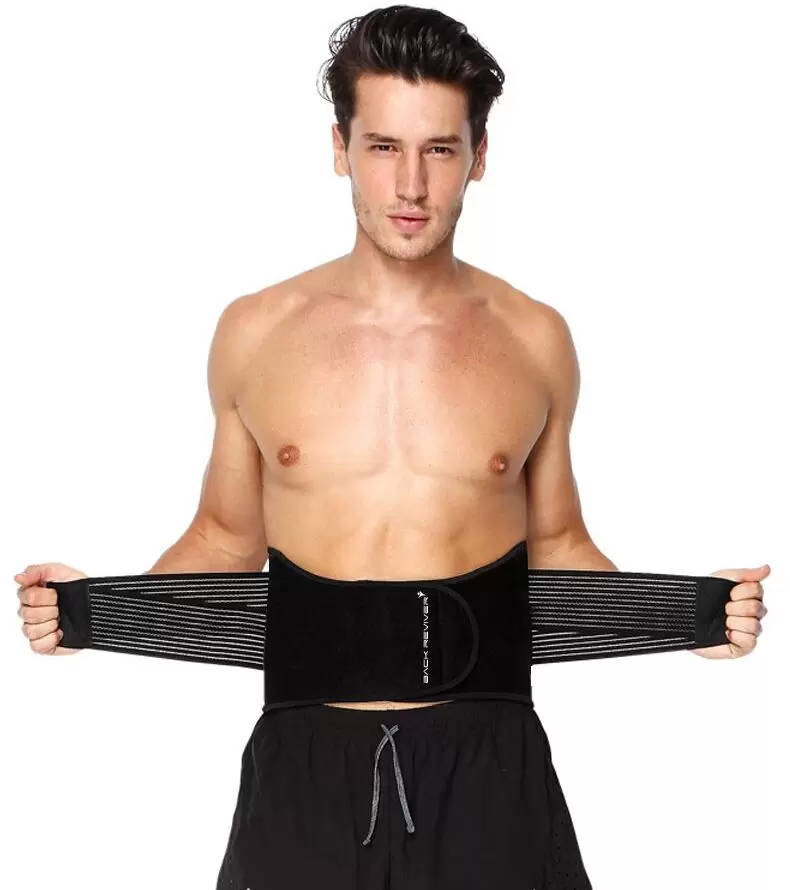
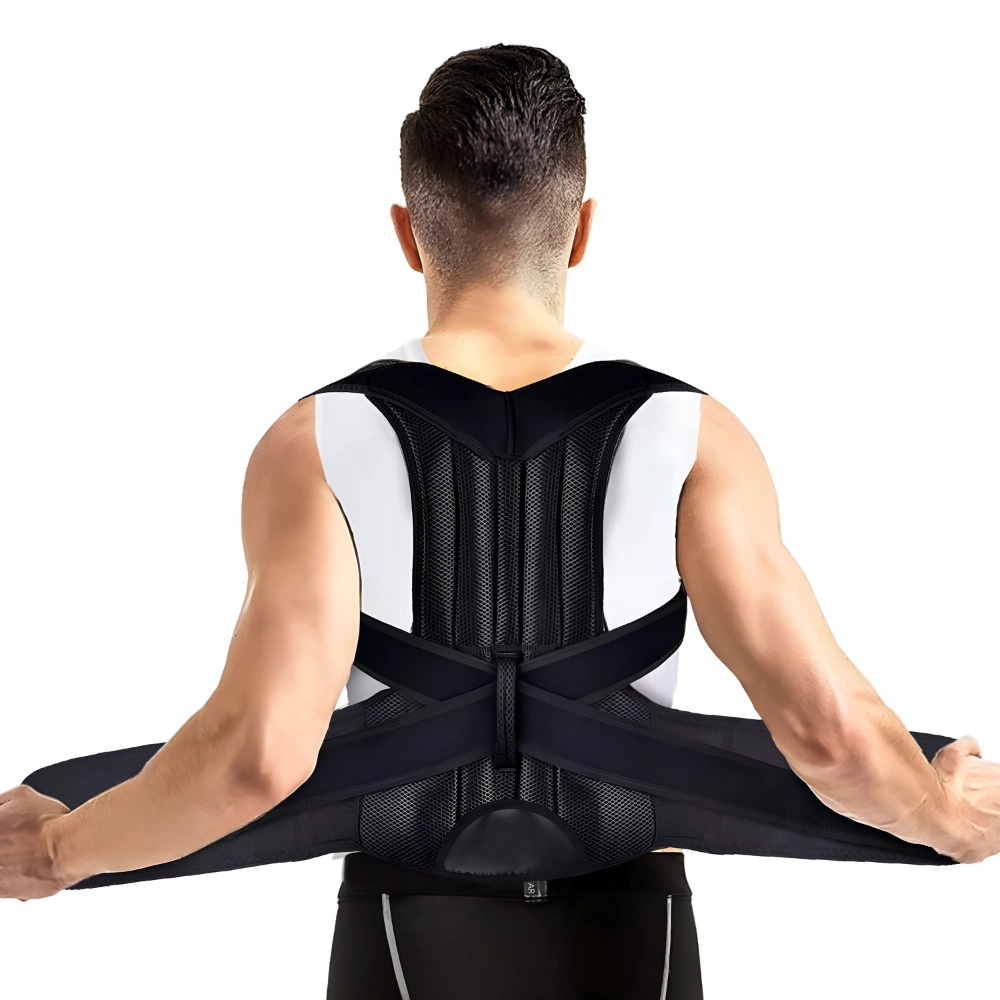
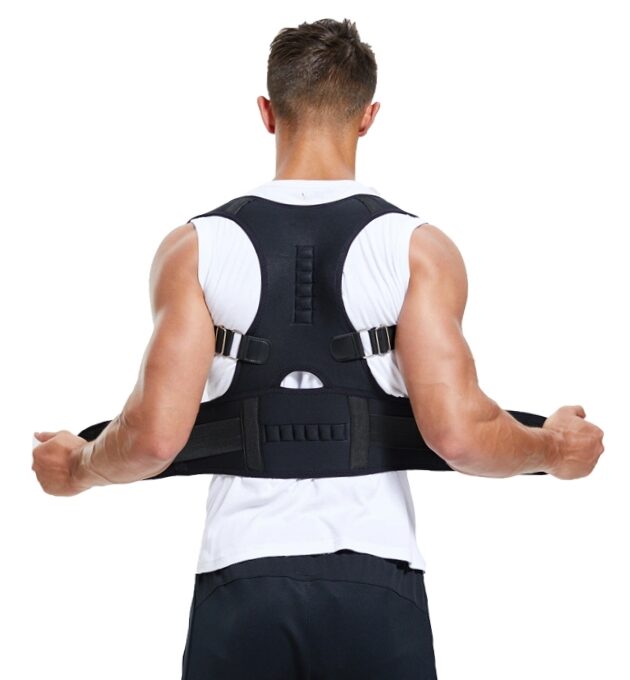
BackReviver™ Posture Corrector Support Brace for Standing taller & easing back pain
$11.69
$14.96
Ease back tension and restore natural alignment. Many people experience tension building across the back without realising that posture is often part of the cause. If you experience a dull ache across your back, tightness between your shoulder blades, or a heavy feeling in your head after sitting or standing for long periods, your posture may be contributing to the discomfort. The BackReviver posture corrector is designed to help retrain healthy alignment and relieve the strain that builds up when posture slips. Understanding how posture affects comfort and movement shows why targeted support matters. Small postural habits, repeated every day, can gradually change how the spine feels and functions.Good posture means the spine’s natural curves are supported and the body’s weight is balanced evenly. This reduces strain on muscles and ligaments and allows joints to move freely. When posture becomes misaligned, the spine and surrounding muscles take on uneven loads, which can lead to discomfort in the back, neck, and shoulders, as recognised in physiotherapy and musculoskeletal care. Let’s look at how poor posture shows up and what it can feel like.Recognising the signs of poor posturePoor posture can appear in many ways, from slouching to leaning to one side. These positions place extra load on the muscles and ligaments that support the spine, often leading to stiffness, fatigue, or pain. These are some of the posture problems clinicians see most often:Slouching: Overstretching the spinal ligaments and straining the discs between vertebrae can lead to persistent back pain.Hunching forward: Common in people who spend long periods sitting or leaning forward, this posture can cause muscle tension and discomfort across the neck and shoulders.Forward head posture: When the head rests forward of the shoulders, it increases pressure on the upper spine and neck muscles, often resulting in stiffness or pain.Rounded shoulders: Shoulders that roll forward can tighten the chest muscles and weaken the upper back, reducing shoulder stability.Tilted pelvis: A pelvis that tips too far forward (anterior tilt) or backward (posterior tilt) can strain the lower back and hip muscles, leading to discomfort.Uneven hips: When one hip sits higher than the other, it can create imbalance through the spine and legs, causing fatigue and joint stress.Knee hyperextension: Locking the knees while standing places unnecessary strain on the knee joints and disrupts overall alignment.Swayback: An exaggerated curve in the lower spine increases pressure on the lumbar vertebrae and can cause lower back pain.Text neck: Looking down at screens for long periods strains the neck muscles and can lead to ongoing discomfort.Anterior pelvic tilt: When the pelvis tilts forward, the lower back arches excessively, often causing tightness and pain.Raised shoulders: Holding the shoulders up, often due to tension or stress, can cause stiffness in the neck and upper back.Leaning to one side: Shifting weight to one side when standing or sitting can create muscle imbalance and discomfort in the spine and hips.Forward‑tilted lower back: A forward‑tilted lower back can make the abdomen appear more prominent and increase strain on the lumbar region.These posture problems often cause the same kinds of pain and stiffness many people describe in daily life.How poor posture leads to painPoor alignment changes how the body moves and feels. Over time, it can affect muscles, joints, and even internal organs, reducing comfort and mobility. These effects often build up gradually, which is why posture problems can go unnoticed for so long. Many people are surprised to find that posture affects breathing, digestion, and even concentration.Uneven muscle use: Poor posture causes some muscles to tighten and overwork while others weaken through lack of activation. This imbalance limits movement and may lead to strain injuries.Increased pressure on joints: Misalignment increases pressure on the joints of the spine, hips, and knees. This extra load accelerates cartilage wear and may contribute to early joint changes such as osteoarthritis.Stiffness and reduced ease of movement: Long-term poor posture can shorten muscles and stiffen joints. As the body adapts to these positions, everyday movements such as reaching overhead or bending to pick something up can become more difficult.Altered spinal curves: Sustained misalignment can change the spine’s natural shape, leading to increased rounding of the upper back or arching of the lower back. These changes can cause pain, stiffness, and reduced balance.Digestive symptoms such as bloating or indigestion: Slouching compresses the abdomen, placing pressure on the stomach and intestines. This can slow digestion and contribute to discomfort. Sitting or standing upright reduces abdominal pressure and allows digestion to function efficiently.Shallow or limited breathing: Hunched or slumped postures restrict how far the rib cage can expand, reducing lung capacity and energy levels.Slower blood flow: Sitting or standing with poor alignment can restrict circulation, particularly in the legs and pelvis. Balanced posture supports healthy blood flow and helps maintain circulation.Tiredness and tension: Ongoing discomfort from poor posture can affect concentration and mood. Upright posture supports better focus and alertness.Why good posture is difficult to maintainEven when we try to sit or stand correctly, daily routines can make it hard to maintain good posture. Long hours sitting, repetitive tasks, and long periods of screen use gradually encourage slouching or hunching. Over time, the body adapts to these positions, placing steady strain on the back, neck, and shoulders. Returning to upright alignment can then feel unnatural and tiring. This is a common experience, not a sign of weakness. The good news is that posture can be retrained with the right support.How BackReviver restores healthy alignmentThe BackReviver posture corrector is designed using physiotherapy principles that promote gentle shoulder alignment, spinal stability, and comfort that supports regular wear. Adjustable straps gently guide the shoulders back into a neutral position without restricting movement, while the lightweight, breathable construction ensures comfort during extended wear. By supporting the spine’s natural curves, it reduces muscle fatigue and helps the body relearn balanced posture over time.Used regularly, BackReviver supports awareness of how you’re holding your body and helps prevent the tiredness that makes it harder to stay upright. Clinical guidance supports the use of posture aids like this for managing discomfort caused by poor posture and aiding rehabilitation when combined with movement and strengthening exercises.BackReviver designs are developed with design features based on clinical insight—durable materials, precise adjustability, and a comfortable, secure fit. They are used by patients and recommended by clinicians who value reliable, clinically guided support for improving posture. Many people describe a sense of relief once their shoulders settle into position.How a posture corrector supports recovery and reliefBetter posture is central to managing and preventing many musculoskeletal conditions. Different spinal conditions respond differently to improved posture. Below are two examples where BackReviver can make a noticeable improvement.For Thoracic Kyphosis (Hunchback)For Thoracic kyphosis (Hunchback):If you often slouch or notice rounding in your upper back, you may have thoracic kyphosis—commonly known as hunchback. This condition is defined by an exaggerated outward curve in your upper and mid-back, and it can have a significant impact on your posture, comfort, and long-term spinal health. The thoracic region, made up of twelve vertebrae, is essential for supporting your upper body and maintaining the alignment needed for pain-free movement.In adults, thoracic kyphosis most often develops as a result of years of poor posture, sedentary habits, and age-related changes in the spinal structures. Extended periods spent hunched over desks or digital devices can gradually change the shape of your spine. This process places ongoing strain on your back muscles, ligaments, and discs, leading to pain, stiffness, loss of mobility, and—in more advanced cases—reduced lung capacity.Identifying and addressing thoracic kyphosis early can make a real difference to your well-being. Typical symptoms include a visible rounding of the back, aching or stiffness in the upper and mid-spine, and muscle fatigue. Ignoring these signs can contribute to changes in spinal shape and affect your ability to stay active and independent. Early posture improvement can help prevent further curvature and maintain thoracic mobility.The BackReviver posture corrector provides a clinically informed approach for managing and preventing thoracic kyphosis. Designed specifically to target the thoracic spine and shoulder girdle, this device offers gentle, structured support where you need it most. By gently guiding your shoulders back and supporting your spine in a more natural position, it reduces pressure on the vertebrae and surrounding muscles. This support makes it easier to maintain a healthier posture throughout your everyday movements.Regular use strengthens the muscles that support the upper back while allowing overworked muscles to relax. This dual action improves spinal alignment and helps prevent future recurrence of kyphosis by helping the body move in a healthier way. Many people notice improved comfort and awareness of posture within several weeks of regular use.Whether you spend long hours working at a desk, using digital devices, or want to protect your spinal health as you age, the BackReviver posture corrector available at NuovaHealth delivers the full support needed to manage thoracic kyphosis. With its accurate alignment support, design features based on clinical insight, and comfortable, secure fit, you have all the features needed to address this condition directly.For ScoliosisFor Scoliosis:If you have uneven shoulders, a visible curve in your spine, or an imbalance in your waist, scoliosis may be related. Scoliosis is defined by an abnormal sideways curvature of the spine, and while it’s often identified in adolescence, it can progress or appear in adulthood—commonly due to age-related changes in the spine. In adults, degenerative scoliosis most often results from wear and tear on the spinal discs and joints, but previous spinal injury, neuromuscular disorders, and osteoporosis can also play a role.The impact of adult scoliosis extends beyond the lower back. Abnormal curvature can result in ongoing back pain, muscle fatigue, and limited mobility, and can even lead to breathing or cardiovascular challenges if the upper back becomes more curved. Early signs—such as subtle asymmetry in the shoulders or rib cage, or a tendency to lean to one side—can progress, making daily activities more difficult and increasing the risk of falls and chronic discomfort.Improving spinal alignment is an important part of managing scoliosis, and focusing on upper back posture is a vital component. Correcting thoracic (upper back) alignment can positively affect the entire spinal column by redistributing forces and reducing extra strain on nearby muscles and joints. One practical way to achieve this is by wearing a properly positioned posture corrector. The BackReviver, available at NuovaHealth, is designed to support your upper back and shoulders, guiding your spine into a more neutral alignment and helping to offload strain from both the thoracic and lumbar regions.Consistent use of the BackReviver provides immediate external support and helps re‑educate the muscles that support posture over time. By gently promoting upright thoracic positioning, it relieves tension in overworked muscles, addresses uneven muscle use, and helps stabilise your lower back. This dual benefit—support and muscle re‑education—makes it easier to maintain healthy spinal alignment even after the device is removed. Support for posture works best alongside physiotherapy exercises aimed at improving spinal symmetry and reducing pain. Many people notice improved comfort and awareness of posture within several weeks of regular use.If you are managing adult scoliosis, early action and consistent support are crucial. For best results, wear your posture corrector as instructed by a physiotherapist to ensure it addresses thoracic alignment and provides optimal benefit to your spine as a whole. Incorporating the BackReviver into your daily routine offers support designed for the upper and mid‑back, helps the muscles relearn healthy alignment, and provides comfort suitable for everyday wear, helping you maintain mobility, reduce pain, and improve your quality of life.Understanding and Correcting SlouchingUnderstanding and Correcting SlouchingSlouching occurs when the upper back curves forward and the head and shoulders drift ahead of the body. It’s one of the most frequent postural issues seen in clinics and a leading cause of posture‑related back pain, particularly among adults who spend long hours working at a computer or desk. This pattern places steady pressure on the vertebrae, intervertebral discs, and the muscles and ligaments that support the spine.The thoracic spine (upper and middle back) is most affected, but the strain often spreads to the neck and lower back. Prolonged sitting, weak core muscles, limited physical activity, and stress‑related muscle tension all contribute to this posture. As the upper back rounds, the shoulders follow, giving the appearance of rounding — but the underlying issue begins in the thoracic spine itself.Early signs often go unnoticed until discomfort sets in. You may feel a dull ache between the shoulder blades, tightness across the front of the chest, or notice your head sitting forward of your shoulders. If this continues, it can lead to persistent pain, muscle fatigue, tension headaches, and restricted breathing. Over time, the spine adapts to this position, making it harder to sit or stand upright comfortably.This BackReviver posture corrector supports the thoracic spine and shoulder girdle to address slouching. Its structured yet flexible frame gently retracts the shoulders and aligns the scapulae (shoulder blades), reducing forward flexion and redistributing load along the spinal column. This stabilises the upper back and encourages a neutral spinal position without restricting movement.This BackReviver support provides immediate assistance while retraining the muscles that maintain posture. As you wear it, the underused postural muscles in the upper back and shoulders become more active, while shortened chest muscles are allowed to lengthen. This balance restores natural alignment and improves body awareness (known clinically as proprioception), helping you recognise and correct slouching even when the device is not worn.When the thoracic spine curves forward, the shoulder blades move apart and the chest muscles tighten. This weakens the stabilising muscles of the upper back and increases pressure on the neck and shoulders. The head then shifts forward to compensate, adding further strain. This forward shift increases the load on the cervical spine and upper back muscles, compounding discomfort and fatigue over time.Early correction helps prevent long‑term strain on the spine. This BackReviver posture corrector supports this process by stabilising the thoracic region, reducing muscle fatigue, and promoting lasting postural improvement through consistent use. Unlike rigid braces that immobilise the spine, this BackReviver posture corrector provides dynamic support — guiding alignment while allowing natural movement and muscle engagement. As part of the BackReviver range, it combines structure with flexibility for long‑term comfort and clinical reliability.Forward Head Posture: Why It Happens and How to Fix ItForward Head Posture: Why It Happens and How to Fix ItForward Head Posture develops when the head moves ahead of the body’s midline, placing extra strain on the neck, shoulders, and upper back. It’s particularly common among adults who spend long hours sitting or using screens, often without noticing the pressure this places on the cervical spine (neck region).Each inch the head moves forward increases the load on the cervical spine severalfold. The deep neck flexors — the small muscles at the front of the neck that help hold the head upright — weaken, while the upper back and shoulder muscles tighten to compensate. This imbalance can cause neck pain, headaches, stiffness, and, in some cases, tingling in the arms due to nerve compression. Over time, it may also affect breathing by limiting how the rib cage expands.You may notice your head tilting forward, your shoulders rounding, or a persistent ache through your neck and upper back, especially after long periods of desk work. These symptoms can gradually worsen if posture isn’t corrected, leading to ongoing discomfort and reduced mobility.This BackReviver posture corrector restores proper alignment by supporting the upper thoracic region, which in turn repositions the cervical spine. By drawing the shoulders back and reducing forward tilt, it decreases the extra leverage and strain placed on the neck when the head moves forward. This helps the head return to a neutral position and reduces tension through the neck and shoulders.This BackReviver support provides gentle external assistance while retraining the muscles that stabilise the neck and upper back. It encourages activation of the deep neck flexors and the lower shoulder stabilisers (such as the lower trapezius), while allowing tight muscles at the back of the neck — the cervical extensors — to relax. Over time, this restores muscle strength and postural balance, allowing the neck and shoulders to stay aligned more easily.As the head moves forward, the neck joints and muscles must work harder to hold it up. This extra effort compresses the joints at the base of the skull and upper neck, often leading to headaches and stiffness. The forward shift also limits rib cage movement, making breathing shallower and less efficient. Correcting this alignment reduces strain and allows freer neck and shoulder movement.Early correction prevents chronic neck and shoulder strain. This BackReviver posture corrector supports this by reducing cervical load, improving head control, and promoting long‑term postural recovery through consistent, comfortable use. Like other supports in the BackReviver range, it combines structure with flexibility for sustained comfort and clinical effectiveness.Rounded Shoulders: Causes, Effects, and Support OptionsRounded Shoulders: Causes, Effects, and Support OptionsRounded shoulders occur when the shoulder girdle sits forward from the body’s midline, often due to tight chest muscles and weak upper back muscles. Unlike slouching, which begins in the thoracic spine, rounded shoulders can develop even when the spine remains upright. The problem lies in the shoulder joints and surrounding muscles drifting forward from their neutral position.This posture is common among adults who spend long hours sitting, typing, or using digital devices. As the chest muscles shorten and the upper back muscles weaken, the shoulder joints move into a protracted position. This alters how the shoulder blades glide over the rib cage, disrupting normal shoulder mechanics, reducing joint stability, and increasing the risk of overuse strain. If left uncorrected, it may lead to nerve irritation or conditions such as thoracic outlet syndrome, where nerves or blood vessels become compressed between the collarbone and first rib.Rounded shoulders often present as stiffness across the upper back or tightness across the front of the chest and shoulders. You might also notice reduced shoulder movement or discomfort when lifting your arms. These symptoms often develop gradually and can worsen if posture isn’t addressed.This BackReviver posture corrector provides targeted support for the upper back and shoulders. Its structured design gently guides the shoulders back into alignment, supporting scapular retraction — drawing the shoulder blades gently together — and external rotation (the natural outward movement of the shoulders). This counteracts the internal rotation caused by tight pectoral muscles, improving shoulder joint alignment and reducing strain on the rotator cuff and upper trapezius.Unlike rigid braces, this BackReviver support offers flexible yet consistent guidance. It reminds you to maintain correct shoulder positioning without restricting movement, helping you build better postural habits over time. Regular use supports balanced muscle tone between the chest and upper back, restoring natural shoulder mechanics and reducing tension.Rounded shoulders develop when the chest muscles tighten and the upper back muscles weaken, pulling the shoulder joints forward and increasing tension through the neck and upper back. This change in alignment can restrict movement and cause discomfort. Correcting this imbalance restores normal scapular motion — the smooth movement of the shoulder blades during arm movement — and reduces strain on surrounding tissues.Addressing rounded shoulders early helps maintain shoulder mobility and comfort. This BackReviver posture corrector supports this process by promoting healthy alignment, easing muscle tension, and providing structured support trusted by clinicians and recommended for patients recovering from postural strain. As part of the BackReviver range, it is designed for long‑term postural correction and spinal comfort.For Upper Back StrainFor Upper Back StrainUpper back strain develops when the muscles, tendons, or ligaments supporting the thoracic spine become overstretched or fatigued. This often arises from repetitive strain, sustained forward posture, or long periods of static sitting. When posture deteriorates, the thoracic extensors and scapular stabilisers must work continuously to counteract gravity. Over time, these muscles fatigue and lengthen, while the chest muscles shorten. This imbalance increases tensile stress on the thoracic ligaments and compressive load on the intervertebral joints, producing pain and stiffness.As the thoracic extensors weaken, they can no longer counteract the forward pull of the shoulders and chest. This imbalance increases tension through the paraspinal muscles and connective tissues, leading to micro‑tears, inflammation, and discomfort. The result is a cycle of fatigue and pain that can make it difficult to maintain upright posture or perform routine movements comfortably.The design of this BackReviver posture corrector provides targeted support for the thoracic spine and shoulders, restoring alignment and reducing mechanical load on fatigued tissues. By gently retracting the shoulders and supporting the natural thoracic curve, it redistributes tension away from overstressed muscles and ligaments. This allows inflamed tissues to recover while maintaining balanced spinal mechanics. The support provides dynamic guidance — maintaining alignment while allowing natural movement and muscle engagement.Consistent use enhances proprioceptive awareness — the body’s internal sense of position and movement — helping users recognise when posture begins to drift and encouraging active correction. As postural control improves, the upper back becomes more resilient to daily strain. This combination of mechanical support and muscle re‑education supports comfortable, sustainable posture and long‑term spinal stability.Through regular use, this BackReviver posture corrector supports recovery by reducing strain, improving spinal alignment, and retraining the muscles that maintain upright posture. It forms part of a clinically guided approach to restoring comfort and preventing recurrence of upper back strain.For Upper Back Muscle SpasmsFor Upper Back Muscle SpasmsUpper back muscle spasms are sudden, involuntary contractions of the muscles surrounding the thoracic spine and shoulder blades. They often occur when muscles are overworked, fatigued, or held in a shortened position for long periods. Poor posture, repetitive upper‑body movements, or prolonged sitting can all trigger spasms by creating uneven tension across the thoracic region. Once a spasm begins, the affected muscles tighten further, restricting movement and increasing pain.These spasms are a protective reflex. When the spine is misaligned, certain muscles must work harder to maintain posture, leading to localised fatigue and overactivity. Sustained contraction restricts blood flow, causing oxygen deprivation and accumulation of metabolic waste, which further irritates the muscle. This creates a self‑perpetuating cycle: pain triggers spasm, spasm restricts movement, and restricted movement increases stiffness and discomfort.This BackReviver posture corrector helps interrupt this cycle by restoring balanced alignment through the thoracic spine and shoulder girdle. By gently guiding the shoulders back and supporting the upper back, it reduces the mechanical stress that activates these reflex contractions. As the shoulders and thoracic spine return to neutral, muscle tension decreases, circulation improves, and the nervous system receives feedback that the area is stable — allowing the spasm to release naturally.The BackReviver design provides dynamic support — maintaining alignment while allowing natural movement. This ensures that the postural muscles remain active, preventing deconditioning and promoting long‑term stability. The consistent feedback it provides also enhances proprioception, helping users maintain awareness of posture and prevent recurrence of spasms.By reducing strain, improving muscle coordination, and restoring spinal alignment, this BackReviver posture corrector supports recovery from upper back muscle spasms and helps prevent future episodes. It offers a clinically informed approach to relieving pain and restoring functional movement.For Thoracic Spine DegenerationFor Thoracic Spine DegenerationThoracic spine degeneration describes progressive changes affecting the intervertebral discs and facet joints in the mid‑back. This process can lead to stiffness, pain, and reduced mobility, particularly in adults over 40. Over time, repetitive strain, poor posture, and uneven loading accelerate disc dehydration and joint stress, leading to inflammation and discomfort.When posture deteriorates, the thoracic spine rounds forward, increasing compressive forces on the front of the vertebrae and stretching the supporting ligaments at the back. This imbalance accelerates disc wear and facet joint irritation. As the discs lose height, the thoracic curve becomes more pronounced, shifting load onto the posterior joints and ligaments. This leads to stiffness, inflammation, and reduced spinal mobility.This BackReviver posture corrector supports the thoracic region by gently aligning the shoulders and upper back, redistributing load evenly along the spine. By reducing forward flexion, it decreases compressive pressure on the intervertebral discs and facet joints, helping to slow degenerative progression. The support also encourages balanced muscle activation, reducing fatigue and improving spinal stability.The BackReviver design provides dynamic support — guiding alignment while allowing natural movement and muscle engagement. This promotes active stabilisation rather than passive dependence, helping maintain muscle tone and joint mobility. The consistent postural feedback it provides enhances proprioception, encouraging better posture awareness throughout daily activity.Through regular use, this BackReviver posture corrector helps relieve discomfort, improve mobility, and support long‑term spinal health. By maintaining balanced alignment and reducing mechanical stress, it forms part of a clinically guided approach to managing thoracic spine degeneration and preserving function as you age.For Thoracic Vertebrae Fracture (Post‑Recovery Support)For Thoracic Vertebrae Fracture (Post‑Recovery Support)A thoracic vertebra fracture is a serious injury that requires medical assessment and, in many cases, a period of immobilisation or bracing under clinical supervision. The thoracic spine supports much of the upper body and protects the spinal cord, so any fracture must be managed carefully to prevent further damage. This BackReviver posture corrector is not intended for use during the acute healing phase. It should only be considered once the fracture has fully healed and a clinician has confirmed that gentle postural rehabilitation is appropriate.After a fracture heals, many adults experience residual stiffness, weakness, or altered posture. During recovery, protective muscle guarding and reduced movement can cause the surrounding muscles — particularly the thoracic extensors and scapular stabilisers — to weaken. This often leads to a forward‑rounded posture, uneven load distribution, and discomfort in the upper back and shoulders. Without correction, these compensatory patterns can persist, placing additional strain on the spine and increasing the risk of future pain or imbalance.This BackReviver posture corrector provides structured yet flexible support to help restore alignment and muscle balance after recovery from a thoracic vertebra fracture. By gently guiding the shoulders back and supporting the thoracic curve, it helps re‑establish normal spinal mechanics and reduces the residual forward flexion that often develops during immobilisation. This redistribution of load across the thoracic spine reduces tension on the paraspinal muscles and ligaments, allowing them to strengthen safely as movement is reintroduced.The BackReviver design provides dynamic support — guiding alignment while allowing controlled, natural movement. This encourages gradual reactivation of the postural muscles, helping to rebuild strength and endurance without overloading the healing area. The consistent proprioceptive feedback it provides also improves body awareness, helping users maintain correct posture throughout daily activity and preventing the return of compensatory habits.Used under clinical guidance, this BackReviver posture corrector supports the transition from passive healing to active rehabilitation. It helps restore confidence in movement, promotes balanced muscle function, and supports long‑term spinal health following recovery from a thoracic vertebra fracture.Understanding Thoracic Disc HerniationUnderstanding Thoracic Disc HerniationThoracic disc herniation occurs when the soft inner material of a spinal disc pushes through its outer layer, placing pressure on nearby nerves or the spinal cord. Although less common than cervical or lumbar herniations, it can cause significant mid‑back pain, stiffness, and sometimes neurological symptoms that affect movement and comfort. Many adults are surprised to learn that even small postural changes in the upper back can influence how the thoracic discs bear load and transmit force.The thoracic spine consists of twelve vertebrae that stabilise the upper body and protect the spinal cord. Herniation in this region often develops gradually through age‑related disc degeneration, repetitive strain, or sustained poor posture. Work‑related and postural factors such as prolonged sitting, heavy lifting, or twisting movements can increase the risk. Over time, the disc’s outer fibres weaken, allowing the inner material to bulge or protrude, which can irritate surrounding nerves and cause pain or tingling through the chest or abdomen.Symptoms may begin subtly — a dull ache or stiffness — but can progress to sharper pain, numbness, or weakness in the trunk muscles. In more severe cases, nerve compression may cause radiating pain or altered sensation, requiring prompt medical assessment. Clinically, early recognition and conservative management are essential to prevent long‑term complications.The BackReviver posture corrector from NuovaHealth supports conservative management by maintaining balanced thoracic alignment and reducing abnormal pressure on the affected discs. By gently guiding the shoulders back and supporting the mid‑back, it helps distribute pressure evenly across the spine, reducing sliding forces that can aggravate disc tissue. This external support also limits excessive motion, allowing the surrounding muscles to relax and stabilise the area.The BackReviver design provides dynamic support — maintaining alignment while allowing natural movement. This encourages active muscle engagement and prevents stiffness. Consistent use promotes healthier postural habits, reduces compensatory muscle fatigue, and helps maintain healthy spacing between vertebrae. The outcome is measurable — reduced strain, improved comfort, and greater confidence in movement.For adults managing thoracic disc herniation, maintaining correct posture is a clinically effective step in recovery. The BackReviver posture corrector provides targeted anatomical support that complements physiotherapy and ergonomic adjustments, helping users move safely, reduce discomfort, and protect the spine from further strain. Each BackReviver posture corrector in the NuovaHealth range is designed with physiotherapy input and precision‑adjusted features to meet clinical standards for comfort, durability, and effective postural rehabilitation.Shoulder Impingement Syndrome: Why Alignment MattersShoulder Impingement Syndrome: Why Alignment MattersShoulder impingement syndrome occurs when the tendons of the rotator cuff become compressed between the upper arm bone and the acromion — the bony arch of the shoulder. This narrowing of space causes irritation, inflammation, and pain, particularly during overhead or repetitive arm movements. It is one of the most common causes of shoulder pain in adults, especially those whose work or posture places repeated strain on the shoulder joint.Work‑related and postural factors play a major role. Repetitive overhead work, prolonged desk use, or rounded shoulder posture can alter the mechanics of the shoulder joint, reducing the subacromial space and increasing friction on the tendons. Over time, this leads to inflammation and weakness in the rotator cuff. Age‑related changes, previous injury, and muscle imbalance further increase risk. Clinically, this pattern is often seen in adults who spend long hours at a desk or perform repetitive upper‑limb tasks.Typical symptoms include pain when lifting or reaching overhead, weakness, and a catching or clicking sensation in the shoulder. If untreated, impingement can progress to chronic tendon degeneration or even a rotator cuff tear. Early correction of posture and shoulder mechanics is therefore essential to prevent long‑term dysfunction.The BackReviver posture corrector provides targeted support for the upper back and shoulder girdle, gently guiding the shoulder blades into a neutral position. By improving scapular alignment, it increases the subacromial space and reduces compression on the rotator cuff tendons. This mechanical correction relieves pain, reduces inflammation, and supports natural shoulder movement.The BackReviver design provides dynamic support — maintaining alignment while allowing natural motion. It encourages activation of the stabilising muscles, such as the lower trapezius and serratus anterior, while reducing overuse of the upper trapezius and pectoral muscles. This retraining of postural control supports balanced shoulder mechanics and helps prevent recurrence. In clinical use, this approach reflects NHS rehabilitation principles — restoring alignment, reducing strain, and promoting long‑term function.Used alongside physiotherapy and ergonomic adjustments, the BackReviver posture corrector supports recovery by improving posture, reducing strain, and promoting long‑term shoulder health. It is particularly beneficial for adults whose impingement is linked to postural imbalance or repetitive upper‑limb activity. The BackReviver range is developed with clinical insight and ergonomic precision to ensure effective, comfortable support that aligns with professional rehabilitation standards.Rotator Cuff Injury: Supporting Recovery and PreventionRotator Cuff Injury: Supporting Recovery and PreventionThe rotator cuff is a group of four muscles and their tendons that stabilise the shoulder joint and control arm movement. Injury occurs when these tendons become inflamed, strained, or torn, leading to pain, weakness, and restricted mobility. The condition ranges from mild tendinitis to partial or full‑thickness tears. Clinically, this is one of the most frequent causes of shoulder pain in adults who perform repetitive or overhead tasks.Repetitive overhead activity, heavy lifting, or poor posture can overload the rotator cuff tendons. Over time, this causes micro‑tears and inflammation, particularly where the tendons pass beneath the acromion. Age‑related changes reduce tendon elasticity, making injury more likely. Poor scapular control or rounded shoulder posture further increases mechanical stress on the tendons. The key point here is that posture and shoulder mechanics are closely linked — correcting one supports recovery of the other.Symptoms often include a deep, aching pain in the shoulder, weakness when lifting or rotating the arm, and discomfort when lying on the affected side. Without early management, chronic pain and stiffness can develop, limiting daily function and increasing the risk of secondary joint changes. Early intervention is clinically important to prevent long‑term dysfunction.The BackReviver posture corrector from NuovaHealth supports recovery by improving upper‑back and shoulder alignment. By gently retracting the shoulders and stabilising the scapulae, it reduces abnormal tension on the rotator cuff tendons and supports normal shoulder movement. This reduces mechanical stress on the injured tissues, allowing them to heal while maintaining mobility.The BackReviver design provides dynamic support — maintaining alignment while allowing natural movement. It encourages activation of the stabilising muscles, including the lower trapezius and serratus anterior, while reducing overactivity in the upper trapezius and pectoral muscles. This balanced activation pattern supports tendon healing and prevents recurrence. In clinical practice, this approach is recognised as an effective adjunct to physiotherapy and strengthening programmes.For adults recovering from or seeking to prevent a rotator cuff injury, the BackReviver posture corrector provides reliable, anatomically targeted support that aligns with professional rehabilitation standards. Each BackReviver posture corrector in the NuovaHealth range is engineered for long‑term compliance and comfort, combining clinical insight with ergonomic design to support safe, progressive recovery.Frozen Shoulder: Understanding Stiffness and Regaining MovementFrozen Shoulder: Understanding Stiffness and Regaining MovementFrozen shoulder — medically known as adhesive capsulitis — causes marked pain, stiffness, and loss of motion in the shoulder joint. Many adults first notice it when routine movements such as reaching or dressing become increasingly difficult. In the UK, it affects around 2–5% of adults, most often between the ages of 40 and 60, and is more common in people with diabetes or thyroid disorders. Clinically, it is one of the most disabling shoulder conditions, often developing gradually and resolving slowly without early intervention.The shoulder joint is enclosed by a strong connective tissue capsule — a flexible sleeve that stabilises the joint and allows smooth movement. In frozen shoulder, this capsule becomes thickened, tight, and inflamed, restricting motion and causing pain. Risk factors include diabetes, previous shoulder injury or surgery, prolonged immobilisation, and certain metabolic conditions. The first sign is often a dull, aching pain in the outer shoulder, followed by progressive stiffness. Without timely management, frozen shoulder can lead to long‑term pain and restricted function.Posture plays a key role in both prevention and rehabilitation. Poor scapular and thoracic alignment increases tension on the shoulder capsule and surrounding muscles, worsening stiffness and discomfort. Clinical guidelines support postural correction and shoulder blade stabilisation — sometimes aided by external supports — as part of a comprehensive management plan for adhesive capsulitis.The BackReviver posture corrector from NuovaHealth provides structured clinical support for the upper back, clavicle, and shoulder blades. By gently realigning the shoulders and upper spine, it helps prevent the forward‑rounded posture that increases strain on the shoulder capsule. This support maintains balanced shoulder alignment and prevents compensatory movement patterns that can delay recovery.The BackReviver design provides dynamic support — maintaining alignment while allowing natural movement. It reduces mechanical strain on the affected joint and encourages activation of the stabilising muscles in the upper back and around the shoulder. Gradually, this supports restoration of movement and helps limit the formation of scar tissue that can further restrict mobility.Used alongside physiotherapy and exercise, the BackReviver posture corrector supports recovery by improving alignment, reducing pain, and promoting long‑term shoulder function. Each BackReviver posture corrector in the NuovaHealth range is developed with physiotherapy input and ergonomic precision to meet professional rehabilitation standards.Shoulder Bursitis: Reducing Inflammation and Supporting RecoveryShoulder Bursitis: Reducing Inflammation and Supporting RecoveryShoulder bursitis occurs when the subacromial bursa — a small fluid‑filled sac between the rotator cuff tendons and the acromion — becomes inflamed. This inflammation causes pain, tenderness, and restricted motion, particularly during overhead activity. It is a common condition in adults who perform repetitive or overhead work and can significantly limit daily function if untreated.Repetitive shoulder movement, such as lifting or reaching, can irritate the bursa over time. Work‑related and postural factors are major contributors, as forward‑rounded shoulders or slouched posture alter scapular movement and increase pressure on the bursa and rotator cuff tendons. Other risk factors include age, diabetes, rheumatoid arthritis, and previous shoulder injury. Clinically, early recognition and correction of posture are key to preventing chronic pain and secondary complications such as rotator cuff tears or adhesive capsulitis.The BackReviver posture corrector from NuovaHealth provides targeted anatomical support for the upper back, scapula, and clavicle. By gently retracting the shoulders and aligning the upper spine, it reduces excess load on the bursa and promotes efficient movement of the rotator cuff tendons. This alignment minimises repetitive minor strain and supports natural shoulder mechanics.The BackReviver design provides dynamic support — maintaining alignment while allowing natural movement. It reinforces correct scapular positioning and upper‑back stability, activating key postural muscles such as the lower trapezius, rhomboids, and serratus anterior. This coordinated muscle activity reduces pressure on the inflamed bursa, lessens muscle tension, and prevents recurrence of poor movement patterns.Clinical guidelines highlight the importance of postural training and scapular stabilisation in shoulder rehabilitation. Non‑invasive supports such as the BackReviver are recognised as effective components of conservative management, helping relieve pain, restore motion, and support functional recovery. Used consistently alongside physiotherapy and workplace or activity modifications, the BackReviver posture corrector supports sustained improvement in shoulder comfort and mobility.For adults managing or seeking to prevent shoulder bursitis, the BackReviver posture corrector provides clinically targeted anatomical support and postural reinforcement. Its precision‑adjusted design protects the subacromial space, optimises scapular mechanics, and supports long‑term shoulder function.Shoulder Tendonitis: Managing Pain and Preventing RecurrenceShoulder Tendonitis: Managing Pain and Preventing RecurrenceShoulder tendonitis refers to inflammation of the shoulder tendons, most often those of the rotator cuff. This inflammation causes pain, tenderness, and sometimes swelling, making it difficult to lift the arm or perform routine movements. If untreated, it can lead to chronic pain and reduced mobility.Shoulder tendonitis is common among adults who perform repetitive overhead activity. Work‑related and postural factors — such as prolonged sitting with forward‑rounded shoulders — increase strain on the rotator cuff. As tendons lose elasticity with age, they become more vulnerable to overload. Clinically, early recognition and correction of posture are essential to prevent long‑term dysfunction.The BackReviver posture corrector from NuovaHealth supports recovery by maintaining correct alignment of the shoulders and upper back. By gently supporting the upper spine and keeping the shoulders in a neutral position, it reduces excess load on the rotator cuff tendons. This allows the tendons to rest and recover while encouraging balanced muscle activation in the upper back and shoulder girdle.The BackReviver design provides dynamic support — maintaining alignment while allowing natural movement. It promotes activation of stabilising muscles such as the lower trapezius and serratus anterior while reducing overactivity in the upper trapezius and pectoral muscles. This coordinated muscle activity supports tendon healing and prevents recurrence.Clinical reviews confirm that postural correction and scapular stabilisation are key components of conservative management for shoulder tendonitis. Used alongside physiotherapy and strengthening exercises, the BackReviver posture corrector supports recovery, reduces pain, and promotes long‑term shoulder stability. Each BackReviver posture corrector in the NuovaHealth range is engineered for comfort, compliance, and clinical effectiveness, reflecting NHS rehabilitation principles.Cervical Kyphosis: Correcting Neck Alignment and Relieving StrainCervical Kyphosis: Correcting Neck Alignment and Relieving StrainCervical kyphosis describes an abnormal forward curvature of the neck. Instead of maintaining its natural inward curve, the cervical spine bends outward, which can cause neck pain, stiffness, and, in severe cases, nerve compression affecting the arms and hands. Even mild curvature changes can affect posture, balance, and daily comfort. Clinically, this condition is often linked to prolonged forward‑head posture and muscle imbalance.Although relatively uncommon, cervical kyphosis is more frequent in older adults and those with a history of spinal injury or degenerative disease. Work‑related posture — such as prolonged hunching over computers or desks — can contribute to its progression. Other causes include congenital abnormalities, spinal trauma, arthritis, and osteoporosis, all of which can disrupt normal neck alignment and mechanics.Symptoms may include chronic neck pain, stiffness, headaches, fatigue, or visible forward tilting of the head. Some individuals experience numbness or tingling in the arms, indicating nerve involvement. Clinically, early recognition and conservative management are essential to prevent progression and maintain mobility.The BackReviver posture corrector from NuovaHealth provides anatomically precise support for the cervical spine, shoulders, and upper back. By gently guiding the shoulders back and uplifting the upper spine, it helps realign the neck and reduce forward flexion. This reduces tension in the cervical muscles and helps prevent further curvature.The BackReviver design provides dynamic support — maintaining alignment while allowing natural movement. Consistent use retrains the neuromuscular system to sustain healthier posture, even after the support is removed. This approach reflects NHS rehabilitation principles — promoting alignment, reducing strain, and supporting long‑term spinal health.Clinical reviews highlight the value of postural supports such as the BackReviver as part of conservative care for cervical kyphosis, particularly when poor posture or muscle imbalance contribute to symptoms. Integrated into daily activity, the BackReviver posture corrector provides ongoing alignment, muscle activation, and pain relief. Each BackReviver posture corrector in the NuovaHealth range is designed with clinical insight and ergonomic precision to support safe, progressive recovery.Cervical Lordosis: Understanding and Correcting an Exaggerated Cervical CurveCervical Lordosis: Understanding and Correcting an Exaggerated Cervical CurveCervical lordosis describes the natural inward curve of the neck. When this curve becomes exaggerated — a condition known as hyperlordosis — it can disrupt spinal balance and cause ongoing neck pain, stiffness, or headache. Although a gentle curve is normal and necessary for shock absorption, an excessive curve alters the mechanics of the cervical spine, increasing strain on joints, discs, and muscles.Symptoms often begin gradually. Clinically, this is often when patients first notice persistent neck tension or headaches after long periods of desk work or device use. Over time, the neck may feel tight, movement becomes restricted, and discomfort increases. These symptoms suggest that spinal alignment has been disrupted. Without early correction, the abnormal curvature can progress, leading to nerve irritation and reduced mobility.Current working habits and posture demands contribute significantly to cervical hyperlordosis. Prolonged sitting, forward‑leaning head position, and weak neck or core muscles all increase curvature. Age‑related changes, arthritis, or osteoporosis can further exaggerate the curve, increasing the risk of pain and nerve compression.Clinical research supports postural realignment and external supports as part of conservative management for cervical hyperlordosis. The BackReviver posture corrector from NuovaHealth provides anatomically precise support for the cervical spine, upper back, and shoulder girdle. By gently guiding the head, neck, and shoulders into a neutral position, it reduces strain across the cervical joints and surrounding muscles. This support alleviates fatigue and supports restoration of the neck’s normal curvature while preventing further exaggeration.The BackReviver design maintains alignment while allowing controlled, natural movement. Consistent use supports retraining of postural muscle control, helping maintain spinal alignment even after the device is removed. By supporting neutral head and neck positioning, the BackReviver can reduce nerve irritation, ease headaches, and help prevent secondary problems such as stiffness or muscle imbalance.Addressing cervical hyperlordosis early is clinically important to prevent chronic pain and functional loss. The BackReviver posture corrector provides clinically guided, evidence‑based support that helps restore healthy alignment, reduce pain, and promote long‑term spinal health. Each BackReviver posture corrector in the NuovaHealth range is developed with physiotherapy input, precision‑adjusted design, and breathable medical‑grade materials used by UK rehabilitation specialists.Whiplash: Managing Pain and Regaining Neck ControlWhiplash: Managing Pain and Regaining Neck ControlWhiplash is a neck injury caused by rapid, forceful movement of the head backward and then forward. This sudden motion can strain the muscles, ligaments, and tendons of the cervical spine, affecting the neck, upper back, and shoulders. It most commonly occurs in road traffic collisions but can also result from contact sports or physical impact.In the UK, whiplash is frequently reported following rear‑end collisions. Individuals with previous neck injuries or weaker neck musculature are at greater risk. Symptoms include neck pain, stiffness, headaches, dizziness, and sometimes difficulty concentrating. Without early management, whiplash can progress to chronic pain, restricted motion, or persistent nerve‑related symptoms.Clinical guidelines recommend early, active management that focuses on restoring movement, reducing pain, and retraining posture. The BackReviver posture corrector from NuovaHealth provides targeted support for the cervical spine, shoulders, and upper back. By encouraging correct head and neck alignment, it helps prevent the forward‑leaning posture that often develops after injury. This alignment distributes load evenly across the cervical spine, reducing strain on healing tissues and supporting recovery.The BackReviver design maintains alignment while allowing controlled, natural movement. It assists in re‑educating the muscles that control posture, helping restore balanced alignment and controlled movement. This dual action supports both immediate comfort and long‑term rehabilitation.In clinical practice, early postural correction often marks the turning point in recovery. Clinical evidence supports postural realignment and stabilisation as part of whiplash rehabilitation. Unlike rigid collars, which can delay recovery, structured supports such as the BackReviver promote active healing, reduce pain, and restore confidence in movement. Integrated into a physiotherapy‑led plan, the BackReviver posture corrector provides sustained support and reinforces proper alignment for lasting cervical spine health. Each BackReviver posture corrector in the NuovaHealth range is precision‑adjusted and used by UK rehabilitation specialists.Cervical Spondylosis: Easing Stiffness and Protecting Neck FunctionCervical Spondylosis: Easing Stiffness and Protecting Neck FunctionCervical spondylosis — often referred to as neck arthritis — is a degenerative condition affecting the cervical spine. Over time, the cartilage, discs, and bones in the neck undergo wear and tear, leading to stiffness, pain, and sometimes nerve compression. In the UK, most adults over 60 show some degree of cervical spondylosis, though symptoms can appear earlier in those with occupational or lifestyle risk factors.Degeneration can cause bone spurs and disc narrowing, which may compress nerve roots and lead to numbness, tingling, or weakness in the arms and hands. Other symptoms include persistent neck pain, headaches, and a grinding sensation with movement. In advanced cases, severe compression can affect coordination or bladder control, making early management clinically important.Risk factors include age, repetitive neck movements, poor ergonomics, smoking, and prolonged neck flexion during desk or device use. Conservative management — including physiotherapy, medication, and postural realignment — is the first line of treatment. Clinical guidelines highlight the importance of posture retraining and external supports to relieve pain and slow progression.The BackReviver posture corrector from NuovaHealth provides targeted support for the cervical spine, upper back, and shoulders. By gently aligning the neck and shoulders, it reduces load on affected joints and discs, alleviates muscle tension, and promotes balanced posture. This support helps distribute the weight of the head evenly, reducing strain on the cervical spine.The BackReviver design maintains alignment while allowing controlled, natural movement. Regular use reinforces correct head and neck positioning, helping maintain alignment even after the device is removed. This approach supports comfort, mobility, and long‑term spinal health.Clinical evidence confirms that postural realignment and conservative supports are effective for symptom control and functional improvement in adults with cervical spondylosis. The BackReviver posture corrector offers clinically informed, ergonomic support that helps reduce pain, improve range of motion, and protect the cervical spine as you age. Each BackReviver posture corrector in the NuovaHealth range is engineered for comfort, durability, and clinical precision, reflecting NHS rehabilitation principles.Cervical Stenosis: Reducing Pressure and Preserving Nerve HealthCervical Stenosis: Reducing Pressure and Preserving Nerve HealthCervical stenosis occurs when the spinal canal in the neck narrows, placing pressure on the spinal cord and nerve roots. This narrowing can cause neck pain, stiffness, and nerve‑related symptoms such as numbness, tingling, or weakness in the arms and hands. In advanced cases, it may affect walking or coordination, making early recognition and management essential.Age‑related changes are the most common cause, but previous injury, congenital narrowing, or inflammatory conditions such as rheumatoid arthritis can also contribute. Herniated discs and bone spurs may further encroach on the spinal canal, increasing pressure on neural structures.Non‑surgical management is recommended for many adults with mild to moderate cervical stenosis. Clinical guidelines support a multimodal approach that includes exercise, workplace or activity modifications, and postural realignment. The BackReviver posture corrector from NuovaHealth provides anatomically precise support for the cervical spine, shoulders, and upper back. By promoting upright alignment, it helps relieve pressure on the spinal cord and nerve roots while limiting the forward‑leaning head position that increases pressure.The BackReviver design maintains alignment while allowing controlled, natural movement. Consistent use retrains postural muscles, improving control and reducing strain on vulnerable spinal segments. This dual action supports both immediate relief and long‑term stability.Clinical evidence supports postural realignment as part of conservative care for cervical stenosis. Integrated into daily activity, the BackReviver posture corrector helps reduce pain, improve function, and protect the cervical spine from further narrowing. Each BackReviver posture corrector in the NuovaHealth range is designed with clinical insight, ergonomic precision, and precision‑adjusted support used by UK rehabilitation specialists.Neck Muscle Strains: Relieving Pain and Preventing RecurrenceNeck Muscle Strains: Relieving Pain and Preventing RecurrenceNeck muscle strains occur when the muscles or tendons in the cervical spine are overstretched or torn, leading to localised pain, stiffness, and limited movement. This is one of the most common causes of neck pain, affecting nearly one in three adults in the UK at some point in their lives. The cervical region supports the head and allows a wide range of motion, making it particularly vulnerable to strain from both repetitive postural habits and acute injuries.Common causes include poor posture, prolonged desk work, repetitive neck movements, and improper lifting techniques. Contact sports and previous neck injuries also increase risk. Early symptoms include local pain, tenderness, and stiffness, sometimes accompanied by muscle spasms or headaches. Without early management, these strains can progress to chronic pain and reduced mobility.The BackReviver posture corrector from NuovaHealth provides structured support for the cervical spine and upper back. By gently guiding the neck and shoulders into correct alignment, it reduces strain on affected muscles and promotes balanced posture. This support helps distribute movement forces evenly, relieving tension and allowing tissues to heal.The BackReviver design maintains alignment while allowing controlled, natural movement. Consistent use retrains the muscles that control posture, reinforcing healthier posture habits and reducing the likelihood of recurrence. Clinical guidelines confirm that postural realignment and external supports are effective components of conservative management for neck pain and muscle strain.Incorporating the BackReviver posture corrector into daily activity is a clinically grounded, evidence‑based step to aid recovery, maintain neck health, and prevent future strain. Each BackReviver posture corrector in the NuovaHealth range is engineered for comfort, compliance, and clinical effectiveness, reflecting NHS rehabilitation principles. This is a structured, clinically guided way to protect your neck and restore confidence in movement.Torticollis: Understanding and Correcting Head TiltTorticollis: Understanding and Correcting Head TiltTorticollis, or wry neck, is a condition where the head tilts to one side and the chin turns to the other. It often becomes noticeable when turning the head suddenly feels painful or restricted. The problem usually involves the muscles and ligaments of the neck, which can tighten or weaken unevenly. It may appear suddenly or develop gradually, depending on the cause.In the UK, it affects roughly three in every 10,000 people each year. In infants, it is often congenital, while in adults it can follow neck injury, poor posture, or muscle strain. People who spend long hours at a desk or have a history of neck problems are more likely to experience it.Common signs include a visible head tilt, stiffness, and pain when trying to move the neck. Some people also notice headaches or tightness in the shoulder and upper back. If left untreated, torticollis can lead to persistent pain, muscle imbalance, and long‑term postural changes.Early management helps prevent these complications. Physiotherapy, gentle stretching, and postural correction are often effective. The BackReviver posture corrector from NuovaHealth provides structured support for the cervical spine, upper back, and shoulders — the areas most affected by torticollis. By helping the neck stay upright and balanced, it reduces strain and limits unwanted head movement.Torticollis typically involves tightening of the sternocleidomastoid, upper trapezius, and levator scapulae muscles on one side of the neck, while the opposite side weakens. This imbalance alters movement at the atlanto‑axial joint (where the head turns on the top of the spine) and the cervical facet joints (which guide neck movement), increasing pressure and irritation. The BackReviver supports the head in a neutral position, easing overactivity in shortened muscles and encouraging balanced muscle use. This alignment helps break the pain–spasm cycle and reduces uneven pressure on the upper cervical joints.The BackReviver also supports the cervico‑thoracic junction — where the neck meets the upper back — which is key for restoring normal head‑on‑neck alignment. It allows natural movement while guiding the neck into a more stable position. With regular use, it helps retrain the muscles that keep the head centred. By improving proprioceptive feedback — the body’s awareness of its own position — the BackReviver helps you maintain correct posture even after it is removed. Keeping the neck in its mid‑range position reduces long‑term strain and improves comfort.For people who spend long hours at a desk or are recovering from a neck injury, the BackReviver posture corrector provides steady support that relieves pressure and encourages even muscle activity. This helps prevent the repetitive strain that can trigger or worsen torticollis.Postural correction is an important part of managing neck conditions such as torticollis, especially when muscle imbalance or poor posture contribute to symptoms. Each BackReviver posture corrector in the NuovaHealth range is precision‑adjusted, ergonomically contoured, and developed with physiotherapy input to meet NHS rehabilitation standards. Precision, comfort, and clinical reliability — built into every BackReviver.Swayback: Restoring Balance and Reducing Lower‑Back StrainSwayback: Restoring Balance and Reducing Lower‑Back StrainSwayback, or lumbar hyperlordosis, describes an exaggerated inward curve in the lower back. It often develops gradually and may go unnoticed until pain or stiffness appears. The pelvis tilts forward, the lower back arches, and the upper body leans back. This posture can cause fatigue, discomfort, and long‑term strain on the spine if not corrected.Prolonged sitting, weak core muscles, and poor posture are common causes. People who spend much of the day seated or who have limited physical activity are more likely to develop it. Athletes in sports that involve repeated back extension, such as gymnastics or dance, may also be affected. Poor upper‑back posture often occurs alongside swayback, disrupting spinal balance and increasing pressure on the lower back.Typical symptoms include lower‑back pain, stiffness, and a visibly deep curve in the lower spine. In some cases, nerve compression can cause numbness or weakness in the legs. Addressing swayback early helps prevent chronic pain and reduced mobility.Improving posture is central to treatment. In swayback, the pelvis tilts forward and the lumbar spine over‑arches because the upper back collapses and the shoulders round forward. This tightens the lumbar extensors (erector spinae) and hip flexors (iliopsoas) while weakening the abdominal stabilisers (transversus abdominis) and gluteal muscles. The result is extra pressure on the lumbar facet joints and the thoracolumbar junction — where the lower ribs meet the upper part of the lower back. The BackReviver posture corrector from NuovaHealth supports the upper back and shoulders, helping the spine return to a more upright position. This reduces forward pelvic tilt and eases pressure on the lower‑back joints.Correcting upper‑back posture reduces the excessive curve in the lower spine and restores balanced loading through the spinal column. Many people notice relief in the lower back once the upper spine is properly aligned. The BackReviver posture corrector promotes upright, balanced posture and spreads pressure evenly along the spine.The design keeps the spine supported but allows natural movement. With regular use, it helps retrain postural muscles, encouraging more stable movement patterns and reducing the chance of recurrence. By improving proprioceptive feedback — the body’s awareness of its own position — the BackReviver helps you maintain correct posture even after it is removed. Small corrections make measurable differences.For anyone managing or preventing swayback, improving upper‑back posture is a proven way to reduce strain on the lower spine. The BackReviver posture corrector provides structured support and postural retraining to optimise spinal alignment, relieve pressure, and improve comfort. Each BackReviver posture corrector in the NuovaHealth range is engineered for precision, comfort, and clinical effectiveness, reflecting NHS rehabilitation standards. The design is UK‑based, developed with physiotherapy input, and recommended by rehabilitation specialists. This is the clinical standard of postural support — designed by NuovaHealth for lasting spinal health.Arthritis: Managing Spinal Pain and Protecting Joint HealthArthritis: Managing Spinal Pain and Protecting Joint HealthArthritis in the spine can make everyday movement feel heavy and restricted. It occurs when the joints that connect and stabilise the spine become inflamed or worn. As these joints lose their smooth movement, stiffness and pain develop, often limiting mobility.Two main types affect the spine — rheumatoid arthritis and osteoarthritis — each with different causes and effects.Rheumatoid Arthritis (RA)Rheumatoid arthritis is an autoimmune condition where the immune system attacks the lining of the joints. In the spine, it often affects the cervical facet joints and the atlanto‑axial joint — the joint that allows the head to rotate on the top of the spine. Inflammation weakens the capsular ligaments, leading to swelling and instability. Over time, this can irritate nearby nerves and alter normal spinal alignment.Because inflamed joints move more than they should, even small repeated movements can worsen pain. The BackReviver posture corrector from NuovaHealth provides gentle stabilisation that limits these micro‑movements, helping to protect weakened ligaments and reduce irritation. By keeping the spine in a neutral position, it prevents twisting and shear forces that can aggravate inflammation. This support helps protect the joints during daily activity and rehabilitation.Osteoarthritis (OA)Osteoarthritis is a degenerative condition caused by gradual wear of the cartilage that cushions the joints. As cartilage thins, the joint space narrows and friction increases. The surrounding bone may form osteophytes (small bony growths) that restrict movement and cause pain. In the spine, this process often affects the facet joints and intervertebral discs in the neck and lower back, sometimes leading to facet joint hypertrophy (thickening of the joint surfaces) and narrowing of the spinal canal.When spinal alignment is lost, pressure is no longer shared evenly across the joints. This concentrates stress on certain areas, increasing friction and accelerating wear. The BackReviver posture corrector helps restore upright alignment so pressure is distributed more evenly through the spine. By reducing these concentrated forces, it helps preserve joint cartilage, maintain joint spacing, and relieve pain.Why Posture MattersBoth rheumatoid and osteoarthritis disturb the normal balance of forces through the spine. When posture deteriorates, some joints take on more pressure than others, leading to fatigue, stiffness, and inflammation. Correcting alignment restores balanced loading, reduces unnecessary stress, and improves muscle efficiency. This is key to maintaining mobility and comfort.How the BackReviver HelpsThe BackReviver posture corrector from NuovaHealth provides structured support for the upper back, shoulders, and neck. In rheumatoid arthritis, it stabilises inflamed joints and limits small, painful movements. In osteoarthritis, it redistributes pressure across the spine, reducing compressive and shear forces on affected joints. By improving proprioceptive feedback — the body’s awareness of its own position — the BackReviver helps you maintain correct posture even after it is removed.The design offers steady support while allowing natural movement. Regular use retrains postural muscles, reinforces correct alignment, and reduces compensatory tension. This ongoing support decreases fatigue and improves daily function. Small corrections make measurable differences — less pain, better movement, and greater confidence in everyday activity.Clinical and Brand AssuranceEach BackReviver posture corrector in the NuovaHealth range is precision‑adjusted, ergonomically contoured, and developed with physiotherapy input to meet NHS rehabilitation standards. The design is UK‑based, clinically tested, and recommended by physiotherapists for postural retraining. Precision, comfort, and clinical reliability — built into every BackReviver.Why Choose the BackReviver™ Posture Corrector Support BraceHaving looked at how posture correction supports spinal health and overall wellbeing, it’s worth knowing what sets this BackReviver™ Posture Corrector Support Brace apart. Designed by BackReviver and available through NuovaHealth, each feature is purpose‑built to enhance comfort, promote healthy alignment, and support long‑term postural control. Many posture supports claim to help, but few are engineered with the same clinical precision and everyday practicality as this BackReviver posture corrector.Support Natural Alignment with Minimal EffortThis BackReviver posture corrector gently repositions the upper back and shoulders to restore natural spinal alignment. Its unisex, adjustable design fits most adults comfortably and provides steady support by drawing the shoulders back. This reduces pressure on the spinal joints and limits unwanted shoulder rotation. The steady correction helps prevent repetitive stresses that can contribute to chronic discomfort.Retrain Postural Muscles for Lasting ResultsAs part of daily use, this BackReviver posture corrector supports the gradual activation and retraining of the postural muscles that stabilise the spine. Over time, the back and shoulder muscles adapt to improved positioning, reducing the tendency to slouch or round the shoulders. Many people notice a more upright stance and find it easier to maintain good posture. This is where the BackReviver™ Posture Corrector Support Brace differs—it doesn’t just hold you upright; it supports your body in relearning natural alignment.Improve Circulation and Support RecoveryThis BackReviver posture corrector applies gentle, evenly distributed compression across the upper back. The light pressure improves circulation and supports tissue recovery, helping ease muscle soreness and reduce inflammation. It can be particularly beneficial after muscle fatigue or prolonged static posture, helping the body’s natural repair processes and promoting day‑to‑day comfort.Reduce Tension in the Neck, Shoulders, and Lower BackCorrecting upper back alignment benefits the entire spinal chain. By supporting balanced posture across the thoracic and cervical regions, this BackReviver posture corrector helps ease tension in the neck, shoulders, and lower back. Improving upper‑back alignment often also relieves strain lower down the spine. This balanced support helps reduce headaches, neck pain, and secondary strain caused by poor posture.Promote Postural Awareness Throughout the DayAn effective posture corrector does more than hold you upright—it encourages awareness of spinal alignment during movement and rest. This BackReviver posture corrector provides a gentle reminder to maintain healthy positioning during normal activity, whether working, travelling, or standing for long periods. This awareness is often the turning point—once posture becomes conscious, lasting change follows.Encourage an Upright, Confident PostureGood posture supports spinal health and improves how you carry yourself. By drawing the shoulders back and aligning the spine, this BackReviver posture corrector encourages upright alignment and balanced posture. An open chest and aligned spine also promote easier breathing and reduced shoulder fatigue, enhancing both comfort and confidence in daily life.Support Confidence Through Improved PosturePosture affects more than physical comfort—it influences how you feel and how others see you. With this BackReviver posture corrector supporting a stable, well‑aligned posture, many people find movement becomes easier and more assured.Adaptable Design for Daily UseA well‑designed posture corrector should be straightforward to wear and easy to incorporate into daily activity. Whether working at a desk, walking, or carrying out everyday tasks, this BackReviver posture corrector provides steady support without restricting movement. Each BackReviver™ Posture Corrector Support Brace is precisely adjustable to maintain support while allowing natural motion, ensuring comfort throughout the day.For Those Who Stay Physically ActiveIf you stay physically active, this BackReviver posture corrector offers reliable support. Whether during exercise, sport, or rehabilitation, it stabilises the upper back and shoulders, helping reduce muscle fatigue and supporting safe, confident movement.Enhance Exercise Form and PerformanceFor those who run, lift weights, or play sports, maintaining correct upper back alignment is key to safe and efficient movement. This BackReviver posture corrector supports proper posture during training, helping maintain good form, prevent compensatory movement, and reduce the risk of posture‑related injury. Correct upper‑back alignment also reduces compensatory strain on the lower spine during lifting or running, supporting safe training, efficient recovery, and consistent form.Discreet and Comfortable DesignDesigned for regular wear, this BackReviver posture corrector is lightweight, slim, and fits discreetly under clothing. The skin‑friendly, breathable four‑way stretch material includes moisture‑control properties that help maintain freshness and comfort during extended wear in clinical, workplace, or home environments.Skin‑Friendly and Breathable ConstructionA posture corrector should feel comfortable against the skin and allow air to circulate freely. The materials used in this BackReviver posture corrector help prevent irritation, even with prolonged wear, by promoting breathability and comfort. This is especially important when worn under clothing, maintaining comfort during extended use.Breathable Fabric for Lasting ComfortThis BackReviver posture corrector uses advanced moisture‑control fabric developed for clinical orthotic use. It draws sweat away from the skin, allowing it to evaporate quickly and keeping the upper back comfortable during activity or warm conditions. This feature makes it straightforward to wear for long periods without discomfort.Lightweight and Flexible for Unrestricted MovementThis BackReviver posture corrector balances support with freedom of movement. Its lightweight, flexible structure provides stability where needed without feeling restrictive or bulky. This makes it easy to wear whether at work, during rehabilitation, or while performing light physical activity.Durable Stitching and Reinforced DesignReliability is essential in a posture corrector used daily. This BackReviver posture corrector features strong stitching and reinforced seams to maintain its shape and function over time. It is engineered for durability under repeated clinical and personal use, ensuring consistent, high‑quality support.Customisable Fit for Maximum ComfortSoft, padded shoulder straps are fully adjustable, allowing you to tailor the fit and level of support to your needs. This prevents the straps from digging in and ensures comfort and stability, whatever your body shape or activity level. The result is a brace that remains comfortable and secure during daily wear.Confidence in Quality and ComfortYou can choose this BackReviver posture corrector with complete confidence. It comes with a 30‑day satisfaction guarantee—if you’re not fully satisfied, you can return it for a full refund. This assurance means you can select the BackReviver™ Posture Corrector Support Brace knowing it meets the highest standards of quality and comfort.Although this BackReviver posture corrector is designed for comfort and clinical effectiveness, safe and informed use remains essential. The following guidance explains how to use it responsibly and when to seek professional advice.Important Health Information and Responsible UseAt NuovaHealth, your health and wellbeing always come first. Our aim is to provide clinically designed supports like this BackReviver posture corrector to help you manage posture safely and effectively. Responsible use and professional guidance are key to achieving the best results from any posture corrector.Consult a Healthcare Professional Before UseIf you experience persistent, severe, or unexplained back, neck, or shoulder pain, always consult a qualified medical professional before using a posture corrector. Pain accompanied by numbness, tingling, weakness, fever, unexplained weight loss, or changes in bladder or bowel function may indicate a serious underlying condition such as spinal disc problems, osteoporosis, fractures, nerve compression, infection, or cancer.A healthcare professional can:Provide a thorough assessment and accurate diagnosisIdentify or rule out serious causes of your symptomsDevelop a tailored treatment plan that meets your specific needsAdvise whether a posture corrector is appropriate for you and guide safe, effective useSelf‑diagnosis or delaying medical care is never advisable.Who Should Not Wear This DeviceThe BackReviver™ Posture Corrector Support Brace is designed for adult use only. It is not suitable for children or adolescents, whose spines are still developing.Do not use this device if you:Are pregnantHave recently undergone spinal, neck, or shoulder surgery (unless cleared by your surgeon or specialist)Have severe osteoporosis, spinal instability, or untreated spinal fracturesHave open wounds, active skin infections, or significant skin conditions where the brace is wornHave a neurological disorder affecting movement or sensation (such as recent stroke, multiple sclerosis, or spinal cord injury) unless under active medical supervisionAre being treated for cancer involving the spine or upper back, unless specifically approved by your specialistHave significant heart or lung disease, or any complex medical condition, unless advised by your healthcare providerIf you are unsure whether this device is suitable for you, or if you develop new or worsening symptoms while using it, stop use and consult your doctor or physiotherapist before continuing.How to Use a Posture Corrector Safely and ResponsiblyBegin with short wear intervals and gradually increase as your body adapts.Adjust the brace so it fits snugly but does not cause pain, restrict breathing, or affect circulation.Most people benefit from wearing the brace for short periods each day, gradually increasing as advised by a healthcare professional.Avoid wearing the device for long periods—active movement and muscle engagement are essential for good posture and spinal health.The materials are designed for easy care, helping maintain comfort and hygiene with regular use.If you notice increased pain, changes in sensation, muscle weakness, or skin irritation, stop use and seek medical advice.Make Posture Correction Part of a Holistic PlanUsing a posture corrector works best as part of a wider approach to spinal health. For the best long‑term results, combine its use with:Physiotherapy or rehabilitation to build strength and flexibilityErgonomic adjustments at work and homeHealthy lifestyle habits, such as regular activity and maintaining a healthy weightOngoing communication with your healthcare teamThis combined approach helps address underlying causes, prevents complications, and supports lasting improvements in comfort and function.Using the BackReviver Posture Corrector SafelyThis BackReviver™ Posture Corrector Support Brace is designed to complement—not replace—professional medical care. Everyone’s needs are different, and seeking expert advice ensures safe, effective use and the best results for your wellbeing. Regular review with your physiotherapist or GP can help track progress and adjust your posture plan as needed.Designed by BackReviver and supplied by NuovaHealth, this posture corrector combines clinical design with everyday practicality—supporting better posture, comfort, and spinal health.
Back Supports